
- India,
- 24-Jul-2026 03:11 PM IST



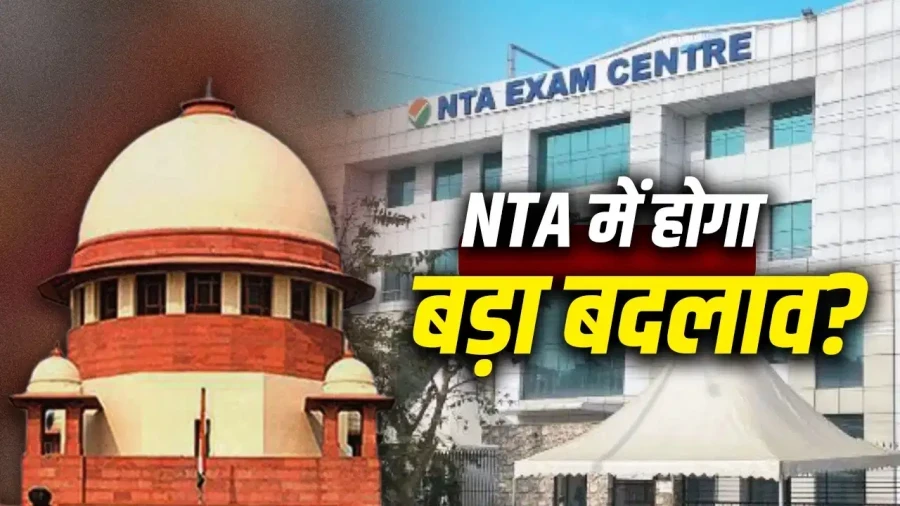
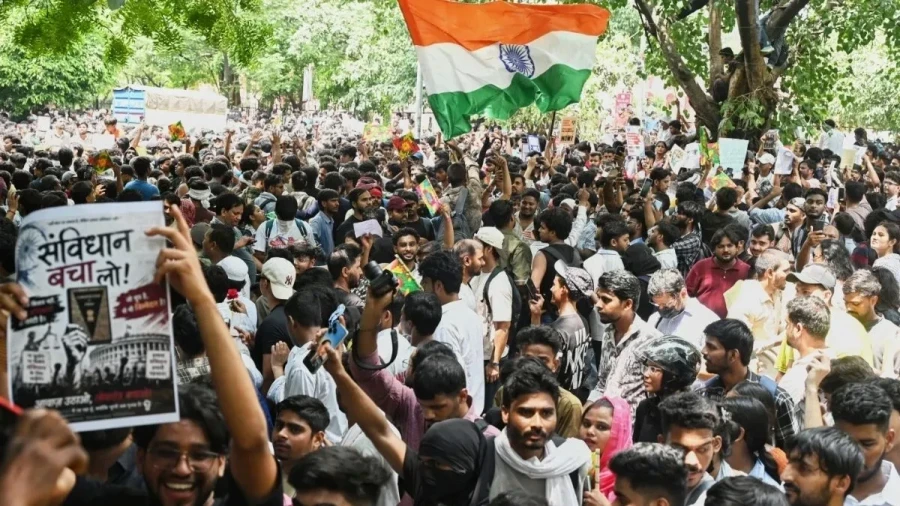
The Central Government, led by Prime Minister Narendra Modi, is taking a decisive step to address the growing concerns over examination integrity following the NEET paper leak controversy. Amidst intense protests in Delhi, sources indicate that a stringent new law is being formulated to curb paper leaks across the country. This legislative move aims to restore the trust of millions of students in the national examination system, while the proposed law is expected to introduce unprecedented penalties and a streamlined judicial process to ensure swift justice. The government is currently in action mode to tackle the menace of paper leaks that has affected various competitive exams.
Fast Track Courts and Three Month Deadline
According to sources familiar with the development, one of the most significant provisions of the new law is the mandatory timeline for judicial decisions. The law stipulates that cases related to paper leaks must be resolved within a period of 3 months. To facilitate this, the government plans to work with fast track courts that will focus exclusively on these matters. This 3 month window is designed to prevent long-drawn legal battles and ensure that those responsible for compromising the future of students are punished without delay. The fast track court system will be a cornerstone of this new legal framework, ensuring that the verdict is delivered within the stipulated 3 months.
Severe Penalties: 10 Year Jail and 10 Crore Fine
The proposed legislation isn't just about speed but also about severity, while sources reveal that the new law includes a provision for imprisonment of up to 10 years for those found guilty of involvement in paper leaks. This long-term incarceration is intended to act as a powerful deterrent against organized syndicates and individuals involved in such malpractices, while On top of that, the law introduces a massive financial penalty, with provisions for a fine of up to 10 crore rupees. This combination of a 10 year jail term and a 10 crore rupee fine reflects the government's zero-tolerance policy towards any activity that undermines the merit-based selection process.
PM Modi Midnight Announcement and Cabinet Discussion
The urgency of the situation was highlighted by Prime Minister Narendra Modi's midnight announcement, which signaled that a major action was imminent. Following this, the Prime Minister released a video message addressed to the students of the country. In this message, PM Modi emphasized that the Central Government is extremely serious about the issue of paper leaks. He stated that a law so strict would be created that it would specifically target the mechanics of paper leaks. The Prime Minister mentioned that the draft of this very tough law would be presented in the Cabinet meeting. Once the Cabinet grants its approval, the government aims to pass the bill in Parliament as early as next week. The PM's message made it clear that the new law would be exceptionally harsh to ensure no one dares to leak papers in the future.
Government Reaches Out to Protesters and Sonam Wangchuk
In a significant diplomatic move, the government reached out directly to the students protesting at Jantar Mantar in Delhi and to Sonam Wangchuk, who was on a hunger strike. Two senior ministers of the government, JP Nadda and Jitendra Singh, visited Sonam Wangchuk at Medanta Hospital after midnight. During this visit, the ministers provided assurances on behalf of the government, which led to Sonam Wangchuk ending his hunger strike. Sonam Wangchuk had been on a hunger strike since June 28. The government assured him that no action would be taken against students who were protesting peacefully. Also, the Central Government promised to seriously consider all the demands raised by Sonam Wangchuk. This outreach was seen as a move to calm the situation while the legislative process for the new law was being finalized during the ongoing Cabinet meeting.