
- India,
- 14-May-2026 12:17 AM IST



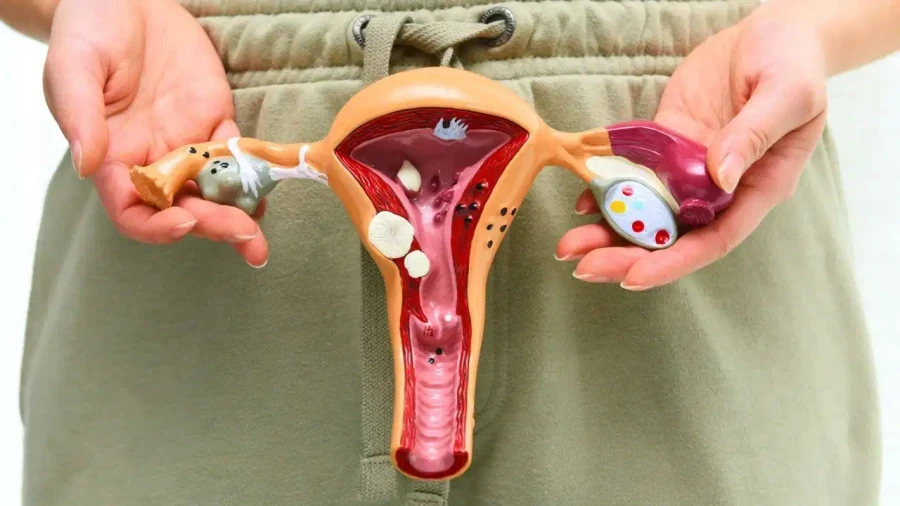
Polycystic Ovary Syndrome, commonly referred to as PCOS, has become a widespread hormonal health concern among women globally, while this condition doesn't merely affect the menstrual cycle but extends its impact to body weight, skin health, and overall reproductive capacity. At its core, PCOS involves a significant disruption in the body's hormonal equilibrium, which directly interferes with the regular process of ovulation, while when the hormonal balance is lost, the ovaries fail to release eggs consistently, leading to various physiological complications. Medical experts identify insulin resistance, increasing body weight, and a sedentary or poor lifestyle as the primary drivers behind the onset of this complex syndrome.
Symptoms and the Diverse Manifestation of PCOS
The way PCOS manifests can vary Importantly from one individual to another, presenting a wide spectrum of symptoms. For many women, the first signs are irregular or abnormal menstrual periods, which indicate that the reproductive system isn't functioning as it should. Other common symptoms include dermatological issues such as persistent acne on the face and hirsutism, which is the excessive growth of hair on the face and body due to elevated androgen levels. On top of that, a significant number of women experience substantial difficulty when trying to conceive, as the underlying hormonal issues prevent successful fertilization. In many cases, PCOS remains undiagnosed for a long time because the symptoms are either subtle or misunderstood, while if left untreated without proper medical diagnosis, it can severely impact long-term reproductive health, making it essential to understand the root causes and the link to infertility.
The Role of Insulin Resistance and Hormonal Imbalance
Dr. Saloni Chadha, an Associate Professor in the Department of Gynecology at RML Hospital, provides critical insights into the primary causes of PCOS, while according to Dr. Chadha, the most significant factors contributing to this condition are insulin resistance and hormonal imbalances. Insulin resistance occurs when the body's cells don't respond effectively to insulin, preventing the hormone from being utilized properly to regulate blood sugar. This failure leads to an increase in insulin levels within the bloodstream, while high levels of insulin have a direct and detrimental effect on the ovaries, often triggering them to produce excess amounts of male hormones, known as androgens. This hormonal shift is a fundamental aspect of PCOS, as it disrupts the delicate cycle required for healthy ovulation and menstruation.
Genetic Factors and Lifestyle Influences
Beyond insulin resistance, several other factors contribute to the risk of developing PCOS. Genetics play a significant role, as women with a family history of the condition are more likely to be diagnosed themselves, while On top of that, lifestyle factors such as rapid weight gain, high levels of psychological stress, and a lack of regular physical activity are known to exacerbate the symptoms and the severity of the syndrome. These factors combined further disrupt the ovulation process, leading to the irregular cycles that characterize the disorder. That's why, managing PCOS requires a comprehensive understanding of both the internal hormonal environment and the external lifestyle choices that influence a woman's health.
How PCOS Leads to Infertility Challenges
One of the most distressing consequences of PCOS is its role as a leading cause of infertility. The primary mechanism behind this is the irregularity or total absence of ovulation. For a successful pregnancy, an egg must be released from the ovary every month; however, in women with PCOS, this process is frequently interrupted or stopped entirely. When an egg isn't released at the correct time, the chances of natural conception are Importantly reduced. This is why many women diagnosed with PCOS find it challenging to conceive without medical assistance. However, it's important to emphasize that a diagnosis of PCOS doesn't mean a woman can't have children. With the right medical treatment, diligent weight management, and adherence to professional medical advice, many women are able to overcome these hurdles and achieve a safe and healthy pregnancy.
Effective Strategies for Controlling and Managing PCOS
Controlling PCOS requires a multi-pronged approach that focuses on lifestyle modifications and consistent medical care. Maintaining a balanced body weight is often cited as the most effective way to mitigate the symptoms of the syndrome, while incorporating regular physical exercise into a daily routine and following a nutritious, balanced diet are essential components of management. Specifically, reducing the consumption of sugary foods and highly processed items can help stabilize insulin levels and improve overall health. In addition to these lifestyle changes, it's crucial to undergo regular medical check-ups and follow the medication prescribed by healthcare professionals, while early intervention and a proactive approach to treatment can lead to a significant improvement in symptoms and enhance the chances of successful conception for those planning to start a family.