
- India,
- 15-Jun-2026 01:50 PM IST


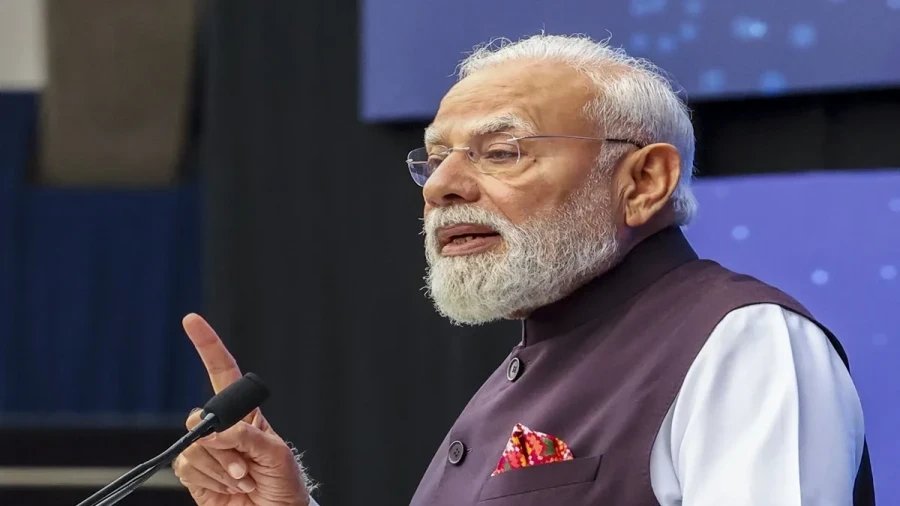
Prime Minister Narendra Modi has officially welcomed the peace agreement reached between the United States and Iran, marking a significant turning point in international relations and West Asian stability. The Prime Minister expressed his optimism regarding the resolution of the conflict, which has long been a source of global concern. This development suggests that the era of oil blockades and intense military posturing between the two nations is coming to an end, as both countries have formally moved toward a peace settlement. The announcement has been met with widespread attention as it promises to alleviate the economic pressures that have affected various nations across the globe.
White House Confirmation and PM Modi's Reaction
The confirmation of the peace agreement was signaled by the traditional sight of white smoke at the White House, a symbolic gesture indicating that a consensus has been reached and the peace treaty has been signed. Following this historic announcement, Prime Minister Narendra Modi took to his social media platform X to share his support, while he stated, "I welcome the agreement reached between the US and Iran to end the conflict in West Asia. " The Prime Minister's statement underscores the far-reaching impact of the US-Iran tensions on the global economy and the humanitarian cost of the prolonged dispute.
Hopes for Regional Stability and Trade
In his detailed response, Prime Minister Modi further expressed India's expectations for the future of the region. He noted that India hopes the implementation of this agreement will help restore peace and stability in the area, ensuring the freedom of movement and trade. " This highlights India's stance on the necessity of a permanent resolution to ensure that the region doesn't slip back into volatility. The reopening of trade routes is particularly crucial for international energy markets and maritime security.
Trump's Claims and the 14 Conditions
US President Donald Trump also confirmed the development through social media, declaring that a deal with Iran has been successfully reached. Simultaneously, Iran issued a statement confirming that after months of long and difficult negotiations, both nations have finalized a Memorandum of Understanding (MoU) for a ceasefire, while president Trump highlighted that the strategic Strait of Hormuz will be reopened, and he has approved the immediate removal of the US naval blockade on Iranian ports. It has been revealed that both the United States and Iran have agreed upon 14 specific conditions. The formal signing ceremony for the peace deal is scheduled to take place on June 19 in Geneva, Switzerland.
A Historic Milestone in Diplomacy
If the deal is signed in Geneva as planned, it will represent the first high-level meeting between Tehran and Washington in 47 years. This historic milestone reflects a major shift in the diplomatic landscape. However, the path to maintaining this peace requires specific actions, while iran's Deputy Foreign Minister, Kazem Gharibabadi, emphasized that for the peace agreement to remain sustainable, the United States must take three primary steps: the naval blockade must be completely ended, all military actions and warfare must cease, and Iran's frozen funds must be released. Iranian media reports suggest that final negotiations won't conclude until 12 billion dollars are released, oil sanctions are lifted, and the blockade is fully dismantled.