

- India,
- 10-Mar-2026 06:01 PM IST


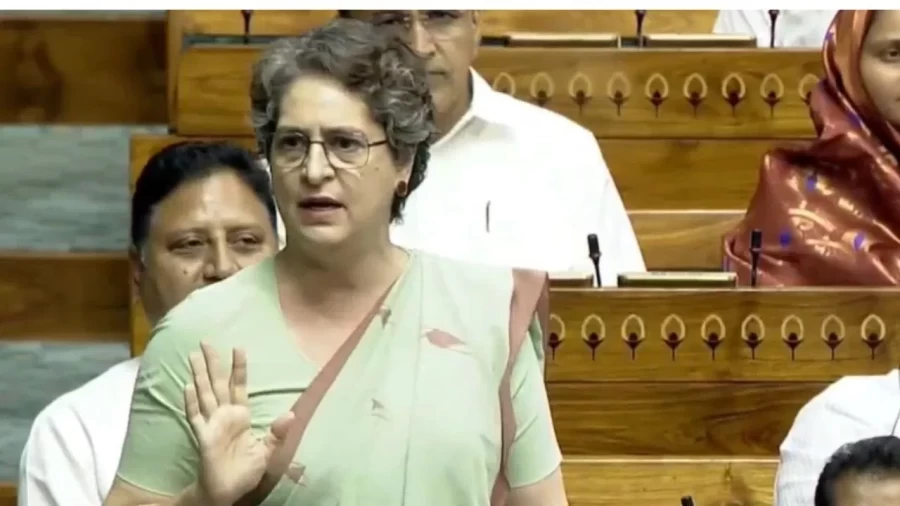
Priyanka Gandhi Vadra, the newly elected Member of Parliament from Wayanad and Congress General Secretary, delivered a forceful speech in the Lok Sabha, targeting the Modi-led central government. During the house proceedings, she stood as a shield for the Leader of the Opposition, Rahul Gandhi, portraying him as a courageous leader who speaks truth to power. Priyanka Gandhi raised critical questions regarding the government's economic and social policies, alleging that the administration frequently avoids discussions on pressing public issues by resorting to historical critiques and personal attacks.
Rahul Gandhi's Resistance and Government Scrutiny
According to Priyanka Gandhi Vadra, Rahul Gandhi is the only individual in the country who has not bowed before the current government over the last 12 years. She stated that he stands in the House and speaks the truth without hesitation, a fact that the ruling party finds difficult to digest. Priyanka alleged that the Bharatiya Janata Party (BJP) spent crores of rupees and orchestrated extensive social media campaigns to suppress his voice, yet failed to break his resolve. She contended that those in power are intimidated by the truths presented by Rahul Gandhi.
Economic Concerns and the LPG Crisis
In her address, Priyanka Gandhi highlighted the rising inflation and unemployment rates across the nation. She specifically pointed towards the shortage of commercial LPG cylinders and their escalating prices, which have caused significant distress among the public. According to Priyanka Gandhi, the Leader of the Opposition had previously warned the government about this impending energy crisis. She criticized the government for evading substantial debates on these basic necessities while focusing on less urgent matters during parliamentary sessions.
Allocation of National Assets and Industrialist Influence
Priyanka Gandhi leveled serious allegations against the government regarding the distribution of national assets. She claimed that the country's wealth is being handed over to a few select industrialists, and the government remains silent when questioned about these transactions in Parliament, while she further noted that the plight of farmers is worsening, and the lack of government accountability on these issues is leading toward a larger systemic crisis. According to her, the current economic trajectory favors corporate interests over the welfare of the common citizen.
Global Trade Deals and Geopolitical Risks
Speaking on foreign policy and international trade, Priyanka Gandhi warned of increasing challenges for the country. She alleged that the Modi government has succumbed to pressure in trade deals with the United States. Highlighting the ongoing global conflicts, she stated that the combination of unfavorable trade agreements and international instability poses a significant threat to India's future. She emphasized that the warnings previously issued by Rahul Gandhi regarding these economic and geopolitical risks are now manifesting as reality.
Critique of Parliamentary Discourse and Historical Focus
Priyanka Gandhi expressed dissatisfaction with the nature of debates within the Parliament. She observed that the government frequently invokes historical figures like Jawaharlal Nehru and Indira Gandhi or discusses symbolic themes to distract from current failures. She argued that instead of constant criticism of past leaders, the government should address contemporary issues such as the trade deficit and job losses, while priyanka concluded that the truths spoken by Rahul Gandhi are being validated by current events, urging the government to focus on the immediate needs of the people.
