
- India,
- 16-Aug-2026 04:02 PM IST



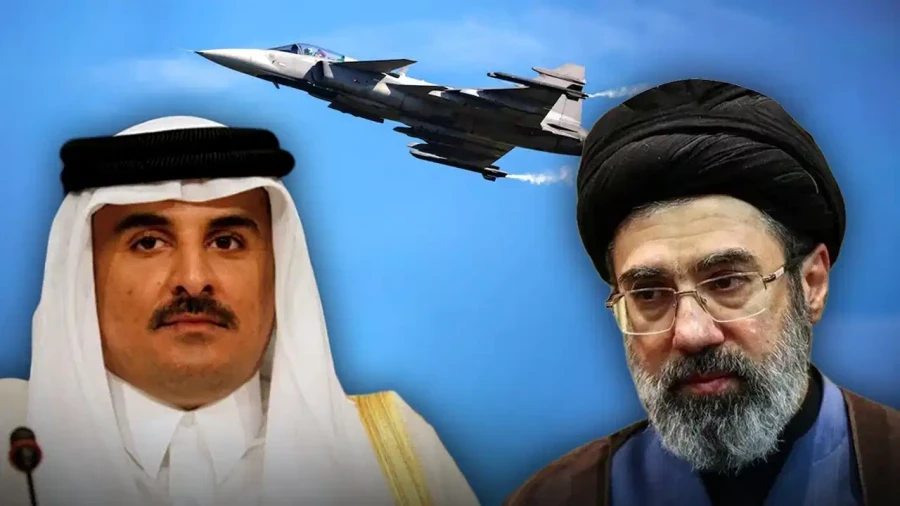
The diplomatic landscape in the Middle East has witnessed a fresh surge of tension as Qatar and Iran present conflicting accounts regarding the fate of three Iranian pilots, while iran has formally alleged that Qatar is holding three of its military pilots in custody, claiming they were apprehended alive during a combat mission. However, the Qatari government has moved swiftly to categorically deny these assertions, providing a starkly different narrative of the events that occurred within its sovereign airspace.
The Iranian Allegation and the March 2026 Mission
The controversy stems from a report released by the Iranian state news agency, IRNA, which cited a high-ranking military official. According to the Iranian account, the incident is linked to a specific military operation that took place in March 2026. Tehran claims that Iranian fighter jets were dispatched to conduct a strike against a military base located on Qatari soil. During the course of this mission, the aircraft reportedly encountered heavy defensive fire, resulting in significant damage to the jets. The Iranian military maintains that three pilots were forced to eject from their failing aircraft using parachutes. Iran further asserts that upon reaching the ground, all three pilots were captured alive by Qatari military forces and have since been held in detention.
Qatar Counter-Claims and Airspace Violations
In response to these serious allegations, Qatar has issued a comprehensive rebuttal. A spokesperson for the Qatari Ministry of Foreign Affairs addressed the situation through a statement on the social media platform X. According to the Qatari version of events, Iranian pilots did indeed violate Qatari airspace in March, but the outcome described by Doha contradicts Tehran's claims of live capture, while qatar states that after the unauthorized entry into their airspace, search and rescue teams were deployed to the area. These teams reportedly recovered the body of one pilot who was found deceased, while qatar maintains that there is no evidence or record of three pilots being held alive in their custody.
Communication Breakdown and the Role of the ICRC
A significant point of contention raised by Qatar involves the lack of communication from the Iranian side. The Qatari spokesperson revealed that when the airspace violation occurred, Qatari authorities attempted to establish contact with Iran, but these attempts were met with silence. Plus, Qatar claims to have reached out to Tehran regarding the recovery of the deceased pilot's body and extended an invitation to Iranian officials to review the details of the search and rescue operation. According to Doha, Tehran has yet to provide a formal response to these invitations or the information shared regarding the deceased pilot, while in an effort to secure the release of what it believes are three living detainees, the General Staff of the Iranian Armed Forces has taken the step of writing a formal letter to the International Committee of the Red Cross (ICRC). In this communication, Iran has requested international assistance and intervention to facilitate the return of the pilots.
Context of the Broader Conflict
This specific incident is framed within the context of a much larger and more complex regional conflict. According to the Iranian narrative, the mission in March 2026 was a component of a wider war that was ignited on February 28. This conflict reportedly began when the United States and Israel launched military strikes against Iran. The mission to target the base in Qatar was described by Iranian officials as a response within this broader theater of war. As both nations stand by their respective versions of the events, the status of the pilots remains a point of intense international scrutiny, with the involvement of the ICRC marking a significant escalation in the diplomatic efforts to resolve the dispute.