
- India,
- 11-Jun-2026 05:55 PM IST



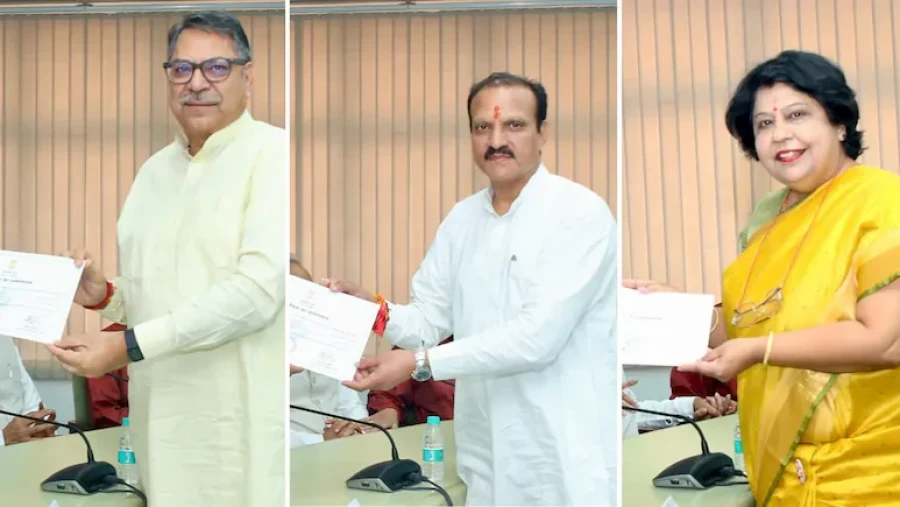
In a significant political development in Rajasthan, the results for the Rajya Sabha elections have been finalized ahead of the scheduled polling date, while satish Poonia, Alka Gurjar, and Neeraj Dangi have been officially declared elected unopposed to the Upper House of Parliament from the state. This outcome follows the completion of the nomination process where only three candidates filed their papers for the three vacant seats available in the state, while since the number of candidates matched the number of vacancies, the necessity for a formal voting process was eliminated, leading to their uncontested victory.
The Election Process and Unopposed Victory
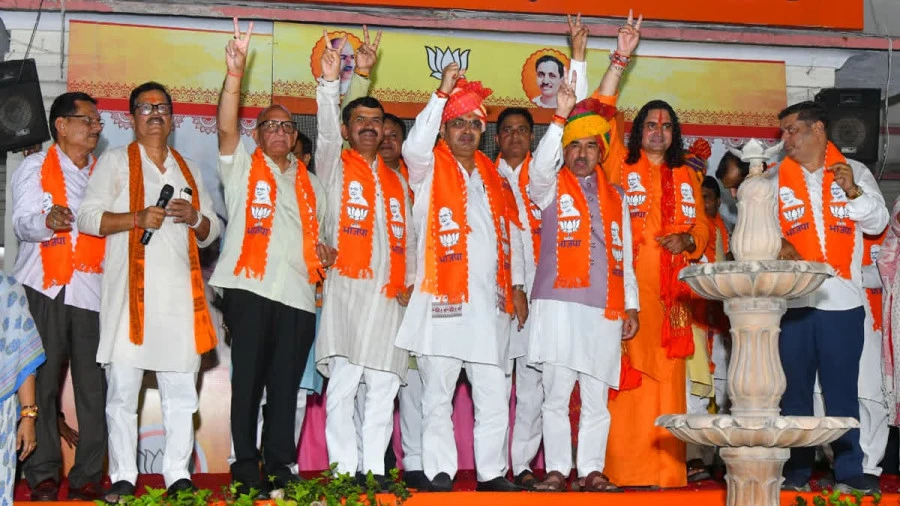
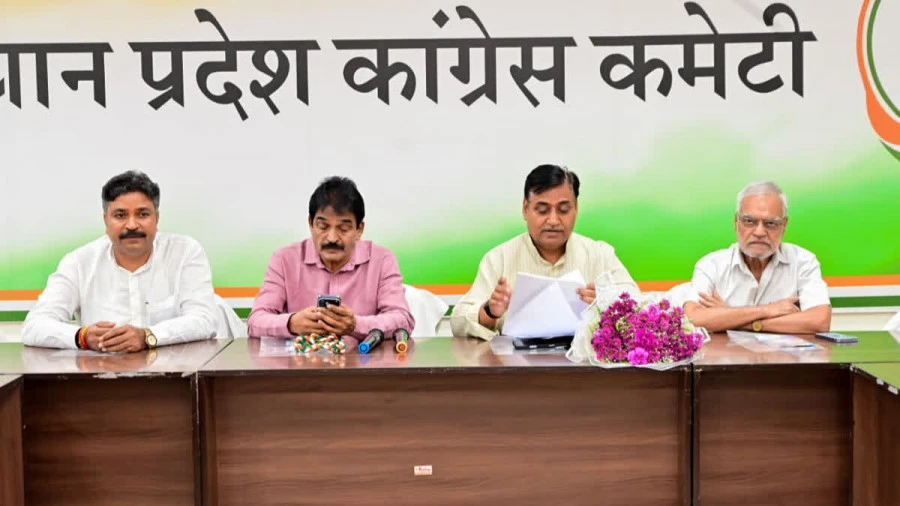
The Rajya Sabha elections for the three seats in Rajasthan were originally scheduled to involve a voting process on June 18. However, the political landscape became clear once the nomination period concluded. The Bharatiya Janata Party (BJP) fielded two prominent leaders, Dr. Satish Poonia and Dr. Alka Gurjar, as their candidates. On the other hand, the Indian National Congress decided to re-nominate Neeraj Dangi for the third seat, while with no other candidates entering the fray, the electoral math made it evident that all three individuals possessed the requisite support from the state assembly members.
Official Declaration and Certification
The formal announcement of the results was made at the Rajasthan Legislative Assembly. Bharat Bhushan Sharma, the Returning Officer for the Rajya Sabha elections, officially declared the candidates as elected, while following the declaration, the election certificates were handed over to Dr. Satish Poonia, Dr. Alka Gurjar, and Neeraj Dangi. This certification marks the official commencement of their roles as representatives of Rajasthan in the Rajya Sabha. The process was conducted smoothly, adhering to the constitutional and electoral guidelines governing the selection of members for the Upper House.
Understanding the Assembly Mathematics
The election to the Rajya Sabha is determined by the strength of various political parties within the State Legislative Assembly. Rajasthan has a total of 200 assembly seats. To secure a seat in the Rajya Sabha from the state, a candidate requires a specific number of votes, often referred to as the magic number. In this particular election cycle, the magic number required for a single candidate to be elected was 51 votes. The distribution of seats in the Rajasthan Assembly played a decisive role in the unopposed election of these three candidates.
Currently, the Bharatiya Janata Party holds a strong majority in the house with 118 seats. This numerical strength comfortably allowed the BJP to secure two Rajya Sabha seats, as they surpassed the required 102 votes for two candidates. The Indian National Congress holds 66 seats in the assembly, which is more than the 51 votes needed to secure one seat. On top of that, there are 16 seats held by other parties and independent members. Given this distribution, the BJP had the numbers for two seats and the Congress had the numbers for one seat, ensuring that the three candidates from these parties could be elected without the need for a contested vote.