

- India,
- 18-Oct-2025 08:02 PM IST


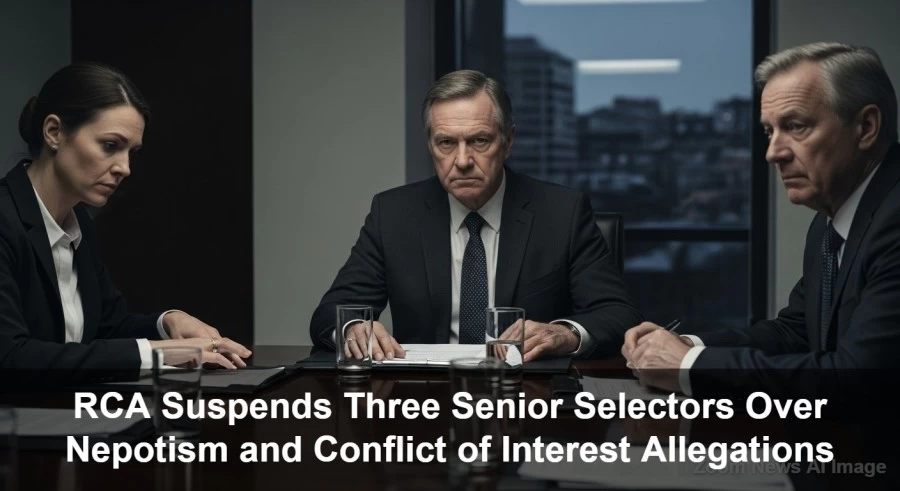
The Rajasthan Cricket Association (RCA) has taken a significant step regarding its selection process. Ad-hoc Committee Convener Deen Dayal Kumawat has suspended three members of the senior selection committee – Vilas Joshi, Kuldeep Singh, and Vijendra Yadav – following complaints of misconduct and conflict of interest. This swift action has led to the formation of a new selection committee.
Allegations Against Selectors
Complaints from RCA mentor Pankaj Singh and Rajasthan's junior selectors highlighted specific issues. Kuldeep Singh was accused of consistently pressuring for his son's inclusion in teams despite poor performance. Vilas Joshi faced allegations of absenteeism during matches and neglecting his responsibilities as a selector, while the third member, Vijendra Yadav, was accused of pressuring staff and management to secure a tender for his son's cricket dress manufacturing company to supply kits to RCA teams.
Ad-hoc Committee's Firm Stance
Deen Dayal Kumawat, Convener of the RCA Ad-hoc Committee, stated that clear guidelines were established during the formation of selection committees. These rules explicitly prohibited selectors from lobbying for their relatives, engaging in. Irregularities in the selection process, or involving themselves in any commercial interests. The current suspensions of Vilas Joshi, Kuldeep Singh, and Vijendra Yadav. Are a direct consequence of their violation of these stringent rules.
New Selection Committee Formed
Following the suspension of the three selectors, the Ad-hoc Committee promptly constituted a new senior selection committee. Rahul Kanwat has been appointed as the Chairman, with Suryaveer Singh, Shamsher Singh, Anil Parmar, and Zakir Hussain joining as members. This move aims to restore integrity and transparency to the selection process.
Prior Controversy
It's worth noting that some selectors had previously raised concerns about the functioning of the Rajasthan Cricket Association's Ad-hoc Committee and alleged irregularities in the selection process. These previous complaints had fueled expectations of action against certain selectors, and the current suspensions align with those anticipations, although only three of the four initially questioned selectors have been acted upon.
