
- India,
- 26-May-2026 08:46 PM IST



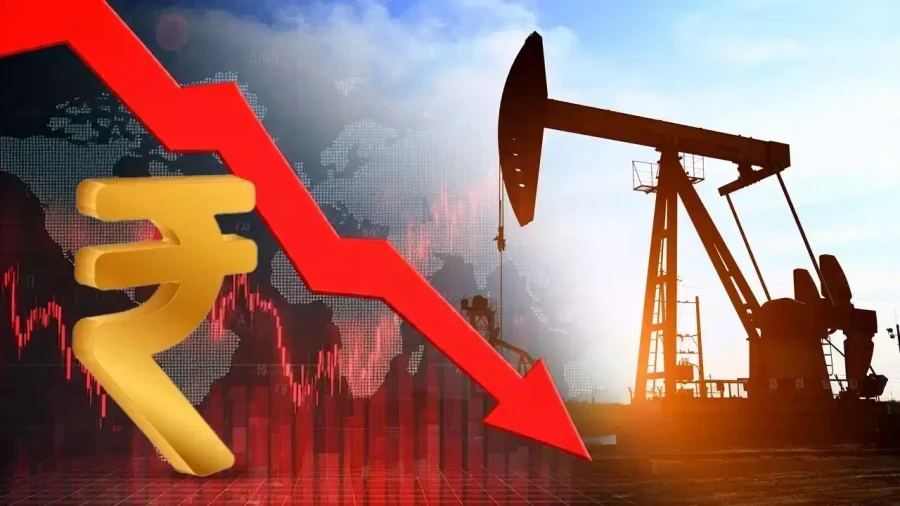
The Indian Rupee's recent momentum was abruptly halted on Tuesday as rising international crude oil prices and heightened geopolitical tensions weighed heavily on the domestic currency. After enjoying a three-day winning streak, the rupee succumbed to pressure, losing 47 paise against the US Dollar. Market analysts point to a combination of factors, including the surge in energy costs and a solid dollar index, as the primary drivers behind this sharp depreciation. Despite some fluctuations in the global currency markets, the rupee struggled to maintain its ground, reflecting the broader volatility currently affecting emerging market currencies.
Detailed Performance in the Currency Market
43 against the US Dollar at the interbank foreign exchange. 76.73, marking a substantial decline of 47 paise from its previous close. 26. That previous gain was largely supported by the Reserve Bank of India (RBI) selling dollars, which helped maintain strong demand for the rupee at higher levels.
Impact of Crude Oil and Geopolitical Tensions
The primary catalyst for the rupee's decline was the sharp uptick in global oil prices. 94 USD per barrel in futures trade. This surge followed reports of new military actions by the United States against Iran. These developments have cast a shadow over the prospects of any immediate deal to reopen the strategically vital Strait of Hormuz, a key transit point for global oil supplies. Forex traders noted that the rupee remains particularly vulnerable to such spikes in energy costs, given India's heavy reliance on oil imports, which increases the demand for dollars and puts downward pressure on the local currency.
Expert Insights and Market Outlook
Anuj Choudhary, a Research Analyst at Mirae Asset Sharekhan, provided insights into the current market dynamics. He noted that the rupee is expected to trade with a negative bias due to the ongoing uncertainty between the US and Iran, coupled with concerns over military actions in the Middle East. However, he also suggested that any potential softening of crude oil prices from their current high levels could provide some support to the rupee at lower levels. 85 in the near term. The strength of the US currency in the overseas market continues to be a significant factor that traders are watching closely.
Domestic Equity Markets and FII Activity
The weakness in the currency was mirrored in the domestic equity markets, which also faced a downward trend. 70. This synchronized fall in both the currency and stock markets highlights the cautious sentiment among investors, while 75 crore rupees. Despite this inflow, the broader market pressure remained dominant on Tuesday as global cues took center stage.
Global Context and Political Developments
05. While this might typically provide some relief to emerging market currencies, the overwhelming impact of rising oil prices negated any potential benefit for the rupee. Meanwhile, political developments continue to influence market sentiment. US President Donald Trump mentioned on Monday that negotiations with Iran to end the conflict were progressing well, while however, officials have cautioned that a final resolution may take time, citing the complex communication networks used by Tehran to consult with its Supreme Leader. This ongoing diplomatic and military uncertainty remains a key variable for currency traders worldwide.