
- India,
- 20-Jul-2026 08:33 AM IST



The global energy market is witnessing a significant surge in volatility as tensions between the United States and Iran escalate in the Middle East. On Monday, crude oil prices saw a sharp increase of 3 percent, driven by intensified military actions and threats to shipping routes. Brent crude, the international benchmark for oil prices, successfully breached the 90 dollars per barrel mark, signaling a potential period of high energy costs for the global economy. 79 dollars per barrel. This represents the highest price level recorded since June 11.9 percent increase observed last week, which was the largest weekly gain since April.
Escalating Conflict and Shipping Disruptions
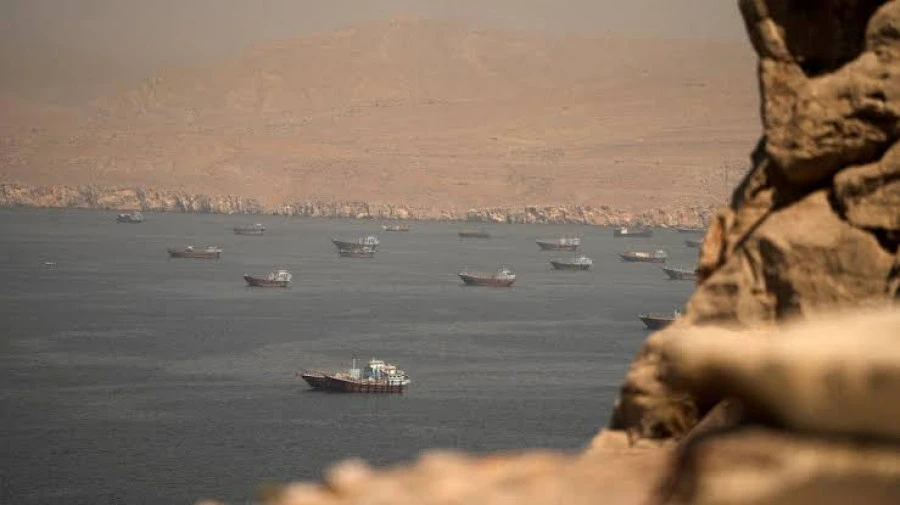
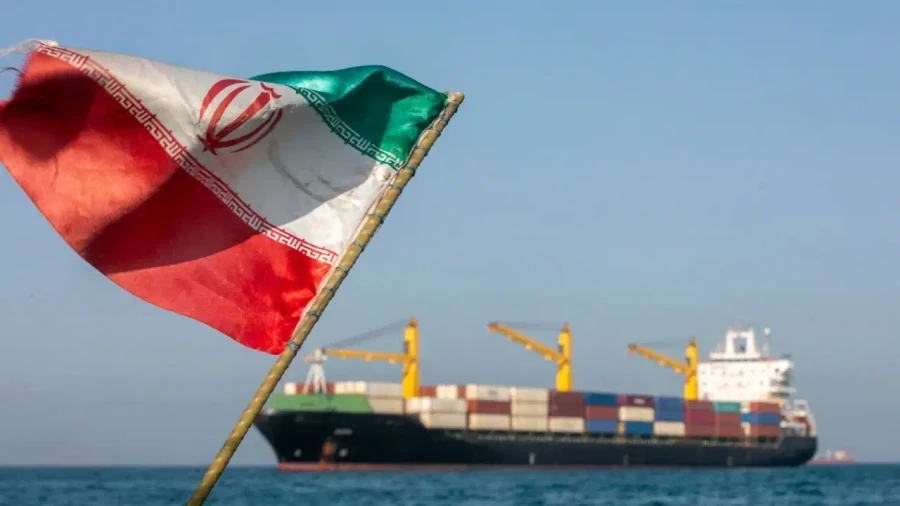
The conflict between Iran and the United States has entered a more aggressive phase, with neither side showing a willingness to concede to the other's demands. This geopolitical standoff has directly impacted the Strait of Hormuz, a critical maritime chokepoint through which approximately one-fifth of the world's total oil trade passes. The United States has declared that it's enforcing a naval blockade on Iranian ports. In response, Iran has stated that it will target any vessels that violate its regulations while transiting through the Strait of Hormuz. The situation on the ground remains dire, with the United States conducting strikes against Iranian targets for the ninth consecutive night over the weekend. Meanwhile, US allies Kuwait and Bahrain have reported further attacks from the Iranian side.
Impact on Global Oil Supply and Inventories
The maritime security situation has become increasingly precarious. The United Kingdom Maritime Trade Operations agency reported a fire on a vessel northwest of Kumzar, Oman, early Monday morning. Data from LSEG indicates a significant slowdown in maritime traffic through the Strait of Hormuz; only four ships made the passage on Sunday, compared to eight ships on the previous day. Despite the risks, at least three oil product tankers and one Very Large Crude Carrier (VLCC) have entered the strait since Friday to load oil. Amarpreet Singh, an analyst at Barclays, noted that the market might be underestimating the impact on inventories. Current global oil stocks are at their lowest levels in five years, making the market highly sensitive to any supply disruptions caused by the ongoing blockade.
US Benchmark and Market Outlook
68 dollars per barrel. This is the highest level for WTI since June 12.5 percent, marking the most significant weekly increase since early March. Experts suggest that crude oil prices are likely to remain volatile in the coming days as the international community monitors the dual blockade situation. The persistent rise in oil prices is expected to contribute to higher global inflation figures, as energy costs impact various sectors of the economy.
Domestic Fuel Prices in India
Despite the dramatic fluctuations in the international market, petrol and diesel prices in India have remained unchanged for the past 55 days. 71 rupees per liter. 20 rupees per liter. 83 rupees per liter. Other major cities like Bengaluru, Hyderabad, and Kolkata also see petrol prices exceeding 110 rupees per liter. 82 rupees per liter.