
- India,
- 21-Sep-2026 12:28 PM IST



1 percent. This downturn comes at a time when the country is embroiled in geopolitical tensions and facing stringent international sanctions. According to official data released by the Iranian government, the period between the end of March and the end of June saw a sharp decline in economic output compared to the same period in the previous year. This timeframe corresponds to the first quarter of the Persian calendar, during which Iran was actively involved in conflicts involving the United States and Israel.
Inflation Comparison with India
9 percent. 9 percent for the year 2026. When compared to India's economic indicators, the disparity is stark. 45 percent in July. 3 times higher than that of India, highlighting the extreme cost-of-living crisis facing the Iranian population.
Oil Export Collapse and Sanctions
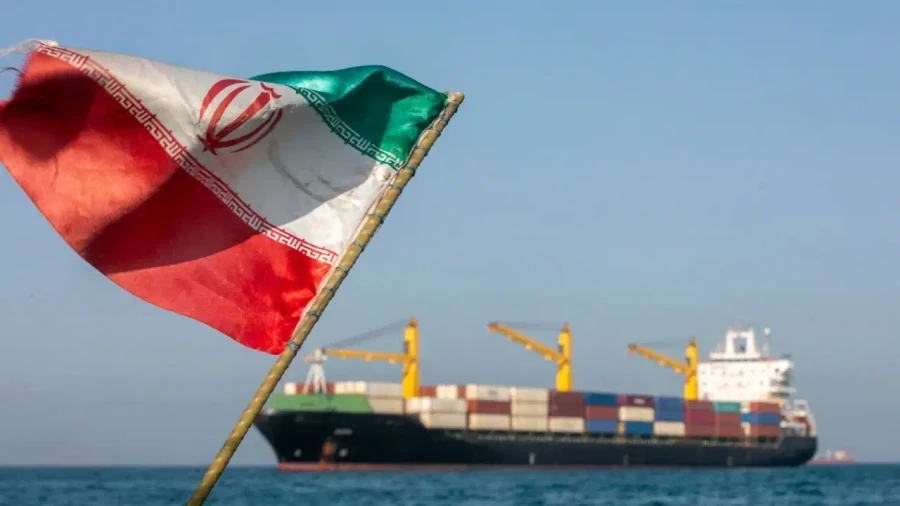
Iran's economy is heavily dependent on the export of oil and gas, sectors that have been severely impacted by the ongoing conflict and renewed US sanctions. During the war, maritime traffic in the Strait of Hormuz has Notably decreased, further choking Iran's primary trade route. The United States has reimposed a blockade on Iranian oil exports, leading to a dramatic drop in volumes. 55 lakh barrels per day by August. This massive reduction has made it increasingly difficult for the country to generate foreign exchange reserves, while mohammad Bagher Ghalibaf, the Speaker of the Iranian Parliament and a chief negotiator, previously noted that during past blockades, Iran was at times unable to export even a single barrel of oil.
Currency Devaluation and Consumer Impact
The devaluation of the Iranian Rial has further exacerbated the economic situation. In early September, the price of 1 US Dollar in the open market surged to over 22 lakh Rials, a staggering increase from approximately 10 lakh Rials just a year ago. This weakening of the currency has led to a surge in the prices of essential goods. In August, consumer prices rose by more than 84 percent compared to the previous year, with food and beverage prices seeing even higher increases. 4 percent decline in Iran's real GDP for the year 2026, suggesting that the economic contraction is likely to continue.
Industrial Pressure and Production Risks
The industrial sector in Iran is also under immense pressure due to the war and raw material shortages. 9 in August, where any value below 50 indicates a contraction in economic activity. 5 in July. The Iranian Chamber has warned that if the current situation persists, the depletion of raw materials and finished goods inventories could lead to a significant reduction in production capacity. Some factories are already facing the risk of slowing down their production lines or shutting them down entirely. To stabilize the economy and control the inflation that has reached nearly 69 percent, experts suggest that Iran must find a way to end the conflict and address the raw material shortages threatening its industrial base.