
- India,
- 20-Sep-2026 01:01 PM IST



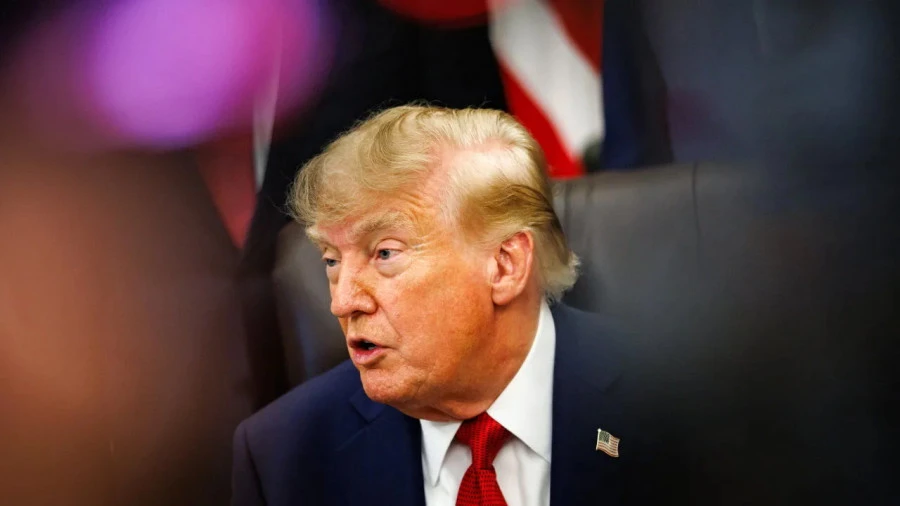
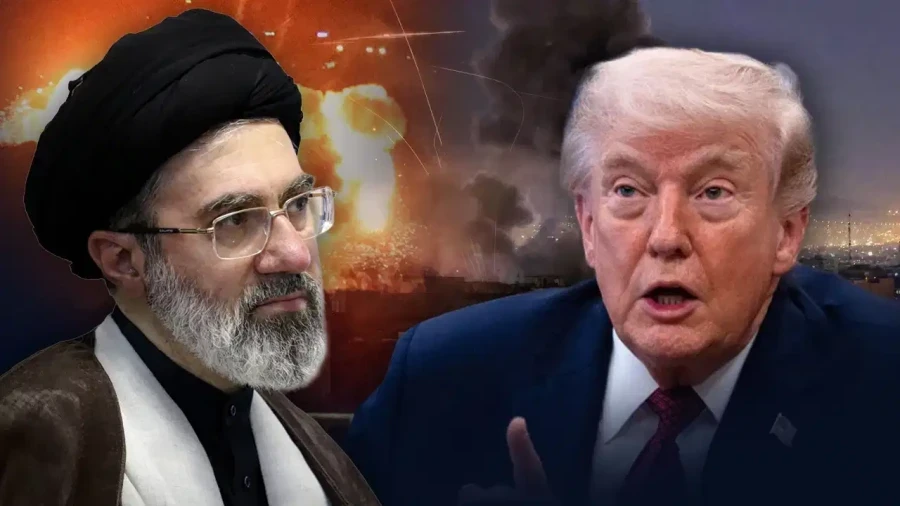
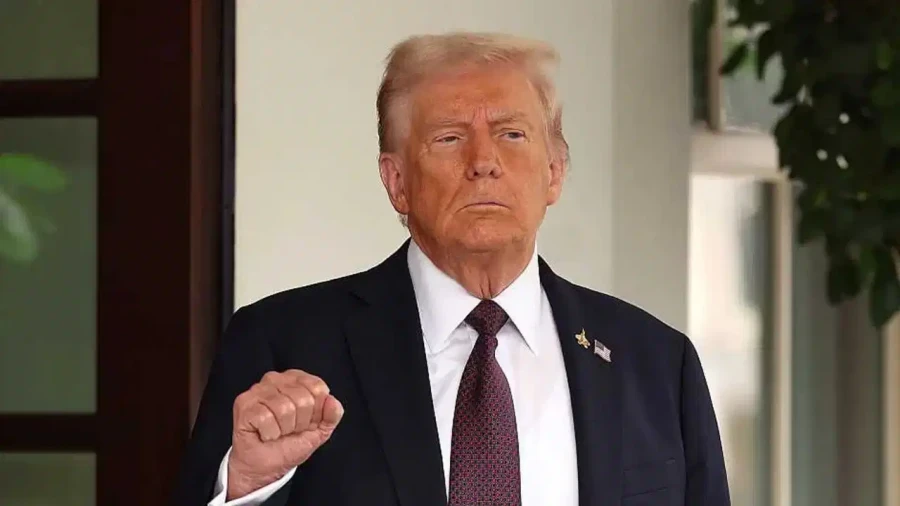
The geopolitical landscape in West Asia has taken a dramatic and potentially dangerous turn as the conflict between the United States and Iran enters a critical phase. In a series of rapidly unfolding events, Iran has presented a set of seven stringent conditions to the United States as a prerequisite for any diplomatic engagement. Accompanying these demands is a stark ultimatum: if Washington fails to comply, Tehran is prepared for what it describes as a decisive war. This escalation prompted United States President Donald Trump to abruptly end his weekend retreat at Camp David and return to the White House on Saturday evening. The President's early return, following only a brief stay, has intensified global concerns regarding a possible military confrontation in the region.
Iran Outlines Seven Conditions for Peace
The Secretary of Iran's Supreme National Security Council, Mohsen Rezaei, provided insights into the current diplomatic standoff during a recent interview. Rezaei confirmed that Tehran is maintaining active communication with Qatar, which is serving as the primary mediator between the two nations. According to Rezaei, Iran's specific conditions for de-escalation and the cessation of hostilities have been formally transmitted to Washington via Qatari officials, while the Iranian leadership is now awaiting a formal response from President Trump. Among the seven conditions mentioned, Rezaei highlighted three critical demands: the immediate termination of the war across all active fronts, the unconditional release of all Iranian financial assets currently frozen by the United States, and the complete lifting of the US naval blockade. Rezaei asserted that it's in the strategic interest of the United States to accept these terms, warning that military threats from the Trump administration would be futile as Iran is fully prepared for a decisive conflict.
United States Issues Comprehensive Security Alert
In direct response to the heightened rhetoric and potential threats from Iran and its regional proxies, the United States has issued an extensive high-security alert for its diplomatic missions and citizens throughout West Asia. The State Department has identified several countries where American citizens must exercise extreme vigilance, including Iraq, Bahrain, Oman, Saudi Arabia, Iran, Qatar, Lebanon, Kuwait, and Jordan. The alert specifically mentions the activities of Iran-backed Houthi rebels, who have recently launched hostile operations against Saudi Arabia, including attacks targeting civilian airports. The US government warned that the military conflict in the region could escalate with little to no notice, while Also, the alert noted that American diplomatic facilities, businesses, and other institutions, both within and outside the Middle East, could be targeted by Iran or pro-Iranian groups seeking to strike at US interests globally.
Military Movements and Regional Interceptions
The situation on the ground is further complicated by reports of significant military movements. Russia Today has reported that a United States strategic bomber has departed from an airbase in the United Kingdom, destined for the West Asian theater, while simultaneously, Iran's Press TV has documented increased air defense activity in the vicinity of the Kharab al-Jir airport, located in the Al-Hasakah region of northeastern Syria. These military maneuvers coincide with a sharp increase in hostilities between Saudi Arabia and Houthi rebels, while saudi military forces recently reported the successful interception of ballistic missiles launched by the Houthis toward the capital city of Riyadh. While the Houthi rebels claimed to have targeted sensitive and strategic locations, they didn't provide specific details regarding their intended targets. In a stern response to these provocations, Saudi Crown Prince Mohammed bin Salman stated that the only factor preventing a full-scale Saudi takeover of Yemen and the total elimination of the Houthi movement is the concern for the lives of innocent Yemeni civilians. He suggested that without this humanitarian consideration, the conflict could be resolved in as little as one week.
Global Implications and the United Nations
These escalating tensions are unfolding against the backdrop of the United Nations General Assembly in New York, where world leaders are convening to discuss global security, while the ongoing conflict in West Asia is expected to be a central theme of the assembly's deliberations. President Trump has previously suggested that Iran might be looking to negotiate a deal, yet he has simultaneously emphasized that the United States is keeping all military options on the table. As the international community watches closely, the potential for a significant shift in the regional power dynamic remains high, with the actions of both Washington and Tehran in the coming days likely to determine the future of the conflict.