
- India,
- 07-Sep-2026 08:38 AM IST



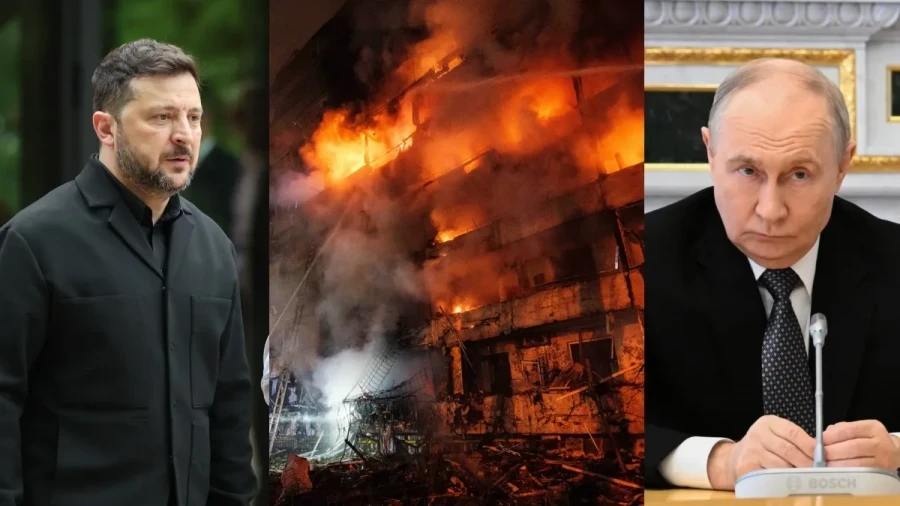
The conflict between Russia and Ukraine has witnessed a complex escalation of military action alongside intense diplomatic maneuvering. Despite a temporary understanding to halt aerial strikes on the respective capitals of Moscow and Kyiv, Russia continued its extensive aerial campaign across other parts of Ukraine, while over the last 24 hours, Russian forces launched a massive wave of 108 drones targeting various regions. This latest offensive has resulted in a tragic toll, with at least 8 people reported dead and 69 others sustaining injuries. The Ukrainian Air Force reported that their air defense systems were actively engaged throughout the night, successfully intercepting 82 of the 108 drones launched by Russia. Also, the defense forces managed to neutralize 6 S 8000 Banderol missiles during the operation.
Impact of the Aerial Offensive
The scale of the Russian strikes was significant, with missiles and drones successfully hitting 11 different locations across Ukraine. The interception of these aerial threats also led to consequences on the ground, as debris from the neutralized targets fell in 7 separate locations, causing further damage and concern for civilian safety. While the city of Kyiv itself remained free from direct strikes during the night due to the temporary pause, the surrounding Kyiv Oblast and other regions weren't spared. This highlights the limited nature of the current arrangement, which focuses specifically on the capital cities while the broader war continues to rage with lethal intensity in other provinces.
Trump Envoys and the Moscow Meeting
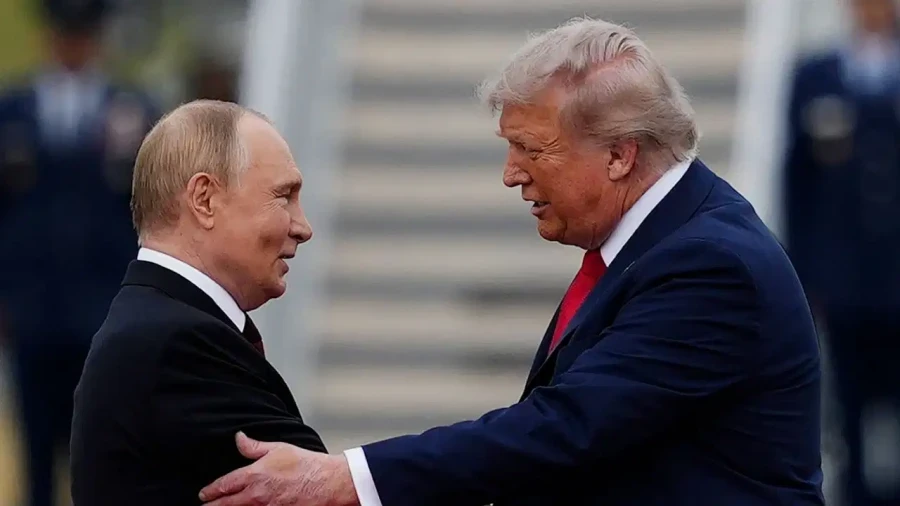
These military developments coincide with a surge in diplomatic activity led by the United States. President-elect Donald Trump's special envoys, Steve Witkoff and Jared Kushner, arrived in Kyiv on Sunday to hold critical discussions with Ukrainian officials. Their arrival in the Ukrainian capital follows a significant diplomatic stop in Moscow, where they engaged in a marathon meeting with Russian President Vladimir Putin. The discussion in Moscow lasted for more than 3 hours, signaling a deep dive into the potential pathways for ending the protracted conflict. While no immediate breakthrough was announced following the Moscow talks, a White House official indicated that the discussions were focused on developing concrete plans for the next steps, which are expected to be unveiled in the coming weeks.
The Temporary Pause and Ceasefire Proposals
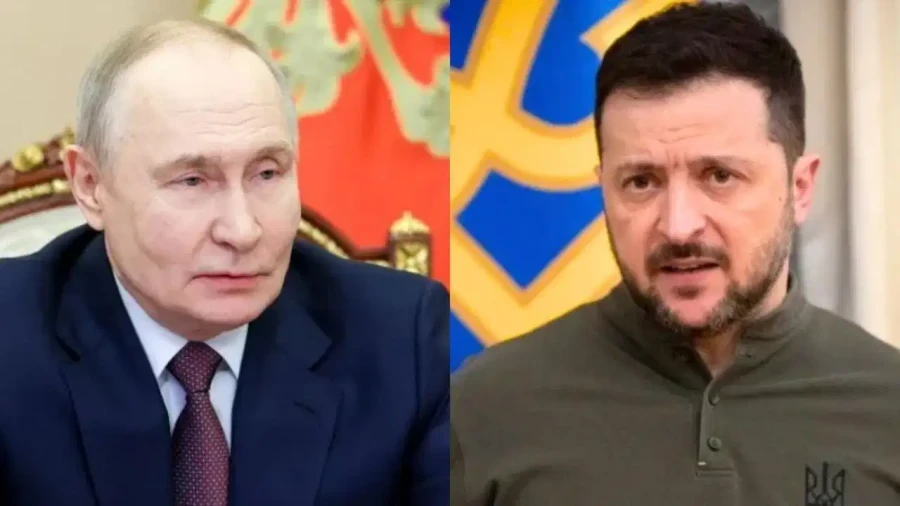
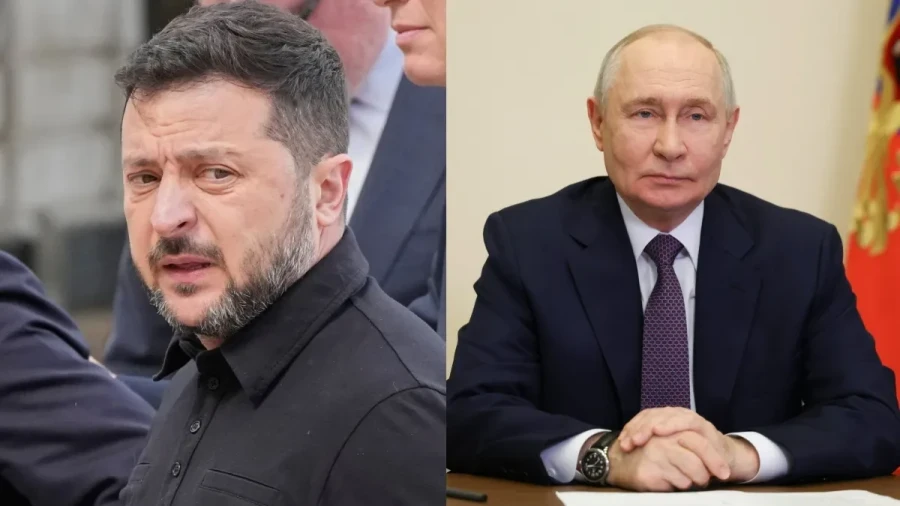
The diplomatic efforts have led to a fragile and temporary arrangement regarding strikes on capital cities. Kremlin spokesperson Dmitry Peskov confirmed that the Russian military would refrain from attacking Kyiv for a period of 3 days, starting from midnight. In a reciprocal gesture, Ukrainian President Volodymyr Zelenskyy stated that Ukraine is prepared to halt attacks on Moscow until the end of September 7. However, the scope of this pause remains narrow. President Zelenskyy had also proposed a broader 3-day cessation of hostilities that would cover the front lines of the conflict. This proposal was aimed at providing a more comprehensive window for peace talks. However, Vladimir Putin stated that Russia didn't agree to this broader front-line proposal, which explains why military operations and strikes in other parts of Ukraine have continued unabated.
Zelenskyy Demands Security Guarantees
As the US envoys prepared for their meetings in Kyiv, President Zelenskyy convened his negotiating team to refine Ukraine's position. He emphasized that while Ukraine is eager to bring an end to the war, any settlement must be based on a foundation of dignity and long-term security. Zelenskyy explicitly demanded strong security guarantees to ensure that any peace achieved is sustainable and that Ukraine is protected from future aggression, while he noted that Ukraine has already prepared its own set of proposals for the negotiations, signaling a readiness for substantive and realistic dialogue. The Kremlin's aide, Yuri Ushakov, described the earlier talks in Moscow as substantive, constructive, and very clear, though Putin maintained that Russia expects its objectives to be met and that the root causes of the conflict must be addressed. The ongoing strikes by Russia, despite the capital-specific pause, underscore the challenges facing the diplomatic mission as Washington seeks to broker a larger agreement.