
- India,
- 24-Aug-2026 01:43 PM IST



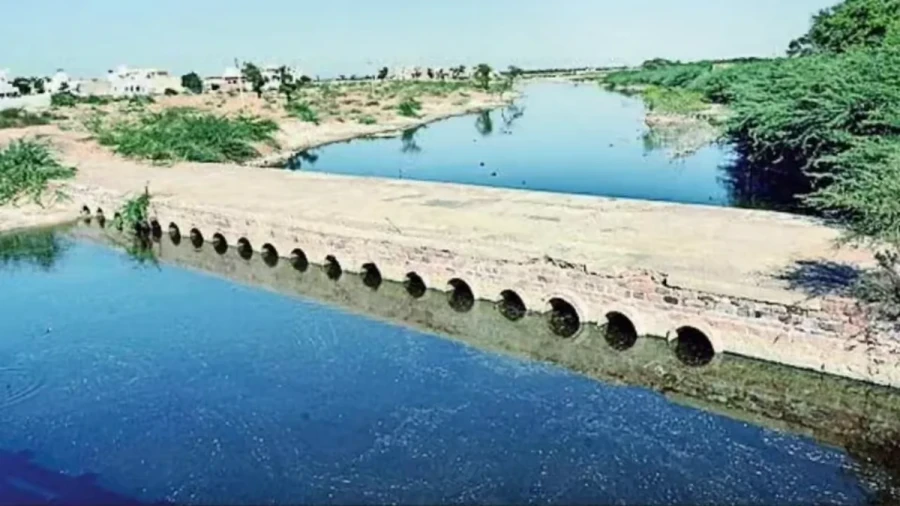
The Supreme Court of India has taken a significant step towards environmental conservation by imposing a strict ban on any construction or development activities within a 100-meter radius of the Jojari River in Rajasthan. This decision comes as a response to the alarming levels of pollution affecting the river's ecosystem. A bench comprising Justice Vikram Nath and Justice Sandeep Mehta expressed deep concern over the deteriorating condition of the river and emphasized the need for immediate protective measures to prevent further ecological degradation.
Interim Protection and Ecological Buffer Zones
During the proceedings, the Supreme Court bench highlighted the necessity of creating an interim protection zone to safeguard the river's ecosystem. " This 100-meter restriction is intended to prevent further encroachment and degradation while scientific assessments are underway to define the permanent boundaries of the river's buffer zone.
Background of the Case and Industrial Pollution
The legal intervention began when the Supreme Court took suo motu cognizance of the industrial pollution in the Jojari River in September 2025. The primary concern brought before the court involves the discharge of untreated or inadequately treated waste from industrial units, which has had a devastating impact on the river and the health of the people living in the surrounding areas. The court has been questioning the Rajasthan government and relevant agencies regarding their failure to control this environmental hazard and the lack of effective monitoring of industrial effluents.
Strict Directives on Water Discharge
Earlier, on August 4, the court had issued a clear and uncompromising directive stating that not even a single drop of treated water should be allowed to enter the Jojari River. The bench has also stressed the importance of removing encroachments along the riverbanks and conducting a thorough marking and identification of river territories to prevent future violations. The court's stance reflects a zero-tolerance policy towards any activity that compromises the river's purity and natural flow, emphasizing that the current state of the river requires urgent and drastic measures.
Findings of the Expert Committee
An expert committee constituted by the Supreme Court has already submitted its findings regarding the state of the river. In its second report, the committee, headed by former judge Justice Sangeet Lodha, provided a grim picture based on on-site inspections, while the report revealed that several parts of the Jojari River still emit a strong, foul odor, and the water has been found to be highly acidic. The committee pointed out that merely starting cleaning campaigns wouldn't be sufficient to restore the river to its natural state.
The Path Forward for Restoration
The Justice Sangeet Lodha committee emphasized that pollution in the Jojari River won't cease until all legal and illegal waste discharge points are identified and either closed or strictly regulated. The Supreme Court's latest order reinforces these recommendations by ensuring that no new construction adds to the existing pressure on the river's banks. The focus remains on a comprehensive scientific approach to define the river's boundaries and ensure its long-term ecological health, holding the state authorities accountable for the implementation of these directives.