
- India,
- 17-May-2026 01:09 PM IST



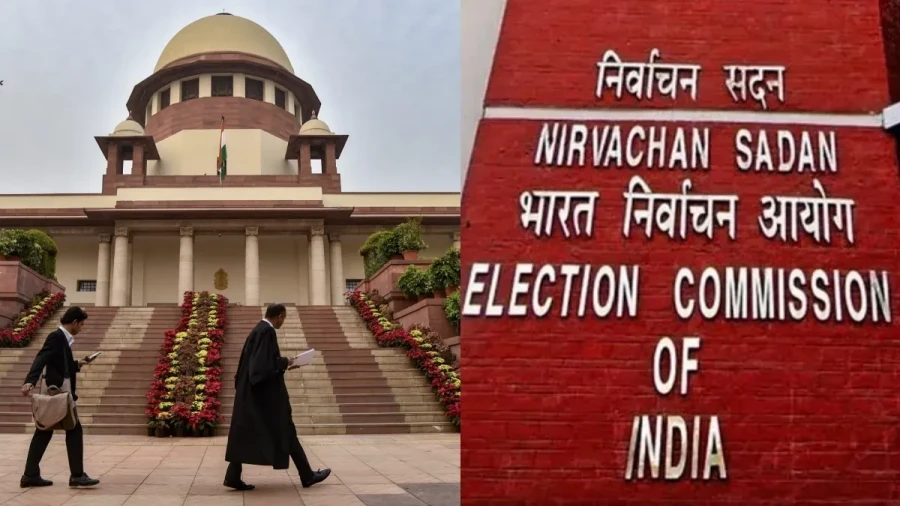
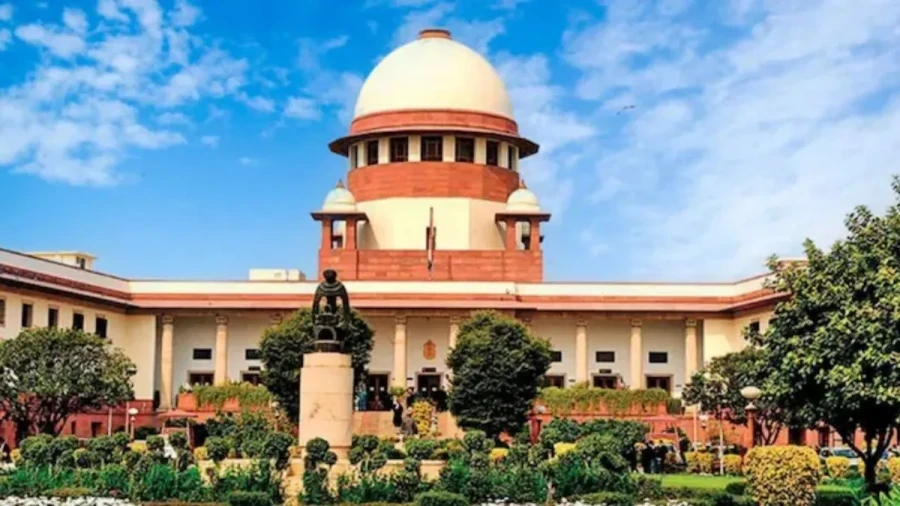
Union Law Minister Arjun Ram Meghwal announced on Sunday that President Droupadi Murmu has officially sanctioned the Union Cabinet's decision to expand the judicial strength of the Supreme Court. This significant move will see the number of judges in the apex court rise from the current 34 to 38. The decision marks a critical step in the government's efforts to streamline the judicial process and address the growing volume of litigation in the country.
Legislative Framework and Ordinance Details
In a detailed post on the social media platform X, Arjun Ram Meghwal clarified the legal mechanism behind this expansion. He stated that the President has promulgated the Supreme Court (Number of Judges) Amendment Ordinance, 2026. This ordinance effectively amends the Supreme Court (Number of Judges) Act, 1956. By virtue of this amendment, the sanctioned strength of judges in the Supreme Court has been increased from 33 to 37, excluding the Chief Justice of India. When the Chief Justice of India is included, the total judicial strength reaches 38.
The proposal for this expansion was initially approved by the Union Cabinet during a meeting chaired by Prime Minister Narendra Modi on May 5. The primary objective behind introducing the Supreme Court (Number of Judges) Amendment Bill, 2026, in Parliament was to modify the 1956 Act to accommodate the need for more judicial officers. The transition from 33 to 37 judges (excluding the CJI) is seen as a direct response to the administrative and judicial pressures faced by the highest court of the land.
Impact on Pending Cases and Judicial Efficiency
The decision to appoint 4 new judges has been widely welcomed by members of the legal fraternity. Legal experts and practitioners have described this as a timely intervention to manage the mounting backlog of cases and the increasing complexity of litigation brought before the Supreme Court. The addition of more benches and judges is expected to accelerate the disposal of long-pending matters, providing much-needed relief to litigants across the nation.
Perspectives from the Legal Community
Senior Advocate Vikas Singh, who serves as the President of the Supreme Court Bar Association (SCBA), shared his insights on this development. He noted that the demand for increasing the number of judges had been a long-standing one, driven by the continuous surge in the number of cases filed in the Supreme Court, while while he praised the commendable rate at which the current Supreme Court judges dispose of cases, he emphasized that the sheer volume of new filings necessitated a larger bench strength.
Plus, Vikas Singh highlighted the critical role of infrastructure in supporting this expansion. He expressed optimism regarding the progress of the new Supreme Court building, noting that a portion of it's expected to become operational by the end of this year, while according to his assessment, the current and upcoming infrastructure can comfortably accommodate 38 judges. Looking ahead, he suggested that as the judicial workload continues to grow, the court might require approximately 50 judges in the coming years once the entire new building complex is fully functional.