
- India,
- 17-May-2026 08:11 AM IST



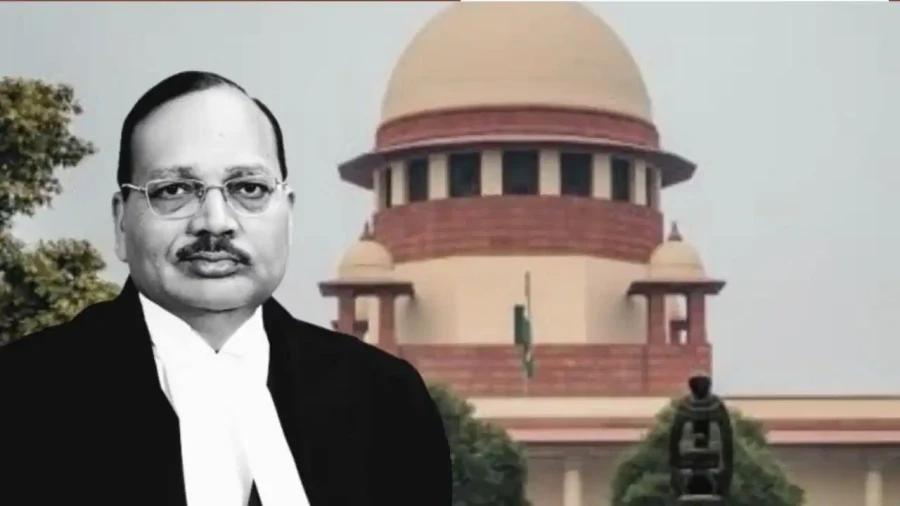
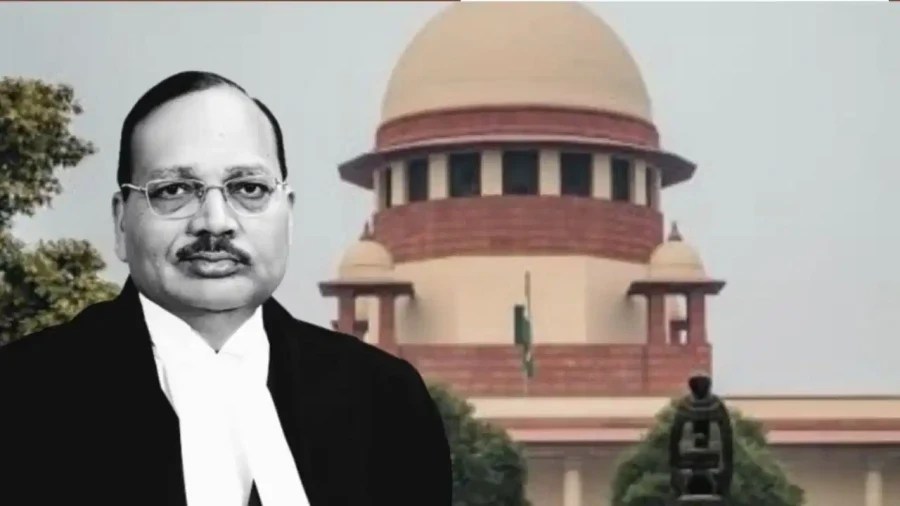
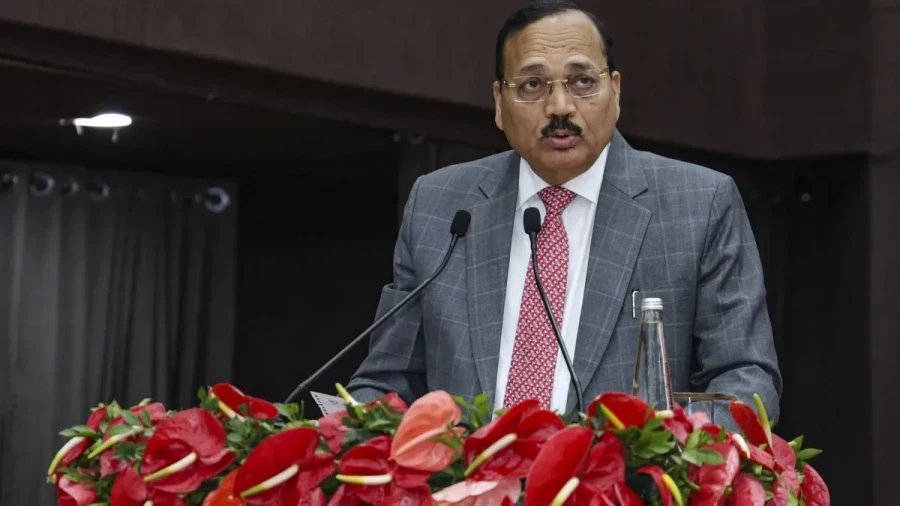
Chief Justice of India (CJI) Surya Kant has made a significant statement regarding the transformation of the Indian judicial system, emphasizing the need for a more accessible and responsive judiciary. Speaking at an event organized by the Madhya Pradesh High Court, the CJI asserted that the judicial system must evolve into a mechanism that provides immediate relief to the common man. He drew a powerful parallel, stating that the judiciary needs to function like hospitals that remain open 24/7, ensuring that the pain and aspirations of every citizen are addressed without delay.
The Vision of a 24/7 Judiciary
" During his address, he highlighted that the time has come for the judiciary to develop a system where the common man doesn't have to wait indefinitely for justice. By comparing the courts to 24/7 hospitals, CJI Surya Kant underscored the urgency of judicial interventions. He noted that just as medical emergencies require round-the-clock attention, legal grievances often involve critical issues of life, liberty, and rights that can't be put on hold. During the event, he also inaugurated the newly developed digital platform of the High Court.
Technology as the Ultimate Solution
Addressing the perennial issue of judicial delays, the CJI identified technology and Artificial Intelligence (AI) as the primary tools to streamline the legal process. He called for the strengthening of a judicial framework based on AI to increase the scope and speed of justice delivery. "The Indian judiciary isn't only committed to making the best use of the technological progress that has been ongoing since the 1990s, but we're also focusing on utilizing the latest AI designs for the benefit of the common man," he stated. According to the CJI, the only effective way to prevent the wastage of the judiciary's time is the widespread adoption of advanced technology.
Lessons from the Pandemic
Reflecting on the challenges posed by the COVID-19 pandemic, CJI Surya Kant recalled how the Indian judiciary earned global praise for fulfilling its constitutional responsibilities during such a difficult period. " Even during the height of the crisis, the courts continued to hear essential and urgent cases through technological means, ensuring that the wheels of justice didn't stop turning. This experience served as a proof of concept for the digital transformation that's now being accelerated across the country.
The Madhya Pradesh Model and National Integration
The CJI highly praised the digital platform developed by the Madhya Pradesh High Court. He echoed the suggestion made by the Union Minister of State for Law and Justice, Arjun Ram Meghwal, that such technological systems should be implemented at the national level. To further this goal, the CJI revealed that the Supreme Court has constituted a special committee. This committee is currently studying how AI can be integrated into the judicial system to ensure the swift disposal of cases. The integration of these digital platforms aims to move from a fragmented approach to a unified, fused system that empowers justice for every citizen.