
- India,
- 16-Oct-2026 12:09 PM IST



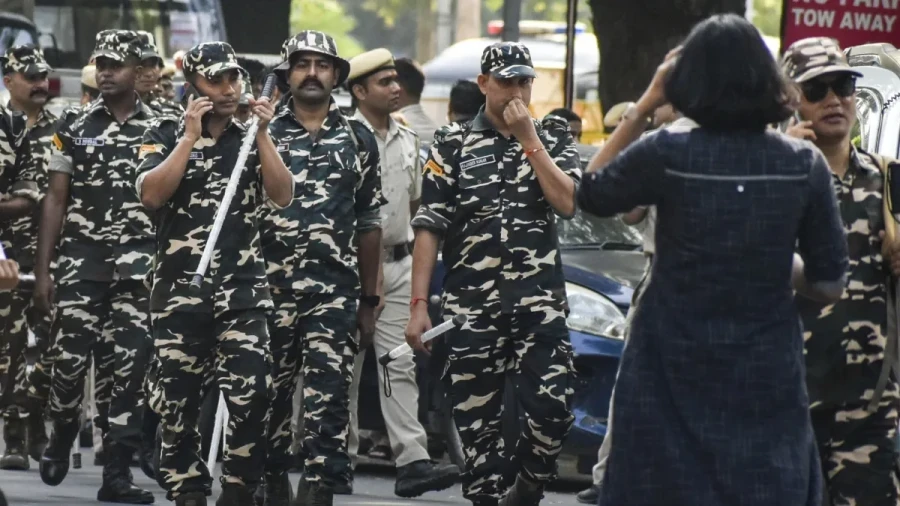
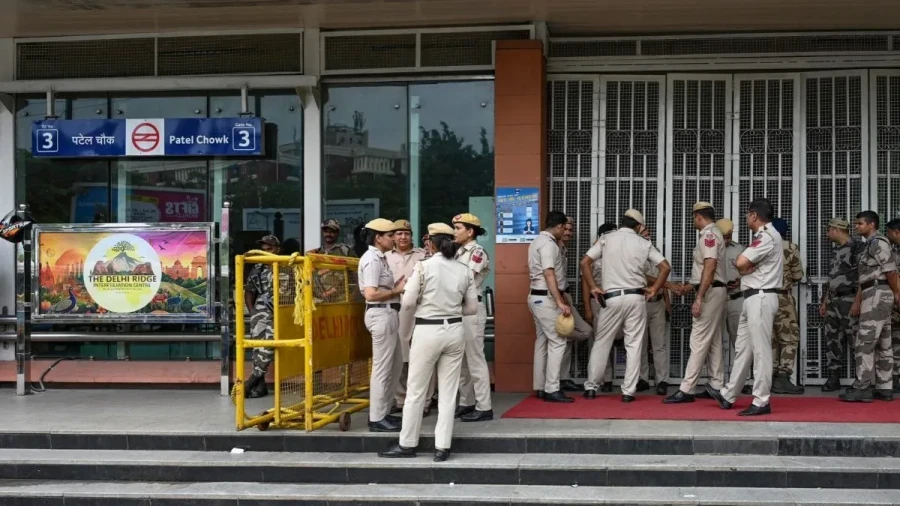
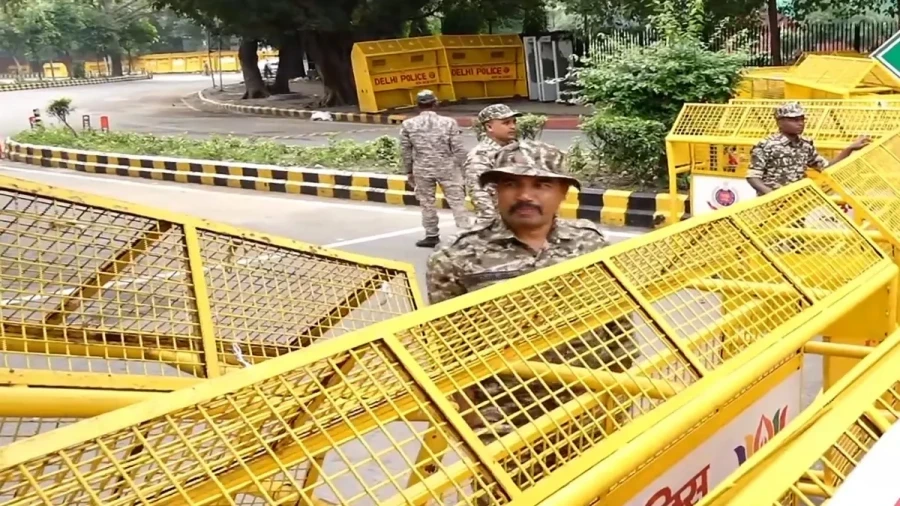
The Supreme Court of India has officially declined to pass an immediate order staying the protests scheduled to take place today in the iconic Connaught Place area of New Delhi. During the proceedings, the bench addressed the complexities of balancing democratic rights with the economic stability of local businesses and the general public order, while the matter was brought to the attention of the Chief Justice of India (CJI) on Friday by a lawyer seeking an urgent hearing to prevent potential disruptions in the heart of the national capital.
Judicial Observations on Livelihood and Sensibility
While presiding over the matter, the Chief Justice of India expressed a hope that all parties involved would act with maturity and sensibility, while the court highlighted the plight of small-scale entrepreneurs and shopkeepers who operate in the Connaught Place vicinity. The CJI noted that these individuals rely heavily on daily sales for their livelihood, especially during specific periods when footfall is high, while the bench remarked that the court is well aware of the significant hardships and difficulties that entire families might face if their primary source of income is disrupted due to such events. The emphasis was placed on the fact that for many, these business hours are crucial for survival.
Balancing Rights and Law and Order
Justice Joymalya Bagchi, who was part of the proceedings, provided further context on the multi-faceted nature of the situation, while he observed that there are various stakeholders involved in such scenarios: some individuals wish to exercise their right to protest, others like street vendors need to sell items such as peanuts to earn a living, and the authorities are tasked with maintaining law and order. Justice Bagchi noted that all these aspects are interconnected. He further warned that if the protests lead to significant damage to business and commerce, the Supreme Court wouldn't hesitate to exercise its constitutional powers. However, the court maintained that it must first observe how the situation unfolds before intervening further.
Concerns Over Central Park Closure
The legal representative for the petitioners also brought up the issue of the New Delhi Municipal Council (NDMC) issuing a late-night order to close Central Park. It was argued that this sudden closure would prevent any business activities from taking place in that specific zone. In response to this, Justice Bagchi clarified the court's stance on administrative actions. He stated that if any step taken by the authorities is found to be excessive or beyond the scope of necessity, the court has the jurisdiction under the law to take corrective action. This includes the power to issue orders regarding the compensation of losses suffered by affected parties due to such administrative decisions.
Hearing on Petition Against Rahul Gandhi
In a separate but related development, the Supreme Court has scheduled a hearing for October 26 regarding a petition filed by a female journalist against Rahul Gandhi. The journalist has alleged that she was pushed by the leader during a march. This matter was mentioned before the bench headed by the CJI by lawyer and BJP leader Gaurav Bhatia, while bhatia requested the court to fix a date for the application and sought clarification on whether a notice had been issued in the case. The Chief Justice of India responded by confirming that notices had already been issued for all petitions placed before the court on the previous day. The bench will now take up the matter for a detailed hearing on October 26.