

- India,
- 02-Feb-2026 08:44 AM IST


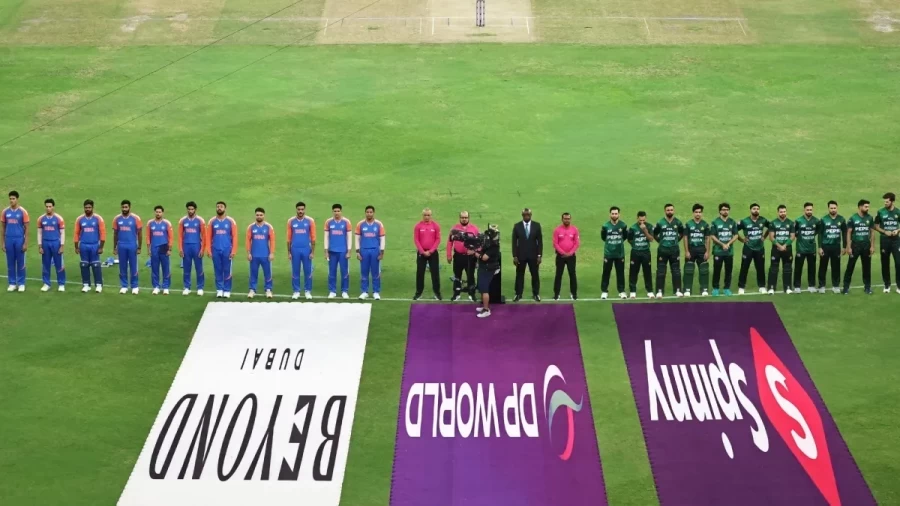
A significant development has emerged regarding the high-voltage clash between India and Pakistan in the ICC T20 World Cup 2026. Despite the Pakistan government's official announcement to boycott the group stage match scheduled for February 15, 2026, the Indian cricket team has decided to proceed with its scheduled plans. According to sources within the Board of Control for Cricket in India (BCCI), Team India will strictly adhere to all established International Cricket Council (ICC) protocols and travel to Sri Lanka as planned.
BCCI Strategy and Adherence to ICC Norms
Official sources linked to the BCCI informed news agency ANI that the Indian contingent will reach Colombo to fulfill all match-related obligations. This includes participating in scheduled practice sessions, attending mandatory pre-match press conferences, and arriving at the SSC Cricket Ground in Colombo on the match day. By following these steps, India aims to ensure they remain in full compliance with ICC regulations. The team will wait for the match referee's official verdict, which will determine the outcome and allocation of points in the event of Pakistan's absence.
Pakistan Government's Boycott Announcement
The Pakistan government has already declared that its team won't take the field against India on February 15. In a statement released on the social media platform X, the government confirmed that while the Pakistan team has permission to participate in the T20 World Cup 2026, they will specifically boycott the fixture against India. No concrete reasons were provided for this selective boycott. This decision has placed the ICC in a complex position, as the tournament is being co-hosted by India and Sri Lanka, requiring easy coordination between participating nations.
Historical Context and Current Team Form
Statistically, India has maintained a dominant record over Pakistan in the history of the T20 World Cup. Out of the eight encounters between the two sides in this tournament, India has emerged victorious in seven matches, while Pakistan has secured only one win. Currently, the Indian team is in excellent form, having recently defeated New Zealand 4-1 in a five-match T20I series. According to analysts, Pakistan's decision to withdraw from the match could Notably impact the group standings, as India is likely to be awarded full points via a walkover.
Expert Analysis and ICC Regulatory Framework
According to sports analysts, India's decision to follow the protocol is a strategic move to secure points legally under ICC rules. If the Indian team is present at the venue and the opposition fails to appear, the match referee has the authority to declare India the winner by forfeit. Experts suggest that the ICC may also consider imposing fines or other disciplinary measures on the Pakistan Cricket Board (PCB) for failing to honor the tournament schedule, while this situation once again highlights the intersection of geopolitical tensions and international sports.
Conclusion and Future Implications
As the situation stands, the responsibility now lies with the ICC and the PCB to address the fallout of this boycott. The Indian team has made its stance clear by prioritizing sportsmanship and regulatory compliance. If Pakistan remains firm on its decision, the match on February 15 in Colombo may see India declared the winner without a single ball being bowled. The global cricketing community is now awaiting an official response from the ICC on how it intends to manage this unprecedented boycott in a major world event.
