
- India,
- 29-Aug-2026 09:12 AM IST



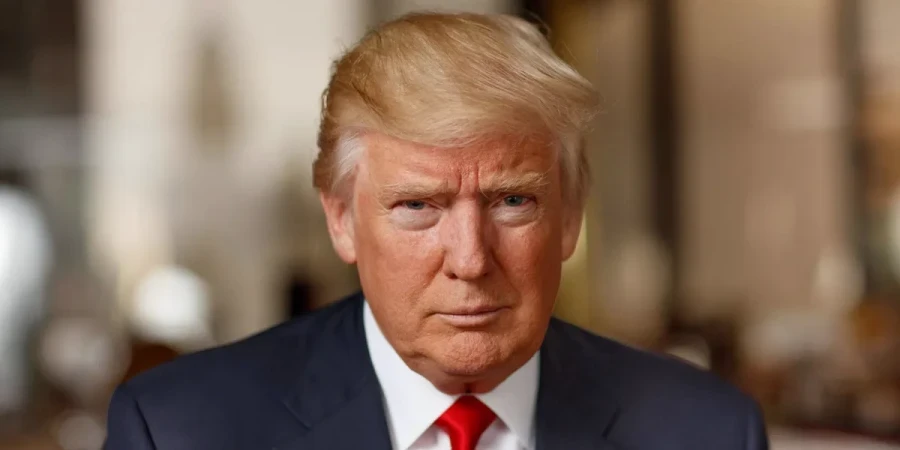
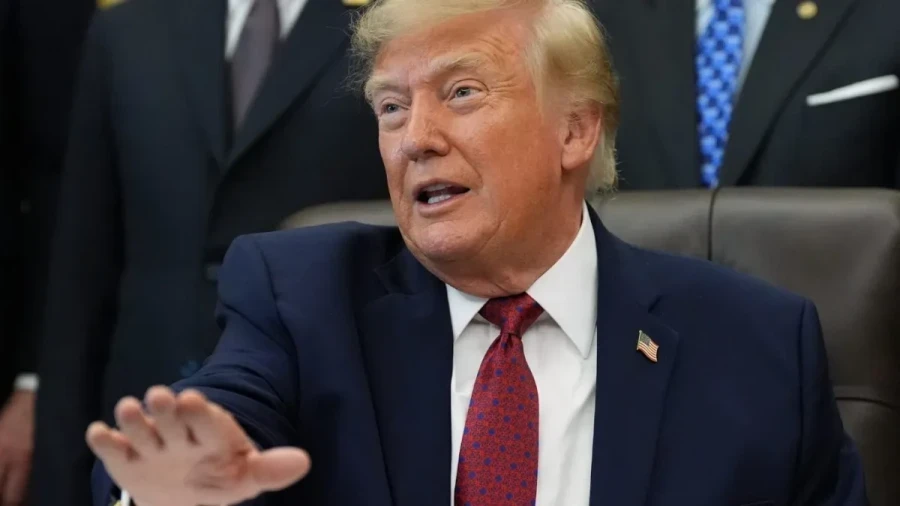
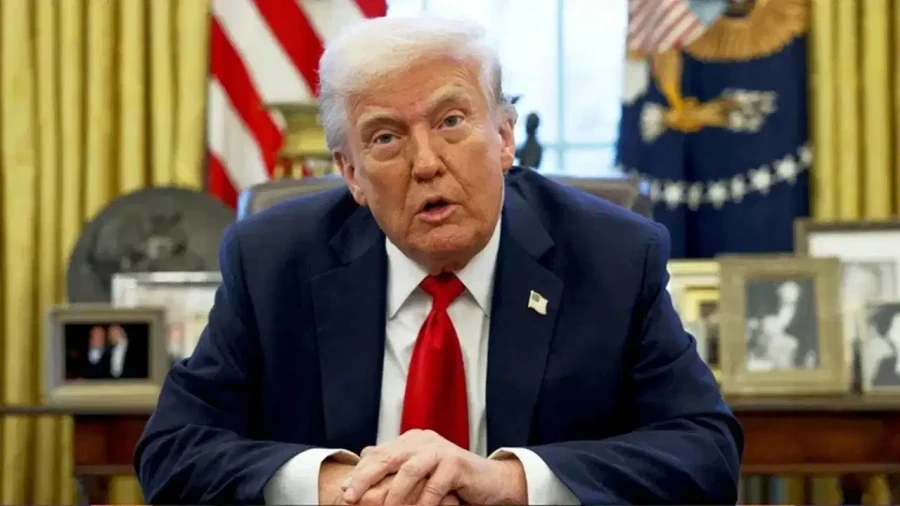
In a move that marks a significant shift in global energy dynamics, United States President Donald Trump announced on August 28 what he described as the largest oil deal in the history of the world. This landmark agreement has been reached with Venezuela, granting the United States majority control over more than 65 billion barrels of proven oil reserves. The announcement, which has sent ripples through international markets, is expected to fundamentally alter the energy landscape for both nations and the global economy at large.
Strategic Control and Key Personnel
President Trump detailed the specifics of the deal through a post on his Truth Social platform, highlighting the collaborative effort involved in securing this agreement, while he noted that the negotiations were conducted at his direction by high-ranking officials within his administration. Specifically, Secretary of State Marco Rubio and Secretary of War Pete Hegseth played pivotal roles in the discussions. They worked in close coordination with Venezuela's Interim President, Delcy Rodriguez, to finalize the terms of the partnership. This deal isn't merely a government-to-government agreement but involves a strong partnership with private companies, which will be instrumental in managing and developing the vast oil resources.
Economic Impact and Taxpayer Benefits
One of the most striking aspects of the deal, as emphasized by President Trump, is its cost-effectiveness for the American public. Trump stated that the majority control over the 65 billion barrels of oil was achieved without spending a single penny from the pockets of American taxpayers. This was made possible through the strategic involvement of private sector entities that will provide the necessary capital and expertise. The President claimed that this agreement would lead to a massive boost in the American energy supply, asserting that it could more than double the existing US oil reserves. The ultimate goal of this increased supply is to drive down petrol prices for consumers, providing significant economic relief to households across the country.
Venezuela's Perspective and Infrastructure Development
The agreement has also been warmly welcomed by the Venezuelan leadership, while interim President Delcy Rodriguez expressed her support for the deal, noting that it would generate substantial revenue for the national treasury. According to Rodriguez, the partnership is expected to bring in a massive influx of investment, specifically targeted at rebuilding and upgrading the essential infrastructure required to revitalize the country's oil industry. The deal encompasses the development of 17 critical oil fields, which collectively hold the 65 billion barrels of proven reserves. These projects are projected to attract more than 100 billion dollars in private investment and are expected to generate over 209 billion dollars in tax revenue for Venezuela.
Social and Economic Goals for Venezuela
Beyond the immediate financial gains, the Venezuelan government intends to use these resources for broader national development. Rodriguez highlighted that the country aims to benefit from its vast oil reserves to re-establish itself as a major global energy producer. The anticipated economic activity is expected to create numerous jobs, increase the income of workers, and Notably improve the overall standard of living for the Venezuelan people. Rodriguez described this agreement as the beginning of a new era of recovery, growth, production, security, and prosperity for the nation, signaling a hopeful future for its citizens through this strategic international partnership.