
- India,
- 11-Aug-2026 07:19 AM IST



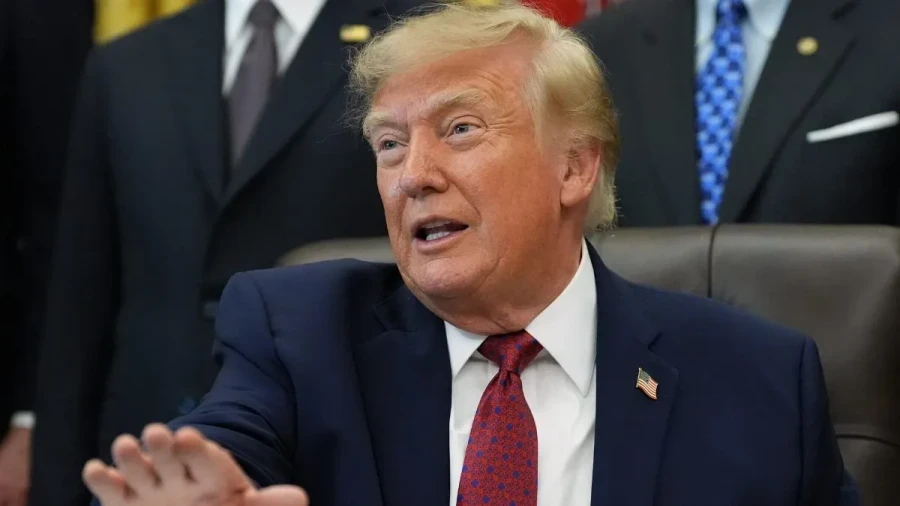
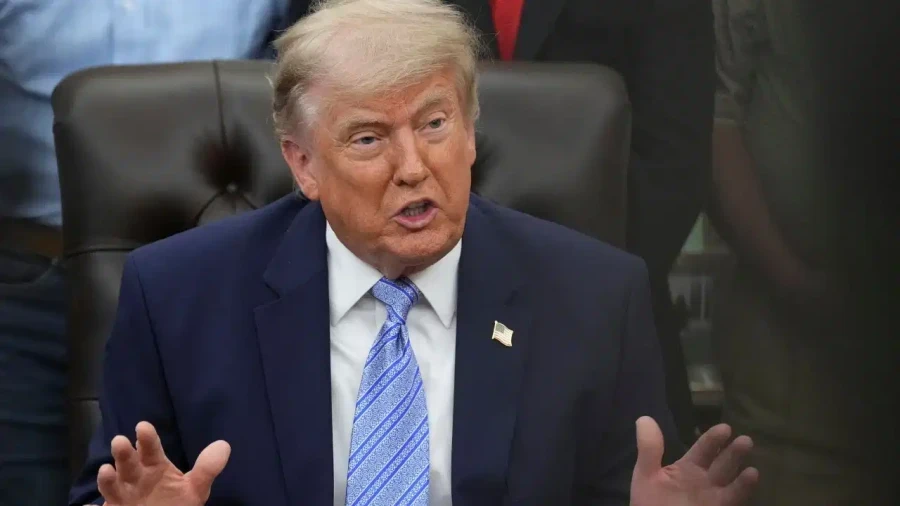
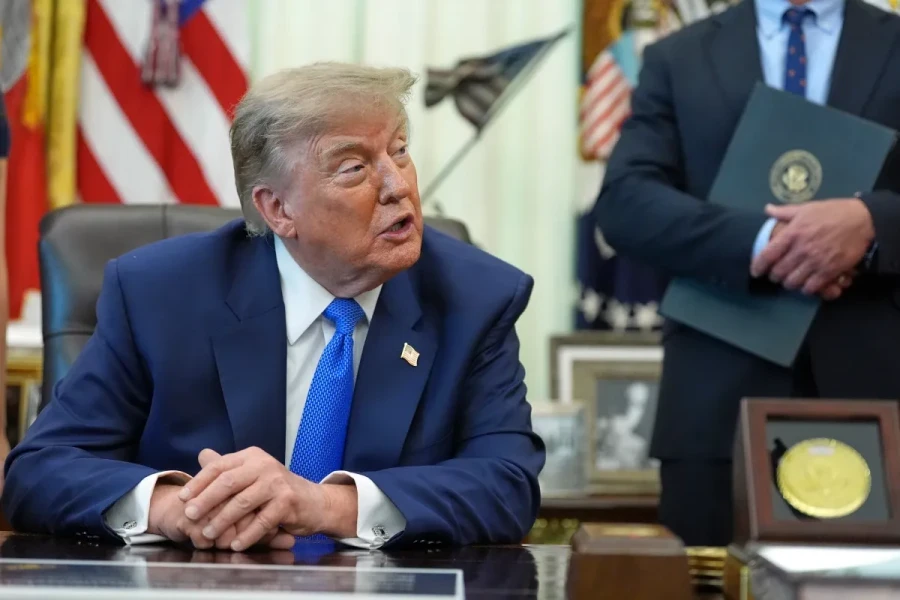
United States President Donald Trump has made a significant and far-reaching announcement regarding international maritime security and strategic control. Trump has claimed that the Strait of Hormuz, one of the world's most critical maritime passages, is now under the exclusive and total control of the United States Navy, while in a bold assertion of military dominance, the President not only declared American authority over the region but also flatly rejected Iran's demands for war-related compensation. Instead, Trump has turned the tables, demanding that Iran pay the United States for damages and losses incurred during the conflict, while this major policy statement was shared by the President through a post on his Truth Social platform.
The Steel Wall Blockade in the Strait of Hormuz
Elaborating on the current operational status of the Strait of Hormuz, Donald Trump stated that the US Navy now maintains absolute control over the area. He described the American naval blockade in the region as being as formidable as a wall of steel. According to Trump, this blockade is so comprehensive and strong that the United States will now decide which vessels are permitted to transit through this vital corridor. He emphasized that the US has 100 percent control over the Strait of Hormuz, asserting that only those ships the US chooses to allow will be granted passage. This statement underscores a significant escalation in the naval presence and control measures implemented by the United States in this volatile region.
Rejection of Iran's Demands and Counter-Claims for Compensation
The President's statement comes at a time of heightened tension between the two nations regarding the movement of ships in the Strait of Hormuz. While various statements have been issued by both sides, no concrete agreement has been reached. In this context, Trump has made it clear that Iran won't receive any compensation from the United States, while on the contrary, he insisted that Iran must compensate the US for the losses sustained during the war. In his Truth Social post, Trump noted that he had observed representatives of the Islamic Republic of Iran seeking compensation for damages during the last 5 months of military fighting. He clarified that this conflict began because Iran won't be allowed to have nuclear weapons. Trump pointed out that the issue of compensation for Iran was never mentioned in any of their previous meetings or negotiations.
Trump Details the Cost of Iranian Actions
Donald Trump described the idea of compensation as interesting but redirected the focus toward Iran's history of aggression. He stated that he's now demanding compensation from Iran for all the individuals they've killed or seriously injured through roadside bombs and various battles. He specifically mentioned that Iran is famous for such tactics, which he claimed were initiated by General Soleimani. The President's demand for compensation includes the families of those killed on the USS Cole and thousands of others who lost their lives in combat, while Also, Trump asserted that compensation should be provided to the families of millions of innocent protesters whom Iran has killed over the last 50 years. He also highlighted the 52,000 people who have been killed in the last 5 months alone. Trump has instructed his representatives to firmly include these demands in any future negotiations with Iran.
Strategic Importance and Iran's Original Demands
The backdrop of this confrontation involves Iran's demand for the payment of billions of dollars from the United States as a condition for reopening the Strait of Hormuz. Iran has also demanded an end to the naval blockade, the withdrawal of US troops from the region, and several other concessions. The Strait of Hormuz is recognized as one of the most vital oil and gas transportation routes in the world. Due to the persistent threat of missile and drone attacks from Iran, maritime traffic in the area has been severely impacted. This instability has led to significant fluctuations and uncertainty in the global oil market, making the control of this passage a matter of international economic and security concern.