
- India,
- 17-Oct-2026 08:26 AM IST



In a significant and decisive development in the ongoing conflict between Russia and Ukraine, Russian President Vladimir Putin has officially announced the creation of a massive security zone spanning 660 kilometers inside Ukraine. Along with this major declaration, President Putin has made it unequivocally clear that during any future peace negotiations with Ukraine, this designated security zone will be treated as non-negotiable, meaning there will be absolutely no compromise or bargaining permitted regarding this territory. This firm stance by the Russian leader signals a profound shift in international diplomacy and military strategy, instantly capturing the intense attention of global observers and world powers alike.
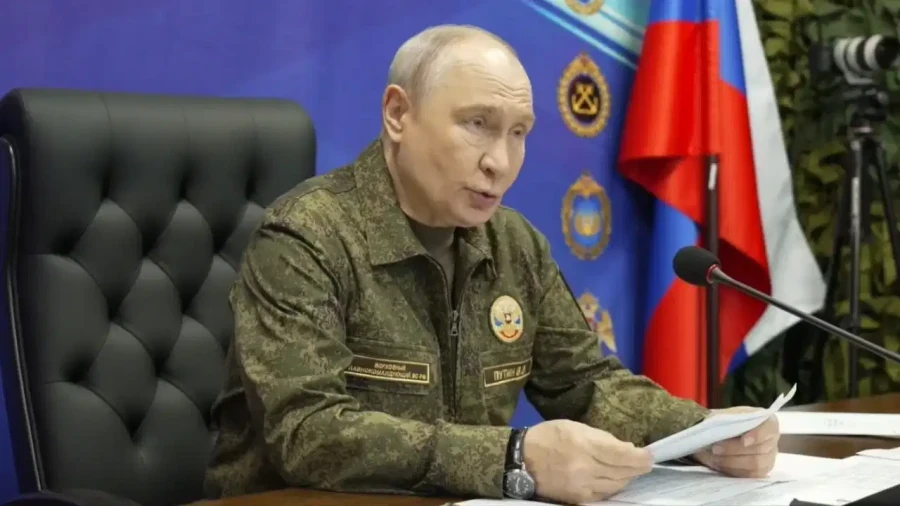
President Putin Delivers Firm Message from Military Command Post
Dressed in full military uniform, Russian President Vladimir Putin arrived at a frontline military command post on Friday to address military leadership and the press. He explicitly stated that this crucial step has been taken in direct response to Ukraine's military incursions into Russia's Kursk region during the 2024-2025 period. According to Putin, Russia remains entirely steadfast in its commitment to guaranteeing the absolute safety and security of its sovereign borders, and the establishment of this approximately 660-kilometer-long security zone is a vital part of that overarching defensive strategy. Official Russian figures and statements indicate that roughly 70 percent of this proposed and developing security zone is already currently under the direct control and jurisdiction of the Russian military forces.
Two Core Strategic Objectives Assigned to Russian Armed Forces
During his comprehensive address at the military command post, President Vladimir Putin elaborated on the two primary tasks and strategic objectives that were originally assigned to the Russian armed forces at the onset of the conflict. The first vital objective was to decisively drive all Ukrainian troops and foreign intruders completely out of Russia's sovereign territory. Meanwhile, the second and equally critical objective was to establish a foolproof and impenetrable security zone across the border regions of Ukraine to permanently prevent any recurrence of such cross-border incursions in the future. Expressing deep satisfaction with the military's progress, Putin emphasized that the armed forces are successfully fulfilling both of these challenging goals. Russia's ultimate objective is to comprehensively and permanently safeguard its border territories against all foreseeable future threats.
Strategic Planning and Territorial Requirements for the Security Zone
Although President Vladimir Putin has previously touched upon the concept of creating a border security zone, this marks the first time he has publicly specified its exact length and reiterated that no peace talks will ever alter this arrangement, while to bring this ambitious and comprehensive plan into full practical effect on the ground, Russia will necessarily have to secure firm territorial control within Ukraine's Sumy and Kharkiv regions. It's noteworthy that ever since launching its military campaign against Ukraine in 2022, Russia has not made any formal territorial claims to incorporate these two specific regions into its own official borders, yet dominating these areas has become an indispensable component of this tactical security architecture.
Military Situation and Progress of Russian Forces Across Other Ukrainian Regions
In his extensive recent remarks, President Putin also provided a detailed assessment of the operational status of Russian forces across other active fronts within Ukraine. 5 percent of the Zaporizhzhia region to achieve their broader operational milestones. Plus, Putin lavished praise on the precision and effectiveness of ongoing Russian strikes targeting Ukraine's critical military infrastructure, vital industrial hubs, and core transportation facilities. Simultaneously, he underscored the urgent necessity of upgrading and further strengthening Russia's national air defense network to completely protect the country's airspace from aerial threats.
Geopolitical Dynamics, US-Russia Deal, and Diplomatic Tensions
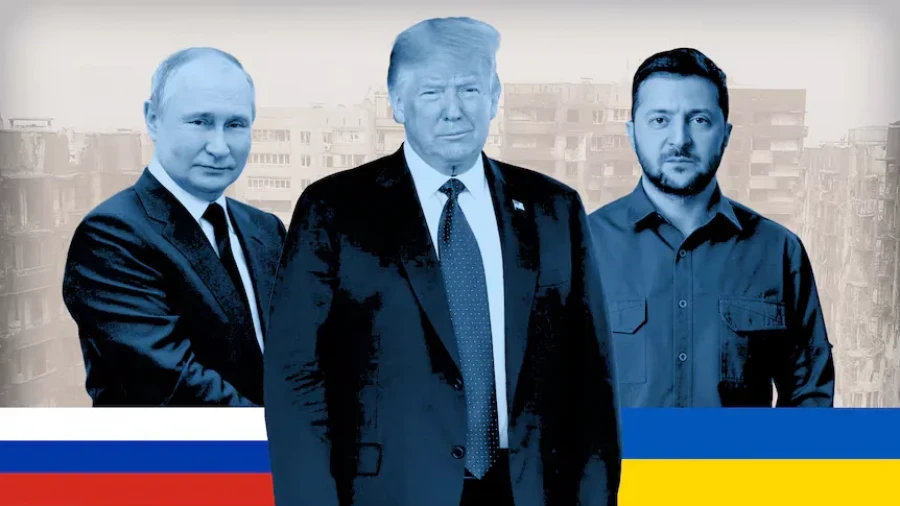
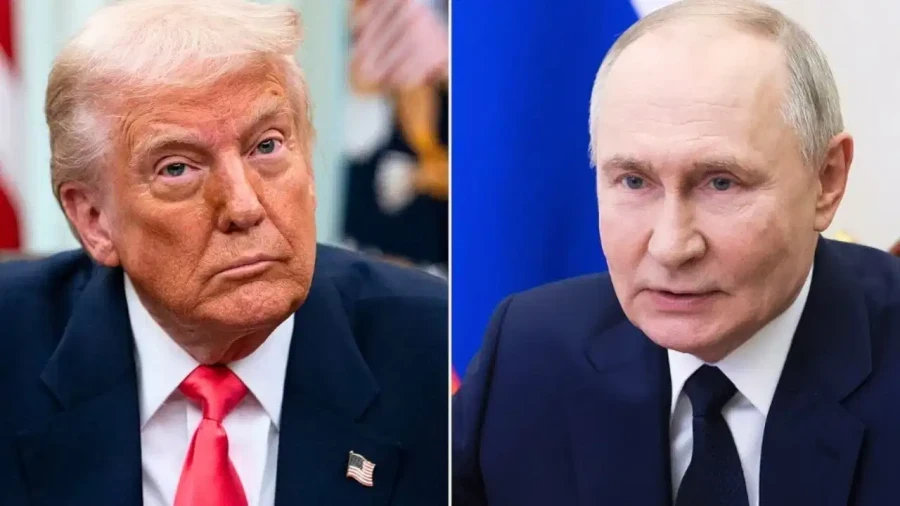
President Putin's aggressive and uncompromising declaration comes at a particularly sensitive juncture when diplomatic dialogues regarding the management or termination of the conflict are concurrently underway. Notably, just last week, a significant commercial transaction was finalized between Russia and the United States, involving an agreement for the sale of Russian diesel to the United States. Following the disclosure of this US-Russia trade deal, fresh diplomatic friction and severe tensions have once again flared up between US President Donald Trump and Ukrainian President Volodymyr Zelenskyy, creating visible unease across international diplomatic corridors.
Continuous Conflict Across Battlefields and Cyber Spaces
Parallel to the high-stakes political posturing and diplomatic maneuvers, intense warfare and relentless attacks continue unabated on the actual battlefields. Over the past nine days alone, Ukrainian drones have launched targeted strikes against several major Russian data centers and a massive oil refinery, while in retaliation, Russian forces have sustained heavy missile and drone bombardments against major Ukrainian cities, critical power plants, and strategic port facilities, inflicting severe damage on vital infrastructure. Amidst these hostilities, Kirill Dmitriev, the investment envoy of Russian President Putin, shared important insights indicating that Russia and the United States are currently engaged in active discussions regarding multiple new joint projects and collaborative economic initiatives. These proposed ventures reportedly include a major strategic plan to construct advanced data centers powered by nuclear energy, which could potentially reshape bilateral technical and economic ties in the near future.