
- India,
- 28-Jul-2026 09:05 AM IST



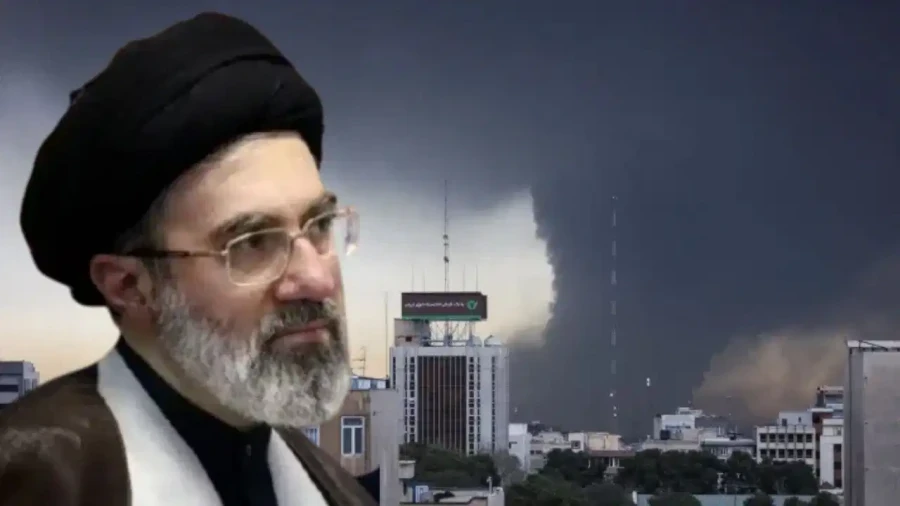
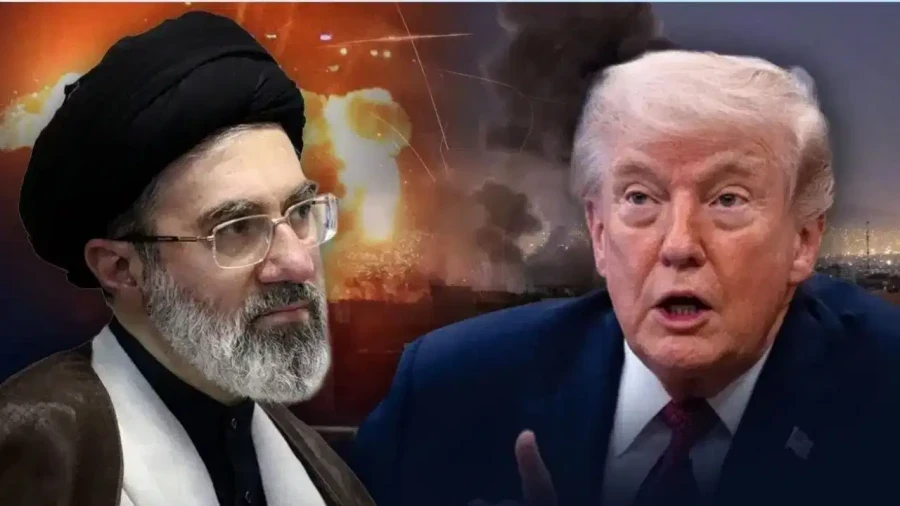
S, while is currently engaged in productive discussions with Iran, expressing optimism that the ongoing conflict could potentially be resolved through diplomatic channels. Speaking to reporters aboard Air Force One on Monday, the President noted that Tehran appears interested in negotiating due to the intensity of the recent American military actions, while trump emphasized that while there is a strong possibility of a positive outcome, the United States remains prepared to resume its military operations if diplomatic efforts fail to yield results. S. will return to the actions it was taking just two days ago.
The Fragile Pause in Military Operations
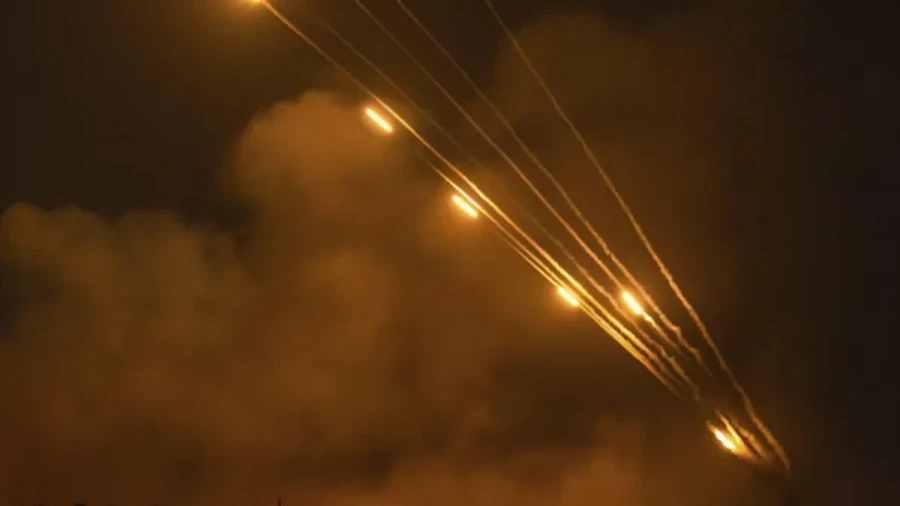
These remarks from the President come just two days after Washington abruptly halted a two-week-long intensive bombing campaign against Iranian-linked targets. This pause was intended to provide a window for diplomatic engagement, but the resulting peace remains extremely fragile, while the situation was further complicated by reports of fresh drone attacks across the region, specifically in Saudi Arabia, Jordan, and Iraq. These incidents have raised concerns about the stability of the current ceasefire and the potential for a rapid escalation of hostilities. Adding to the tension, the Iran-backed Houthi rebels in Yemen claimed responsibility for attacks targeting Saudi Arabian oil infrastructure, further destabilizing the regional security landscape.
Tehran Denies Direct Negotiations
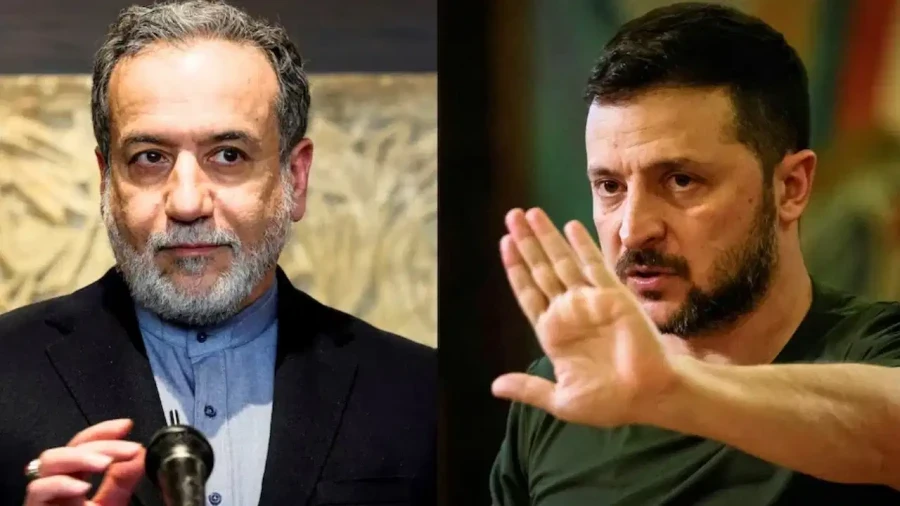
Despite President Trump's optimistic outlook on the talks, Iran has officially denied any attempts at direct negotiation. Iranian Foreign Ministry spokesperson Esmaeil Baghaei dismissed reports of direct talks as fabricated, stating emphatically that such negotiations aren't in our DNA. However, Baghaei did confirm that indirect messages are still being exchanged between the two nations through various mediators. Amidst this diplomatic friction, Tehran also asserted its continued control over the Strait of Hormuz. This strategic waterway is a critical route for global oil shipping and remains at the very center of the ongoing crisis between Washington and Tehran.
Impact on Global Oil Markets
The hope that the current pause in military action might open a path for diplomacy led to a significant drop in global oil prices, while brent crude, which had briefly surged past 100 dollars per barrel last week, saw a sharp decline of approximately 9 percent. This brought the price down to around 88 dollars per barrel. Market analysts suggest that the potential for a de-escalation has eased supply concerns, although the situation remains volatile. Reports indicated that Trump had initially paused the bombing campaign after military commanders expressed concerns regarding a diminishing list of targets and the status of ammunition supplies.
Ammunition Supplies and Strategic Uncertainty
President Trump has moved to dismiss claims regarding any shortage of military resources. He asserted that the United States possesses a vast amount of ammunition and is rapidly replenishing its stockpiles to ensure full readiness. Despite the current halt in strikes, significant uncertainty persists in the region. Shipping through the Strait of Hormuz has been severely disrupted, and both Washington and Tehran remain in a deadlock over future access to this vital strategic waterway. The President's stance remains firm: while diplomacy is the preferred route, the military option is ready to be reactivated at a moment's notice if Tehran doesn't comply with the expected terms of the dialogue.