
- India,
- 28-Jul-2026 08:27 AM IST



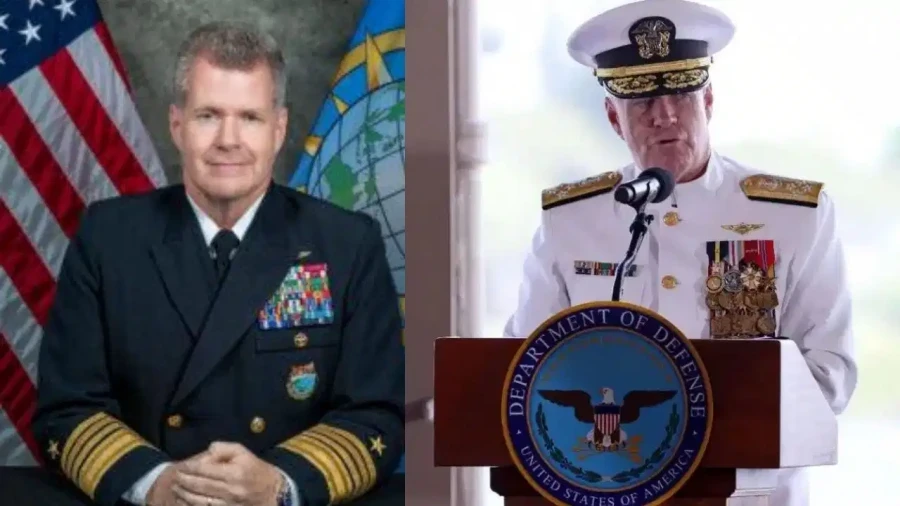
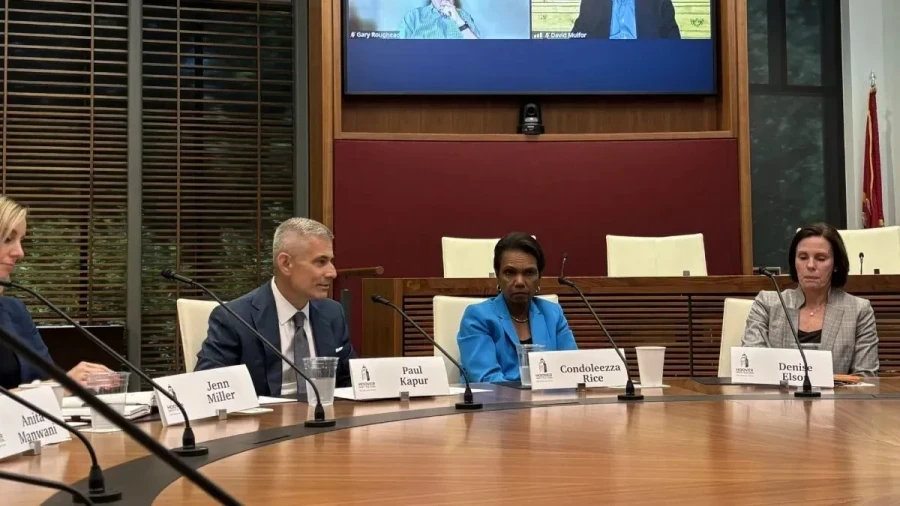
A senior United States official has highlighted the growing synergy between India and the US during a high-level roundtable meeting held at the Hoover Institution, while the discussion focused on the deepening cooperation in critical strategic sectors, including defense and civil nuclear energy, which are seen as essential for the future of both nations. The event saw the participation of prominent figures such as former Secretary of State Condoleezza Rice and former US Ambassador to India David C. Mulford, underscoring the diplomatic weight of the ongoing bilateral engagements.
Strengthening Strategic and Technological Ties
Assistant Secretary of State S. Paul Kapoor, speaking at the roundtable, noted that the United States and India are Importantly expanding their collaboration in emerging technology areas. These include not only defense and civil nuclear energy but also the development of trusted Artificial Intelligence (AI). Kapoor emphasized that under the current administration, the engagement with India isn't just a diplomatic formality but a practical partnership that's creating jobs within the United States and strengthening vital supply chains. These supply chains are considered crucial for the economic and security interests of both the US and the wider Indo-Pacific region.
Comprehensive Defense Partnership Framework
The foundation of this growing relationship was further solidified last year when India and the United States signed a framework for a comprehensive defense partnership, while this agreement aims to enhance interoperability and coordination across all operational domains, including land, sea, air, space, and cyberspace. The partnership reflects a long-term commitment to regional security. Since 2002, India has Notably diversified its defense procurement by acquiring a wide range of advanced military equipment from the US. This includes Apache and Chinook helicopters, C-17 Globe Master III and C-130J Super Hercules transport aircraft, P-8I maritime patrol aircraft, and M777 ultra-light howitzers, which have collectively bolstered India's defense capabilities.
Civil Nuclear Energy and the SHANTI Law
In the civil nuclear sector, American companies are showing a renewed and strong interest in expanding their presence in the Indian market. Earlier this year, a high-level delegation of executives from the US nuclear industry visited India to explore potential collaboration opportunities with the private sector, while this surge in interest follows a significant legislative move by New Delhi. The Indian government introduced the 'SHANTI' (Civil Nuclear Liability) law, which simplified the rules regarding civil nuclear liability, while this policy shift has been welcomed by international investors and technology providers as it provides a clearer and more predictable regulatory environment for nuclear energy projects.
Trade Relations and Tariff Adjustments
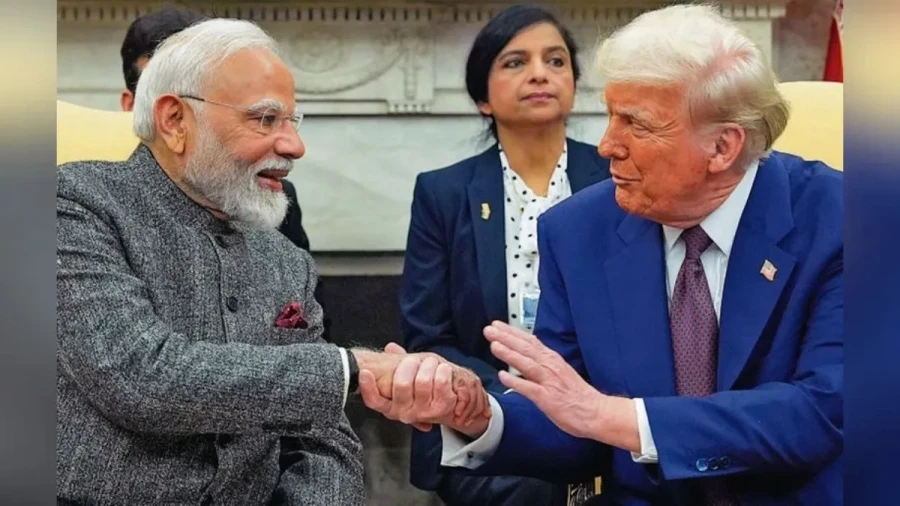
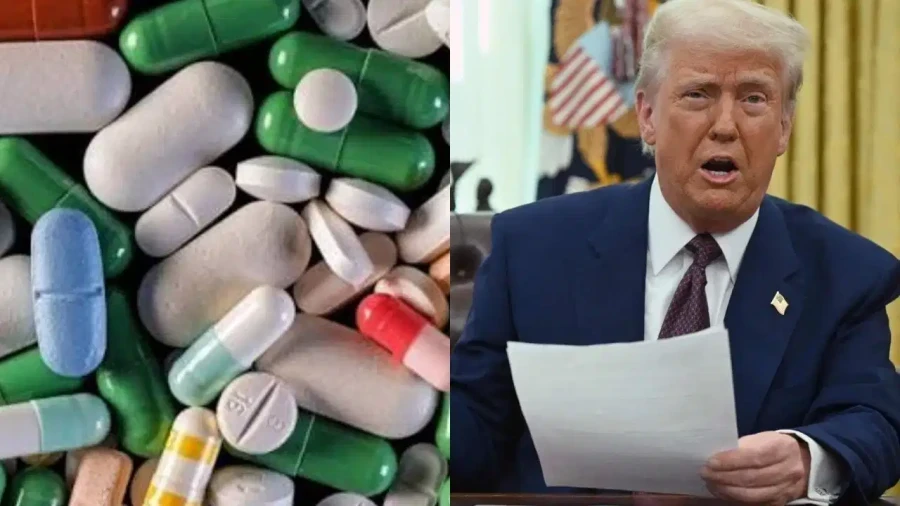
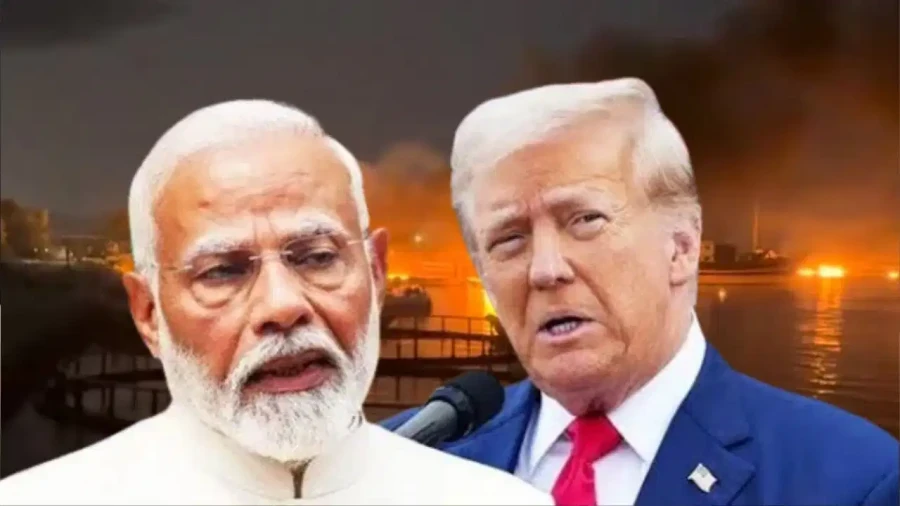
The economic dimension of the relationship also saw recent developments regarding trade tariffs. On July 24, US President Donald Trump imposed a 10 percent tariff on imports from India and 16 other nations as part of a global initiative against goods produced using forced labor. 5 percent. However, Washington decided to reduce the rate to 10 percent after acknowledging recent amendments in New Delhi's foreign trade policy. These amendments explicitly prohibit the import of products made with forced or compulsory labor, demonstrating India's commitment to international labor standards and facilitating a more favorable trade environment with the United States.