
- India,
- 21-Oct-2026 05:59 PM IST



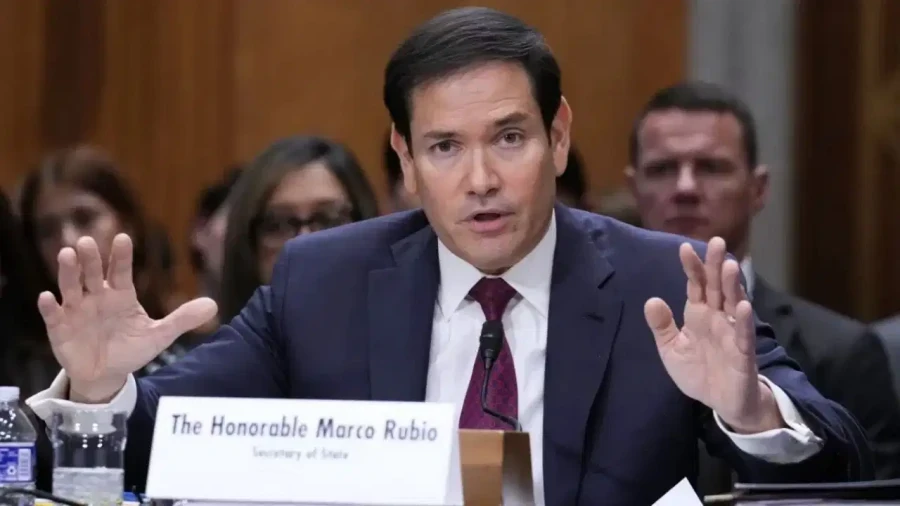
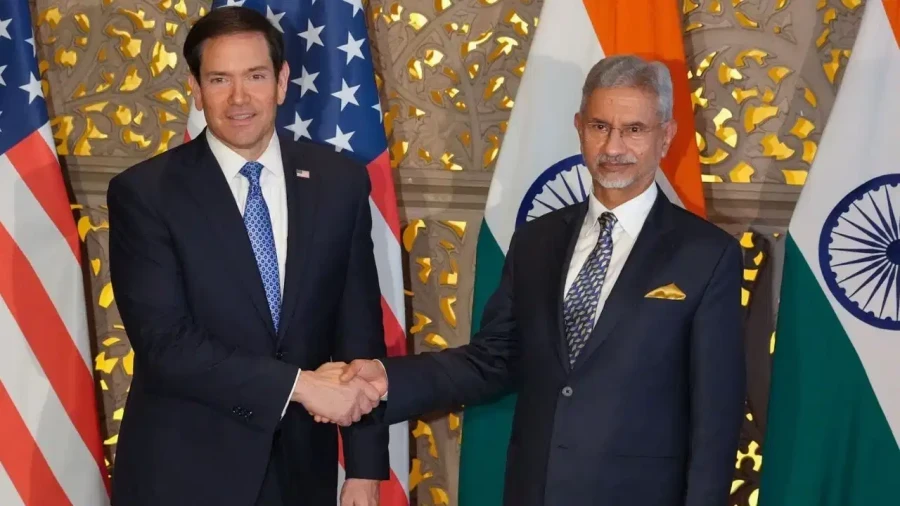
US Secretary of State Marco Rubio on Tuesday openly detailed the reasons behind maintaining diplomatic relations with Pakistan. During an interview, he clarified that while Washington strongly condemns terrorism across the globe, Pakistan possesses nuclear weapons and holds immense strategic geographical importance, making continuous engagement with Islamabad a diplomatic necessity for the United States. Drawing a parallel with India, Marco Rubio stated that just as the Government of India needs to maintain relations with Iran and meet with its leaders, it's similarly crucial for the US to keep channels open with Pakistan.
United States Opposes Terrorism Worldwide
During his interview, Marco Rubio strongly emphasized that the United States is firmly opposed to terrorism anywhere in the world. He stated that Washington stands against all individuals and entities that promote terrorism in any form. This naturally raises the question of why Washington continues its dialogue and diplomatic contact with Pakistan despite bilateral tensions and security concerns. Answering this query in detail, the US Secretary of State pointed to Pakistan's nuclear stockpile and its geographical location, explaining that these factors make maintaining communication absolutely essential.
Helpful in Addressing India's Security Concerns
The US Foreign Minister believes that maintaining continuous dialogue and diplomatic engagement with Pakistan provides the United States with opportunities to curb or discourage activities that deeply concern New Delhi. Taking a positive perspective on the entire situation, he noted that if the US maintains relations with Islamabad and can communicate with them directly, it could Notably help in addressing India's security concerns. According to Rubio, Washington might be able to help prevent actions that worry the Indian government through this diplomatic channel.
Comparison With India and Iran Relations
Elaborating further, Marco Rubio cited India's diplomatic ties with Iran to make his point, while he said that from a geographical perspective, it's necessary for the US to be able to talk and maintain contact with Pakistan, just as the Government of India needs to maintain relations with Iran and interact with its leadership. Rubio highlighted that in the realm of practical diplomacy, nations sometimes have to take steps that might look complex at first glance, but are ultimately essential for broader national interests and regional stability.
Balancing Relationships Under Washington Foreign Policy
Marco Rubio acknowledged that maintaining diplomatic ties with countries despite deep-seated differences is an extremely difficult and challenging task. However, he also clarified that such continuous engagement is mandatory under Washington's broader foreign policy framework. He stated that balancing all these diplomatic aspects is a tough process, but nevertheless, these measures must remain an integral part of American foreign policy. Sustained communication with Islamabad gives Washington an opportunity to put a check on actions and activities that directly threaten or concern New Delhi.
Expanded Scope of Responsibilities After Taking Office
Highlighting the shift in his responsibilities, Marco Rubio explained that his duties and roles have changed completely since assuming the office of the Secretary of State. He's now tasked with managing a much broader and global international agenda for the United States. Expanding on his point, he stated that in his new role, he's no longer a senator, but rather the Secretary of State entrusted with executing America's foreign policy.
Stance on Financial Aid and Terrorism Issues
Marco Rubio made these remarks while responding to questions concerning his past proposals to reduce US financial aid to Islamabad over Pakistan's continued support for terrorism targeting India. He clarified that as the Secretary of State, it's imperative for him to maintain diplomatic relations and communication with other countries, even when the US has profound disagreements with them on certain specific issues. Under this comprehensive perspective, the United States continues to pursue its global priorities and regional strategic partnerships.