

- India,
- 11-May-2026 09:52 AM IST


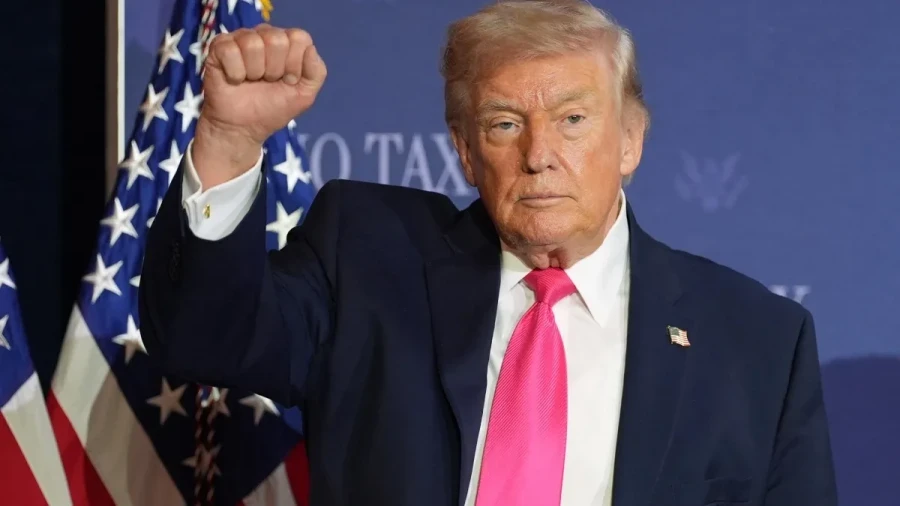
United States President Donald Trump has taken a stern and uncompromising stance against Iran, officially rejecting a proposal aimed at ending the ongoing conflict between the two nations. Describing the offer as "completely unacceptable," Trump signaled that the era of diplomatic maneuvering without consequences has come to an end. The President's remarks underscore a deepening rift that has persisted for decades, with Trump explicitly stating that Iran has been "playing games" with the United States for nearly 50 years. This latest development has dashed hopes for an immediate diplomatic breakthrough in a conflict that has Importantly disrupted global stability and energy markets. S. and Iran show no signs of easing, and following Trump's rejection, a prominent Republican leader has urged the administration to consider military options against Tehran.
Trump's Reaction and the "Truth Social" Statement
The proposal from Iran reached President Trump on Sunday, carrying the weight of expectations that it might provide a roadmap to conclude the hostilities that erupted on February 28. This conflict has not only been a bilateral issue but has also severely impacted the global economy by obstructing critical maritime routes essential for the international oil supply, while the resulting fuel shortages have been felt across numerous countries, adding urgency to the negotiations. However, Trump’s response was swift and public. Taking to his social media platform, "Truth Social," the President expressed his dissatisfaction in no uncertain terms. He wrote that he had just read the response from Iran’s so-called "representatives" and found it to be entirely lacking.
Discussions with Netanyahu and Media Clarifications
In a subsequent interaction with the media outlet 'Axios,' President Trump maintained a firm boundary regarding the specific contents of the Iranian proposal, refusing to disclose the finer details of the document. Despite the secrecy surrounding the text, his assessment remained consistently negative, while he reiterated that the letter was "unfair" and that the overall reaction from the Iranian side didn't meet the standards required for a serious resolution. Trump also revealed that he has been in close coordination with international allies, specifically mentioning a lengthy and detailed conversation with Israeli Prime Minister Benjamin Netanyahu regarding the situation. S. and its partners in addressing Iran's actions.
Calls for Military Intervention and "Project Freedom Plus"
The rejection of the proposal has emboldened voices within the Republican party calling for a more aggressive approach. Senator Lindsey Graham, a prominent Republican leader, has urged President Trump to move beyond diplomacy and seriously consider military options. Graham argued that the time for a change in strategy has arrived, especially in light of the persistent attacks on international shipping and the targeting of American allies. He specifically pointed toward the reactivation of "Project Freedom Plus," a naval operation designed to secure the Strait of Hormuz. Graham’s stance suggests that if Iran continues its perceived "stubborn" behavior, the United States should be prepared to use its naval power to ensure the freedom of navigation and protect its interests in the region.
The conflict, which has been active since February 28, continues to cast a long shadow over the global energy sector. While a ceasefire has been in place since April 8, it has proven to be a fragile arrangement that has not yet transitioned into a permanent peace agreement. The deadlock in negotiations between Washington and Tehran remains the primary obstacle. As the global community watches the situation in the Strait of Hormuz, the lack of progress in these high-stakes talks ensures that the tension remains at a boiling point, with the world's fuel supplies hanging in the balance as the April 8 ceasefire holds but fails to provide a definitive end to the crisis.
