
- India,
- 07-Jun-2026 05:38 PM IST



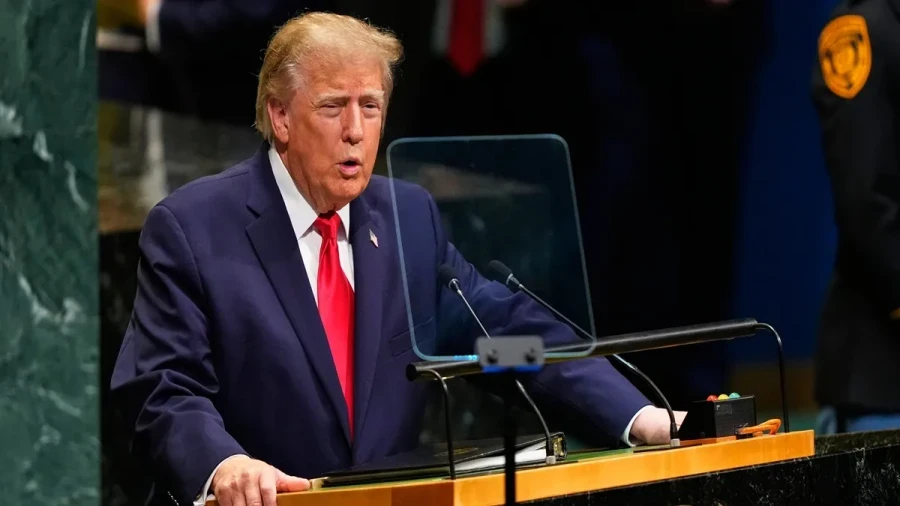
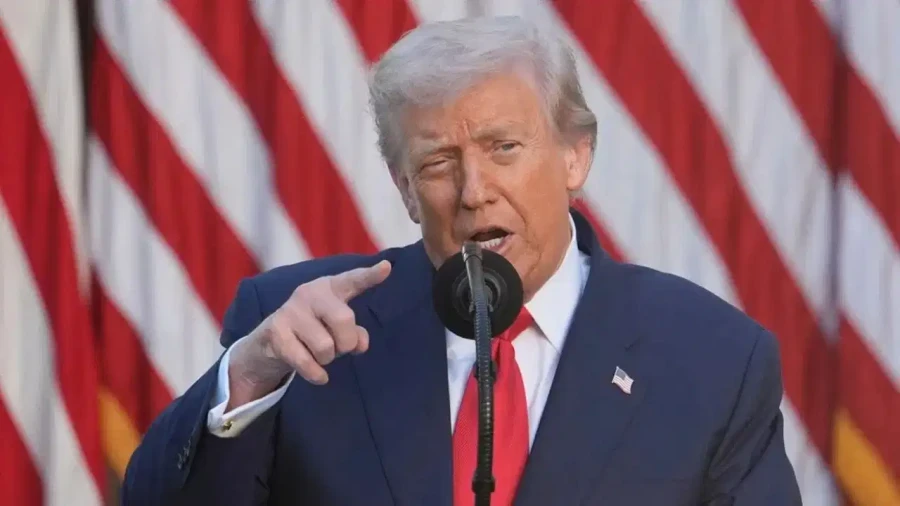
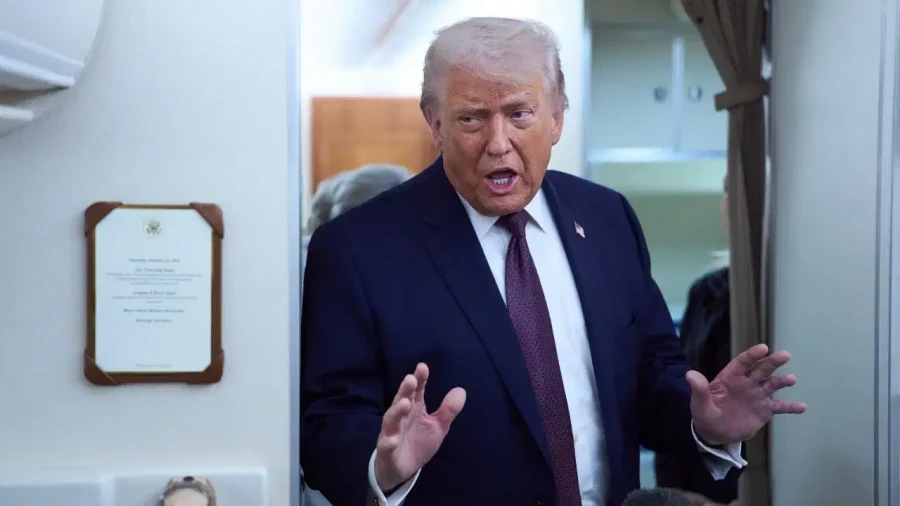
US President Donald Trump has signaled a potential and significant shift in the relationship between the federal government and the rapidly evolving artificial intelligence industry, while during a conversation with reporters aboard Air Force One, Trump indicated that his administration is actively exploring the possibility of the government taking stakes in major AI companies. This strategic move is being considered as part of a broader effort to manage AI regulation, enhance national cybersecurity, and ensure that the United States maintains its leadership position in the face of intense technological competition from China.
A New Partnership with the American Public
President Trump shared that his team is evaluating a unique idea where AI companies would provide the American public with a direct stake in their organizations. He described the concept as quite interesting, suggesting that it could create a formal partnership between the burgeoning AI sector and the citizens of the United States. To further discuss this and other strategic initiatives, Trump mentioned that he might hold a high-level meeting with executives from leading AI firms as early as next week. The goal is to find a balance that allows for innovation while ensuring the public benefits from the immense value these companies are creating.
The possibility of government involvement was first highlighted by the digital news website NOTUS. According to their report, senior officials within the Trump administration have already engaged in preliminary discussions with AI companies regarding this matter. These talks included the potential for the US government to acquire shares, thereby securing a direct stake in the future of these technological giants. While the White House has not yet released specific details regarding the proposed meeting or the mechanics of the potential stakes, the industry is watching closely.
Major Companies and Regulatory Challenges
Several industry leaders have been identified in reports as potential participants in these discussions. The companies that could be involved include:
- OpenAI
- Anthropic
- Facebook (Meta)
- SpaceX
Cybersecurity and National Security Precedents
Following the cancellation of the previous order, a revised version was recently issued, while this new directive requires major AI companies to submit their most advanced and powerful models for government-led cybersecurity testing before they're released to the general public. This step is intended to identify and mitigate potential risks before the technology becomes widely accessible. The urgency surrounding AI regulation is partly driven by the emergence of powerful new tools like Anthropic's Mythos, while experts have expressed concern that if such advanced technology were to fall into the wrong hands, it could be used to launch devastating cyberattacks against critical sectors, including the global banking system.
It's worth noting that the idea of the US government taking a stake in private technology firms isn't entirely without precedent, while the administration has previously made investments in Intel, as well as in various companies specializing in rare earth materials and quantum technology. These moves reflect a growing trend of the government taking a more active role in sectors deemed vital to national security and economic stability, while by considering stakes in AI companies, the administration aims to ensure that the development of this transformative technology aligns with the long-term interests of the American public and the nation's security infrastructure.