

- India,
- 25-Mar-2026 09:03 AM IST


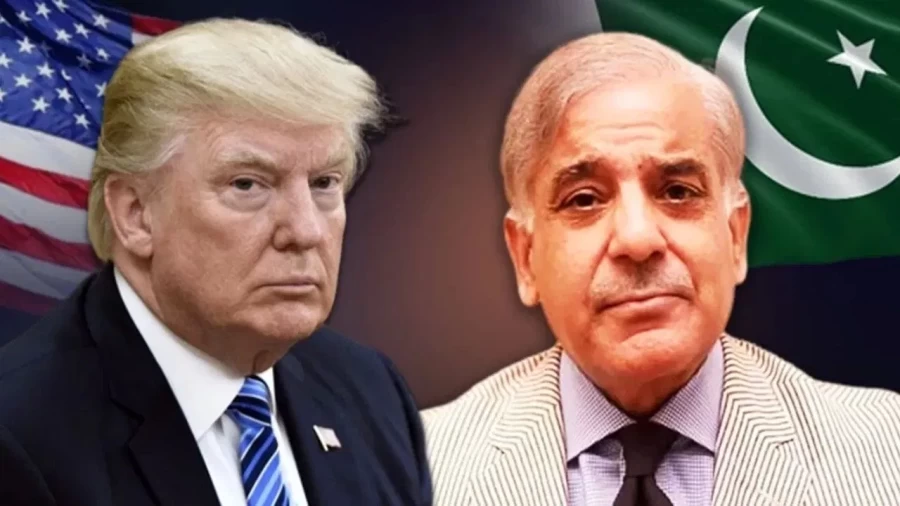
US President Donald Trump has indicated that Pakistan could serve as the venue for potential peace negotiations between the United States and Iran. This development gained momentum after Trump shared a screenshot of an invitation from Pakistani Prime Minister Shehbaz Sharif on his Truth Social account. The move suggests a strategic shift in the administration's approach toward resolving the ongoing conflict in West Asia through diplomatic channels.
The diplomatic outreach began when Prime Minister Shehbaz Sharif posted on the social media platform X, stating that Pakistan is prepared to host and facilitate meaningful talks between the US and Iran. According to officials, Trump’s decision to amplify this invitation within an hour of its posting marks a significant departure from his previous rhetoric regarding military outcomes in the region. This potential meeting in Islamabad is being viewed as a critical step toward de-escalation.
The Social Media Exchange and Official Confirmation
The process was initiated on Tuesday evening when Prime Minister Shehbaz Sharif expressed Pakistan's readiness to act as a mediator. He emphasized that facilitating decisive dialogue is an honor for the country. President Trump’s subsequent sharing of this post on Truth Social has been interpreted by diplomatic observers as a formal acknowledgment of Pakistan's role. While Iran's Foreign Ministry initially expressed skepticism regarding backchannel claims, state-run news agencies later confirmed receiving messages from friendly nations regarding Washington's interest in ending the hostilities through dialogue.
Key Negotiators and Potential Representatives
Reports from US-based media outlets, including Axios, suggest that high-level representatives could meet in Islamabad as early as this week. According to these reports, Trump’s chief negotiator Steve Witkoff and his son-in-law Jared Kushner are expected to lead the American delegation. There are also indications that Vice President-elect JD Vance might participate in these discussions. On the Iranian side, while no official representative has been named, there is significant speculation that Parliament Speaker Mohammad Baqer Qalibaf could represent Tehran in these high-stakes negotiations.
Pakistan's Diplomatic Coordination with Iran
Prime Minister Shehbaz Sharif has confirmed direct communication with Iranian President Masoud Pezeshkian regarding the proposed talks. Simultaneously, Pakistan’s Foreign Minister Ishaq Dar remains in contact with his Iranian counterpart, Abbas Araghchi. According to former diplomatic officials, Pakistan’s military leadership, specifically Chief of Army Staff General Asim Munir, has also played a role in preliminary discussions. Reports suggest that General Munir may have engaged with Witkoff and Kushner approximately two weeks ago to lay the groundwork for this mediation effort, although official confirmation from the military remains pending.
Global Mediation and the Role of Other Nations
Pakistan isn't the only nation involved in attempting to broker peace in the region. Countries such as Saudi Arabia, Egypt, and Turkey are also actively engaged in diplomatic mediation. Qatar has officially stated its support for all international efforts aimed at ending the conflict, while Plus, US Secretary of State Marco Rubio is scheduled to meet with G7 counterparts in France to discuss the Iran situation. This marks Rubio's first international trip since the escalation, highlighting the priority the US administration is placing on coordinating with global allies.
India's Engagement and Domestic Political Reaction
In a related development, President Trump held a telephonic conversation with Indian Prime Minister Narendra Modi on Tuesday. Prime Minister Modi stated that the two leaders exchanged views on the situation in West Asia and agreed on the necessity of restoring peace and stability, while india has maintained a consistent stance on de-escalation and remains in contact with various stakeholders, including the Iranian leadership. However, the development has sparked political debate within India. Opposition leader Rahul Gandhi criticized the government’s foreign policy, suggesting that the mediation role taken by Pakistan reflects a shift in regional influence that warrants scrutiny.
