

- India,
- 21-Nov-2025 01:15 PM IST


The ongoing civil war in Sudan is a devastating conflict pitting the official Sudanese army against the Rapid Support Forces (RSF). This internal strife has plunged the nation into a profound crisis, and amidst the chaos, the United Arab Emirates (UAE) faces serious allegations of indirectly supporting a key faction in the war. The Sudanese government explicitly claims that the UAE is consistently providing weapons to the Rapid Support Forces, thereby fueling and prolonging the conflict.
Allegations of Arms Supply and Gold Smuggling
According to the Sudanese government, the UAE is supplying weapons to the RSF and, in return, receiving smuggled gold. This accusation raises significant international concerns. Reports from Sudan International indicate that in 2024, the Rapid Support Forces allegedly received weapons worth an estimated 150 billion dirhams, with the UAE being directly implicated in this supply. While the United Arab Emirates has denied these allegations, several pieces of. Evidence have emerged for which the UAE has not provided satisfactory answers. This situation further deepens suspicions regarding the UAE's role in the conflict.
International Court Case Filed by Sudan
In light of these grave accusations, Sudan has taken the step of filing a lawsuit against the UAE in the International Court, while this move by the Sudanese government is an attempt to exert pressure on the UAE and draw the attention of the international community to the issue. Such a lawsuit in the International Court can have serious diplomatic and legal ramifications for any nation. Sudan believes that the alleged involvement of the UAE has exacerbated the humanitarian crisis in their country, and they're seeking justice through international legal channels.
UAE's Alleged Role in Global Arms Trade
Reports suggest that the UAE procures weapons from major global powers and then supplies them to the Rapid Support Forces in Sudan. This indicates a complex network where the international arms trade is allegedly being exploited to fuel an internal conflict. With these weapons, RSF fighters are reportedly causing widespread destruction in Sudan, leading to the displacement of millions and the collapse of the nation's economy. There is a growing demand from the international community for greater. Scrutiny and transparency regarding the UAE's alleged role in this destructive cycle.
Gold Mining, Power Struggle, and Economic Incentives
Sudan is a country rich in gold reserves, and these gold mines have historically been a significant factor in the nation's power struggles. Control over gold resources often leads to clashes between various factions. The UAE's alleged interest lies in this Sudanese gold, which reportedly reaches its shores through smuggling. According to local media reports, the UAE gained an estimated $7 billion in profits from smuggled gold in 2024. This figure suggests that gold smuggling serves as a substantial economic incentive for the UAE, potentially motivating its alleged involvement in Sudan's internal affairs.
Saudi Arabia's New Strategy and US Involvement
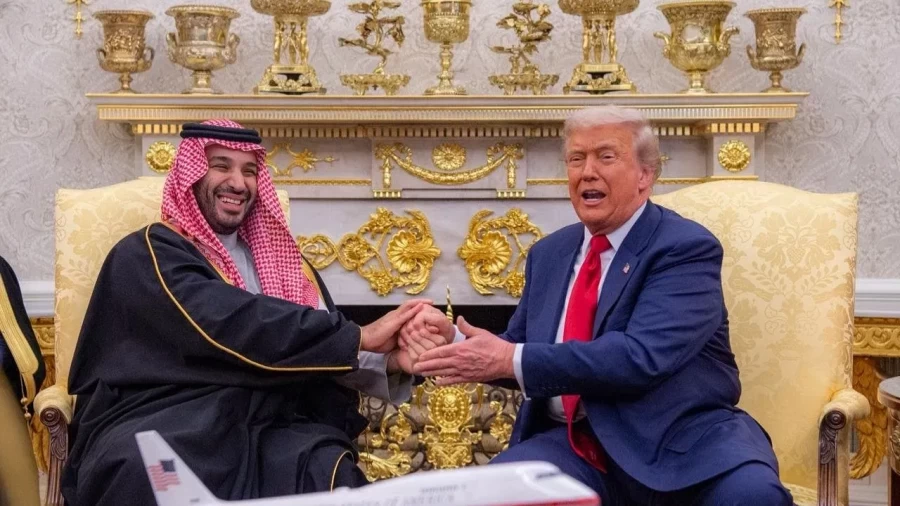
In a recent development, Saudi Arabia has introduced the United States into the Sudan civil war, a move that could Notably alter the dynamics for the UAE. Saudi Arabia, a major regional power, has likely sought to influence the regional balance of power and potentially diminish the UAE's influence through this action, while the involvement of the US in this conflict, especially in the context of former President Donald Trump's potential return, could create considerable difficulties for the Rapid Support Forces.
Impact of Trump's Entry on UAE's Influence
The entry of Donald Trump into the equation could weaken the position of the Rapid Support Forces, as US intervention often brings with it military and economic pressure, while this could lead to a curtailment of support for the RSF and restrictions on their activities. The direct consequence for the UAE would be a potential reduction in the amount of smuggled gold it receives due to the RSF's weakened state, thereby limiting its political and economic influence in Sudan. This development signals a significant shift in regional geopolitics, where the Sudanese civil war is no longer. Merely an internal matter but has become intertwined with the interests of several regional and global powers.
