
- India,
- 11-Jun-2026 07:43 AM IST



The geopolitical situation in the Middle East has taken a volatile turn as tensions between the United States and Iran escalated into direct military action. The United States launched a series of fresh airstrikes targeting multiple regions across Iran, marking a significant intensification of the ongoing conflict. Following these aerial operations, reports of massive explosions emerged from several key locations in southern Iran, including Sirik, Minab, Bandar Abbas, Qeshm Island, and Gorgan. These strikes represent a direct military intervention by American forces against Iranian infrastructure and strategic points in response to what the US describes as persistent aggressive activities.
Trump Issues Stern Warning and Call for Negotiation
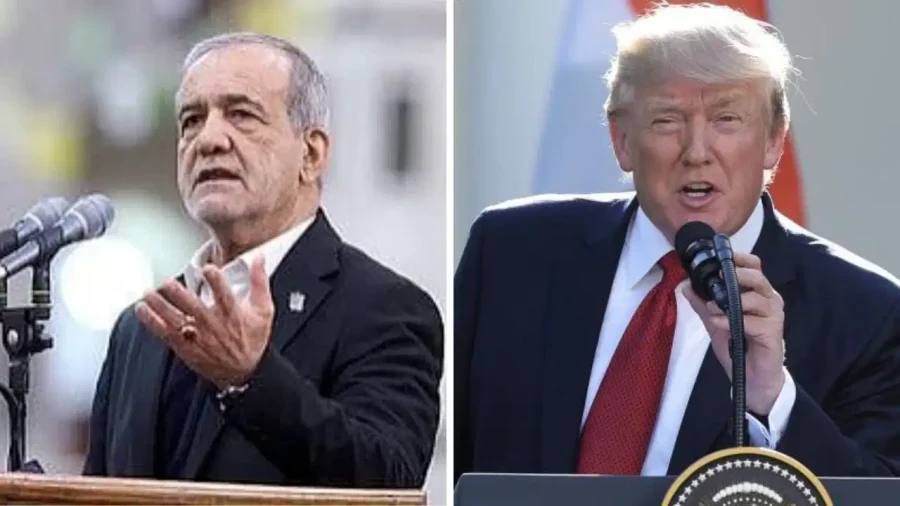
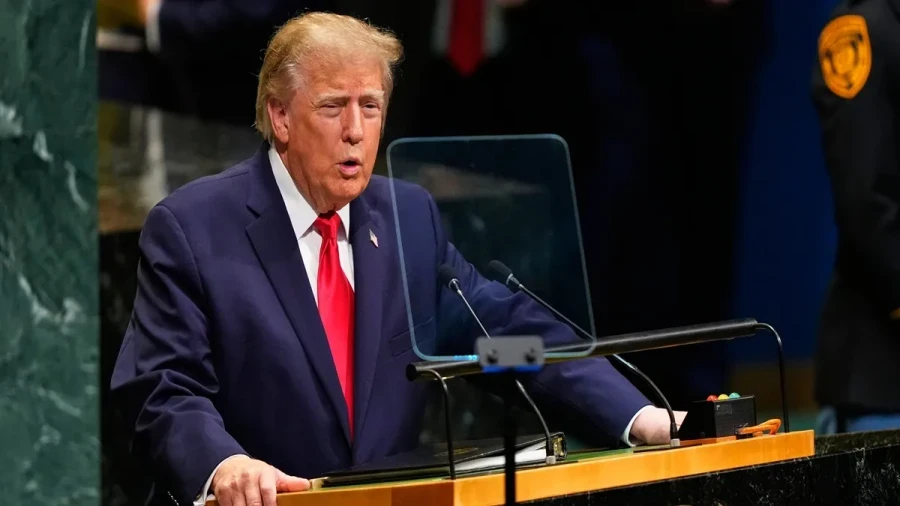
Just hours before the reports of these strikes surfaced, US President Donald Trump addressed the situation, indicating that the United States is prepared to launch even more severe attacks on Iran if necessary. President Trump stated, "We attacked yesterday and we will attack today. " Despite the aggressive military stance, Trump also extended an appeal to Iran to reach a diplomatic agreement or a deal to de-escalate the situation. His comments suggest a dual-track approach of military pressure combined with an opening for negotiations, provided Iran alters its current course of action.
CENTCOM Operations and Defense Department Confirmation
US Defense Secretary Pete Hegseth provided further insight into the military operations, noting that the United States Central Command (CENTCOM) would be heavily engaged in a major operation throughout the night. Subsequently, CENTCOM officially confirmed that, acting under the orders of the President, additional strikes were carried out against various Iranian targets. The US administration has characterized these actions as a necessary response to Iran's persistent and aggressive activities in the region, framing the strikes as a defensive and retaliatory measure to ensure regional stability from their perspective. The military command emphasized that these operations were precisely targeted to degrade Iranian capabilities.
Iran Retaliates and Targets Regional Airbases
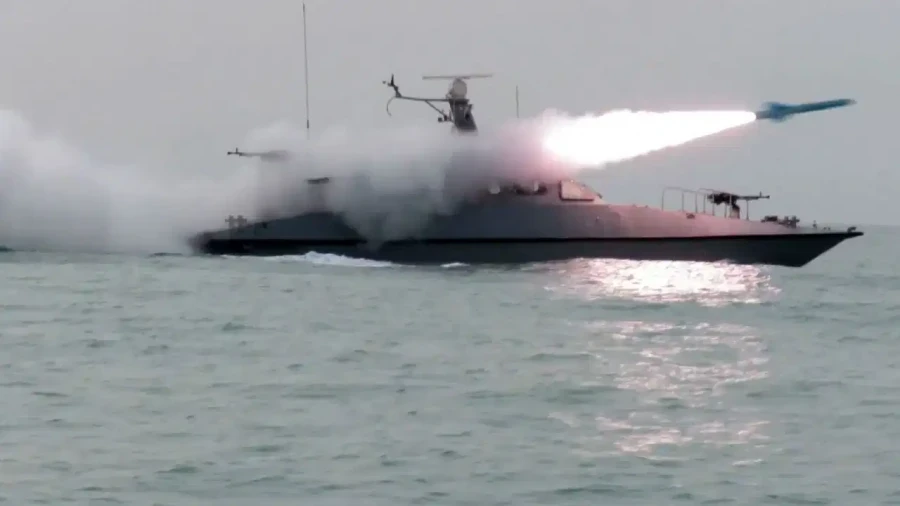
In the wake of the American airstrikes, Iran's Islamic Revolutionary Guard Corps (IRGC) launched its own retaliatory measures. The IRGC claimed to have attacked two vessels that were attempting to navigate through the Strait of Hormuz, while Also, the IRGC asserted that it had successfully targeted 18 critical locations in a counter-attack. These targets reportedly included a strategic airbase in Bahrain and two separate airbases located in Kuwait, while this expansion of the conflict zone to include neighboring countries' facilities indicates a significant risk to regional security and international maritime interests, as Iran seeks to demonstrate its reach and retaliatory capacity.
Closure of the Strait of Hormuz
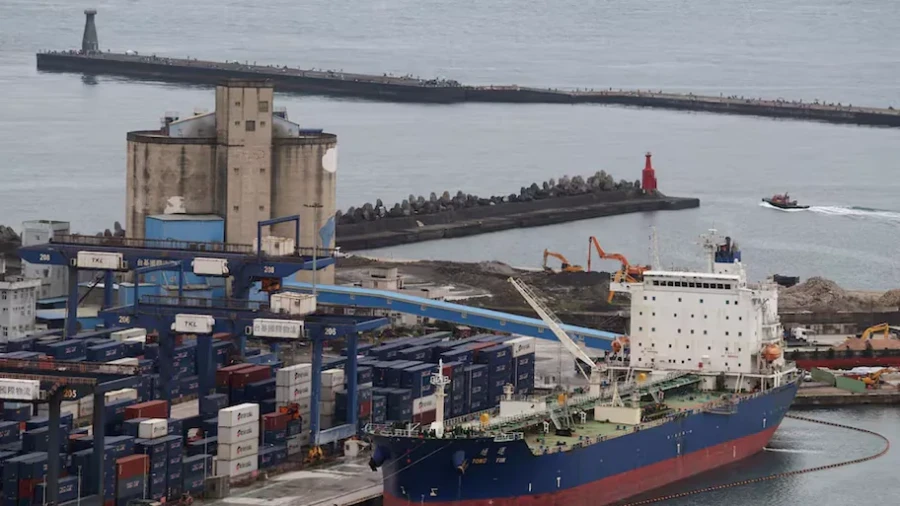
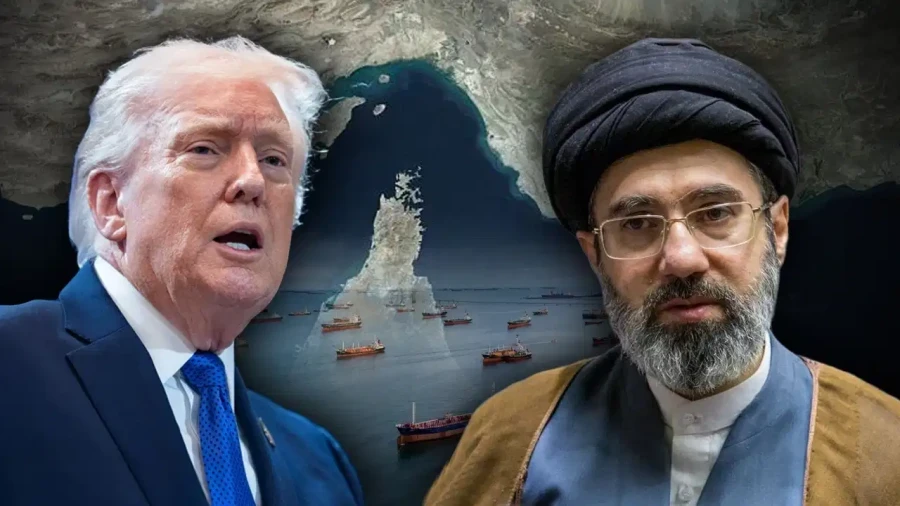
In perhaps the most significant strategic move following the strikes, Iran announced the total closure of the Strait of Hormuz. The Iranian Joint Military Command issued a formal declaration stating that no oil tankers, cargo ships, or any other vessels would be permitted to pass through this vital maritime corridor. Iran issued a stern warning that any vessel attempting to defy this closure and transit through the strait would be targeted. While Iran dismissed American claims of safe passage in the area, asserting that the situation isn't secure, US Central Command maintained that some commercial vessels are still managing to navigate the route despite the Iranian threats.
Dispute Over Diplomatic Contact
Amidst the military exchanges, a diplomatic dispute has emerged regarding potential communication between the two nations. President Trump told Fox News that Iranian officials had reached out to him, requesting a halt to the ongoing bombardment. Trump suggested that the strikes could conclude soon but reiterated that the US wouldn't hesitate to act again if required. He also clarified that Israel wasn't involved in these specific military actions. However, Iran has vehemently denied these claims. Iranian state media reported that no official from Tehran has made contact with Trump, labeling his assertions as entirely false and fabricated, further deepening the trust deficit between the two nations.