
- India,
- 16-Jun-2026 08:40 AM IST



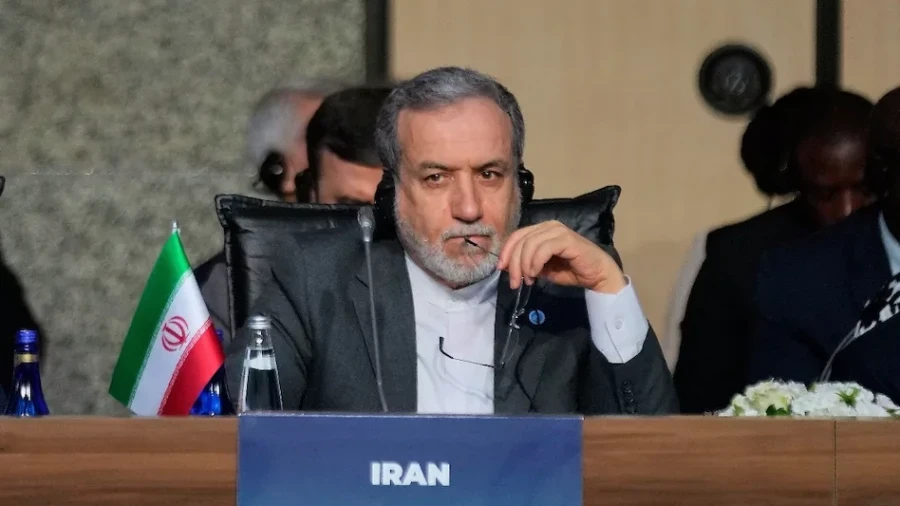
The announcement of a peace agreement between the United States and Iran, following a period of intense confrontation lasting more than three months, is expected to bring substantial relief to the Indian economy. This diplomatic breakthrough is anticipated to lower energy costs, improve trade conditions, and provide a significant boost to exports in the West Asia region. If successfully implemented, the agreement is projected to reduce the pressure on India's import bill, alleviate inflation concerns, and create a more favorable environment for sustained economic growth.
The Geneva Agreement and Global Impact
This historic peace treaty is scheduled to be signed on June 19 in Geneva. The United States and Iran have reached a consensus to end their 107 day old conflict, which had severely disrupted global energy supplies. During the peak of the tensions, crude oil prices had surged above 100 dollars per barrel, raising fears of a massive regional crisis in West Asia. The resolution of this conflict is seen as a stabilizing factor for the global market.
Relief for India's Energy Dependency
According to the economic think tank GTRI, India stands to benefit immensely from this deal due to its heavy reliance on West Asia for crude oil, LPG, and LNG supplies. The agreement is expected to provide relief from high energy prices, reduce pressure on the Indian rupee, and mitigate the inflation risks that escalated during the conflict, while ajay Srivastava, the founder of GTRI, stated that the deal brings immediate economic relief to India, highlighting that the country secures approximately 50 percent of its crude oil imports, nearly 70 percent of its LPG supplies, and about 90 percent of its LNG imports from the West Asian region.
Stabilizing the Supply Chain
During the conflict, disruptions in shipping from the Gulf region led to an increase in India's energy import costs and heightened inflationary pressures. This situation weakened the rupee and forced Indian refiners to seek alternative supplies from distant markets. Srivastava noted that the reopening of the Strait of Hormuz will play a crucial role in stabilizing the global energy market. This development is expected to ease the pressure on oil and gas prices, strengthen the rupee, and support India's overall economic outlook. Commerce Secretary Rajesh Agarwal also commented on the situation, stating that if the peace agreement remains stable and proves to be sustainable, many trade-related challenges could be Notably reduced.
Trade Dynamics with Gulf Countries
India maintains a solid trade relationship with the GCC countries. Major exports from India to this region include engineering goods, refined petroleum products, food and agricultural products, cereals, rice, meat, and seafood. Also, India exports gems and jewelry, chemicals, pharmaceuticals, textiles, and machinery, while on the other hand, the primary imports from the Gulf region consist of crude oil, LNG, LPG, petrochemicals, fertilizers, plastics, aluminum, and other mineral fuels. The peace deal is expected to streamline these trade flows.
Market Reaction and Rupee Appreciation
Financial markets responded positively to the announcement of the US-Iran peace deal. Oil prices witnessed a decline, equity markets showed signs of recovery, and the Indian rupee strengthened. Concerns regarding supply disruptions through the Strait of Hormuz eased, leading to a sharp drop in Brent crude prices. By June 15, Brent crude prices fell by approximately 5 percent to settle around 83-84 dollars per barrel, marking its lowest level in nearly three months, down from previous trading levels of around 87 dollars per barrel.
The reduction in oil prices directly reduced the pressure on India's import bill, which in turn strengthened the Indian rupee against the US dollar, while 7 percent in a single session on Monday. 11.