
- India,
- 21-Aug-2026 11:55 AM IST



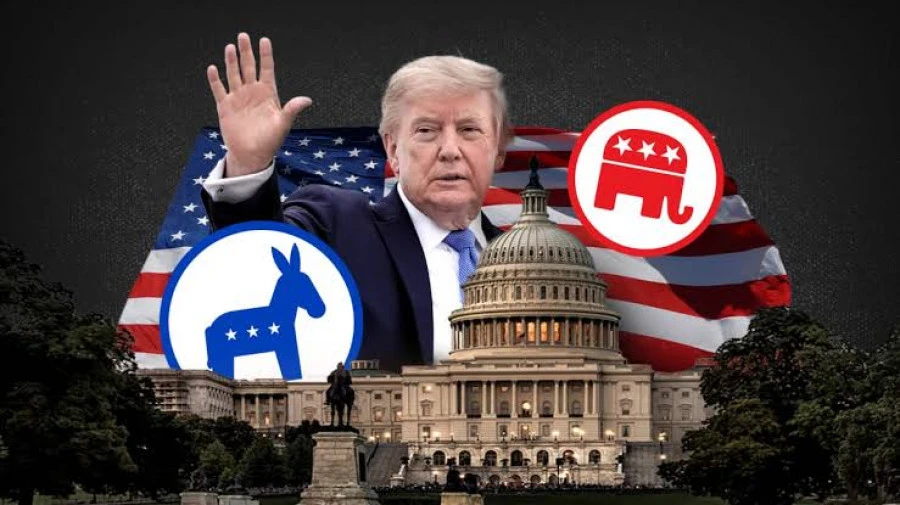
A significant transformation is unfolding within the landscape of United States political funding. Historically, Wall Street, oil conglomerates, and pharmaceutical giants were considered the primary engines of political donations. However, as the 2026 midterm elections approach, a new breed of Gen Alpha companies—spanning cryptocurrency, artificial intelligence (AI), and online betting—is emerging as the dominant force in political spending. This shift indicates a changing power dynamic where digital economy giants are becoming the new kingmakers in American politics.
Record-Breaking Expenditures for 2026 Midterms
According to a report by Reuters, American corporations have already set a new record for political spending ahead of the 2026 House and Senate elections. Within a 15 month period ending at the close of the first quarter, these companies have spent 517 million dollars. This figure has already surpassed the previous record of 461 million dollars set during the entire 2024 election cycle. Experts anticipate even larger increases in spending as the November elections draw closer.
The Dominance of Three Key Sectors
Data from Public Citizen reveals that three specific sectors—cryptocurrency, technology, and online gaming—have collectively injected at least 294 million dollars into election politics from January 1, 2025, through the first quarter. The primary motivation behind this massive influx of capital is to support candidates and policies that favor less stringent regulations for these industries. By backing specific political figures, these companies aim to shape a regulatory environment that's conducive to their growth and operations.
The Role of Super PACs and Dark Money
To channel these vast sums of money, companies in the crypto, tech, and online gaming sectors have heavily utilized Super PACs, affiliated PACs, and so-called dark money organizations. These entities are capable of raising unlimited amounts of money, which can then be spent on political advertisements, voter mobilization campaigns, and rallies. While these organizations are prohibited from giving money directly to candidates or coordinating their spending with them, their influence on the electoral process is profound due to the sheer volume of resources they can deploy.
High-Profile Individual and Corporate Donors
The report highlights several high-profile donors who are leading this spending surge. Elon Musk, the founder of SpaceX, has already spent over 90 million dollars for the 2026 federal elections. Similarly, Google co-founder Sergey Brin has spent more than 106 million dollars on state-related issues in California, including a proposed wealth tax. Meta has also made significant contributions, providing 65 million dollars to four different Super PACs that support candidates from both political parties in states such as California, Texas, Illinois, and others.
The Success of the 2024 Crypto Model
The current spending strategy is largely modeled after the success seen by cryptocurrency firms during the 2024 elections. Major industry players like Coinbase, Ripple, and the investment firm Andreessen Horowitz funneled significant funds through the Fairshake Super PAC. This strategy proved so effective in influencing political outcomes that other industries, including AI, Big Tech, and sports betting, are now adopting the same blueprint to secure their interests.
Projected Political Advertisement Spending
6 billion dollars. 2 billion dollars set during the 2023-24 election cycle. This massive financial commitment underscores the high stakes involved in the upcoming elections and the determination of these new industries to have their voices heard.
A Shift in the Balance of Power
The increasing involvement of crypto, AI, and online betting companies in the 2026 US midterm elections is a clear signal of a shifting balance of power in American politics. While Wall Street and oil companies once held the title of the most influential political donors, billionaires and corporations born from new technology and the digital economy are now taking center stage. This evolution reflects the growing importance of these sectors in the global economy and their desire to ensure that the political landscape remains favorable to their innovative and often disruptive business models.