
- India,
- 05-Oct-2026 12:12 PM IST
- (Updated 05-Oct-2026 12:13 PM IST)



A wave of concern has swept through the Siberian region of Russia following the sudden death of a laboratory worker at a specialized research facility. The incident, which occurred at the Anti-Plague Research Institute located in Shelekhov, near Irkutsk, has triggered fears of a potential plague outbreak. The deceased, identified as a 28 year old woman, was an employee at the institute, which is known for its critical work on some of the world's most dangerous and infectious diseases. According to reports from the state news agency TASS, the death has prompted immediate action from health authorities to prevent any possible spread of infection.
Details of the Incident and Institutional Response
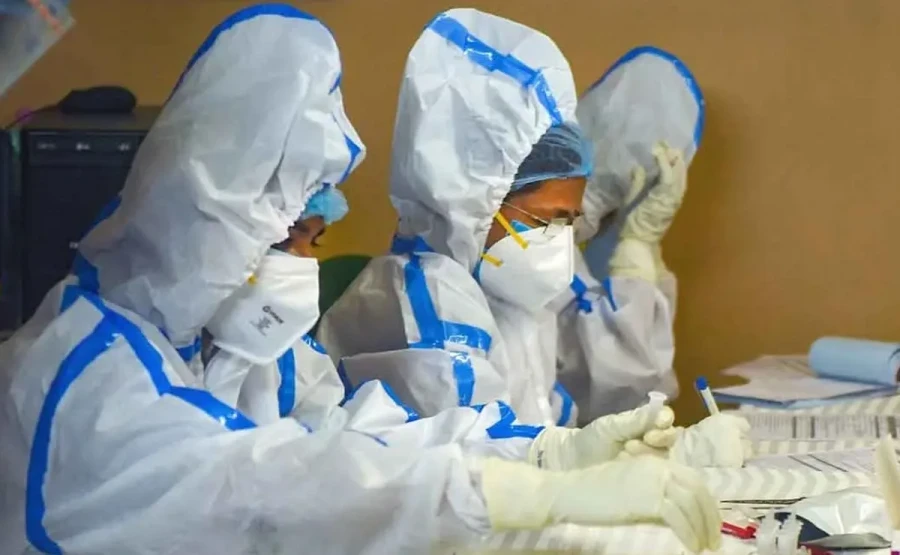
The Russian federal health monitoring agency, Rospotrebnadzor, has officially stated that the laboratory worker succumbed to pneumonia of unknown origin. The progression of the illness was reportedly rapid, with the pneumonia's impact increasing until it led to her untimely death. Given the nature of the facility where she worked—the Anti-Plague Research Institute in Shelekhov—the possibility of a highly contagious pathogen being involved couldn't be ignored. As a direct consequence and a precautionary measure, approximately 200 employees who work at the laboratory have been placed under quarantine. This move is intended to isolate any potential carriers and monitor them for symptoms of the disease.
Official Statements and Public Reassurance
In the wake of the incident, an emergency meeting of the local anti-epidemic council was convened to assess the situation. Igor Kobzev, the Governor of Irkutsk, addressed the public to prevent widespread panic. He urged residents to remain calm, stating that there is no reason for alarm. Governor Kobzev explained that the meeting was called specifically after a suspected case of a highly dangerous infection was reported in a resident of the region. Despite these official assurances, the nature of the death has kept the possibility of pneumonic plague at the forefront of public concern. Rospotrebnadzor has emphasized that the current health situation in Irkutsk city and Shelekhov remains stable.
Precautionary Measures in the Surrounding Area
The impact of the incident has extended beyond the research institute. In Shelekhov and its vicinity, various precautionary steps have been implemented, while an industrial aluminum facility located near the research center has instructed its employees to use face coverings as a safety measure. Artem Fominikh, the head of the Irkutsk Aluminum Plant, has also stepped forward to advise the public to remain calm amidst the ongoing speculation. He acknowledged that many rumors and varying reports are circulating, which has contributed to a growing fear of a potential lockdown among the local population. However, Russian officials continue to stress that the public health environment is being closely monitored and remains under control.
Medical Surveillance and Expert Opinions
Gennady Onishchenko, who leads Rospotrebnadzor, has shared his perspective on the situation, suggesting that the Siberian pathogen responsible for the death might not be the plague, while he further noted that even if the plague were to be verified, the disease wouldn't necessarily spread. Currently, individuals who were in close contact with the deceased are under strict medical supervision. Authorities have reported that none of these individuals are showing any symptoms of the disease at this time, and their laboratory test results have come back negative. This medical monitoring is a critical part of the strategy to ensure that any potential outbreak is contained immediately.
Understanding the Nature of the Plague
The plague is a serious infectious disease caused by the bacterium Yersinia pestis. One of its most severe forms is pneumonic plague, which specifically targets the respiratory system. This type of plague is highly contagious as it can be transmitted from person to person through respiratory droplets expelled when an infected individual breathes or coughs. The primary symptoms associated with this condition include high fever, headache, general weakness, difficulty breathing, chest pain, and a persistent cough. The research conducted at the Shelekhov institute is vital for identifying and managing such deadly pathogens, which is why the death of a worker there has caused such significant alarm.