

- India,
- 29-Mar-2026 05:03 PM IST


A massive wave of civil unrest has swept across the United States as approximately 8 million citizens took to the streets for the 'No Kings Rally' on Saturday. According to media reports and organizational data, the protests spanned more than 3,300 locations across all 50 states, marking one of the largest coordinated demonstrations in recent American history. The rallies were aimed at expressing widespread dissatisfaction with the current administration's domestic and foreign policy directions, drawing participants from diverse socio-economic backgrounds.
Scale and Scope of the National Protests
Organizers of the 'No Kings' movement reported a significant escalation in participation compared to previous events. The latest figures indicate that nearly 1 million more people joined this rally than the previous one held in October 2025. Also, the number of organized events increased by approximately 600, reaching into small towns and major metropolitan areas alike. From New York City to Los Angeles, the scale of the mobilization reflects a growing organizational capacity among advocacy groups and grassroots activists opposing the administration's current trajectory.
Core Grievances: Iran, Immigration, and Inflation
The protesters highlighted three primary areas of concern that have fueled the national movement. A significant portion of the anger is directed toward escalating military tensions with Iran, which many fear could lead to a large-scale conflict. Also, the administration's stringent immigration enforcement measures have drawn sharp criticism from civil rights groups. On the economic front, persistent inflation and the rising cost of living have become central themes of the protest. Demonstrators carried placards targeting both President Trump and Vice President JD Vance, calling for a reversal of executive policies or their resignation from office.
Timeline of the 'No Kings' Movement
This event marks the third national-scale protest against the Trump administration since mid-2025. The movement first gained significant momentum in June 2025 with its inaugural national rally. This was followed by a second major protest in October 2025, which saw a steady increase in turnout. The March 28 demonstrations represent the culmination of months of planning and mobilization. According to organizers, the frequency and size of these rallies indicate a sustained level of public engagement regarding constitutional governance and executive authority.
Response from the White House and President Trump
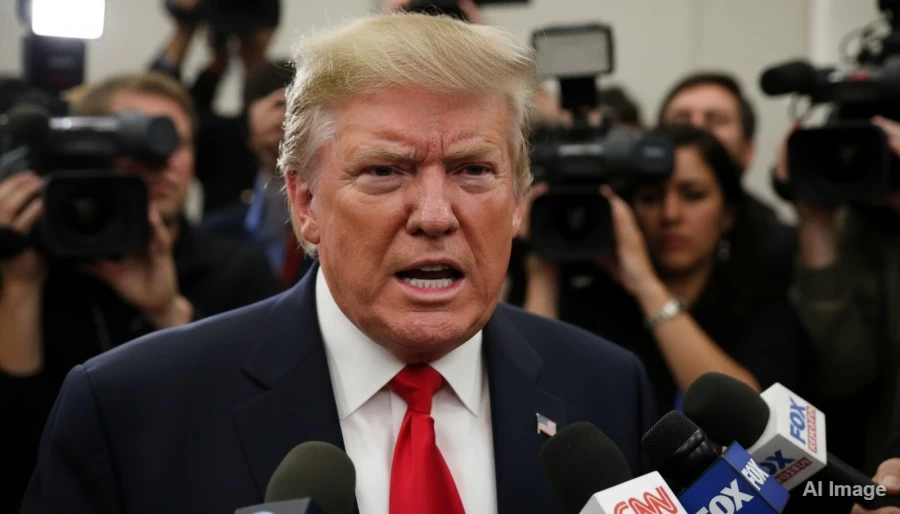
The White House has maintained a dismissive stance toward the demonstrations, characterizing them as 'therapy sessions' for political opponents, while administration officials stated that the protests don't reflect the sentiments of the broader American electorate and won't alter the government's policy agenda. President Trump addressed the situation by defending his administration's actions as necessary steps to strengthen the nation's economy and security. He explicitly rejected the 'No Kings' narrative, stating that he isn't acting as a monarch and that his decisions are within the framework of his constitutional mandate.
Global Solidarity and International Rallies
The anti-administration sentiment extended beyond the borders of the United States, with solidarity protests occurring in several major international cities. In Europe, significant gatherings were reported in London, Paris, and Lisbon. Protesters in these cities echoed the concerns of their American counterparts, particularly regarding global security and foreign interventionism. These international events underscore the global attention focused on US domestic policy and its perceived impact on international stability and democratic norms.
