

- India,
- 29-Mar-2026 07:53 AM IST


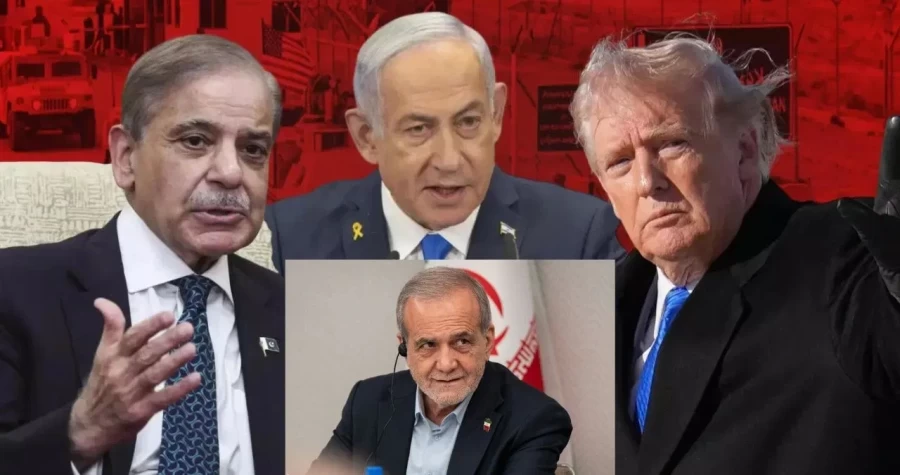
The capital city of Pakistan, Islamabad, is hosting a critical two-day diplomatic summit aimed at mediating the ongoing conflict between Iran and the United States. Initiated by Pakistan's Prime Minister Shehbaz Sharif, the talks seek to address the escalating military tensions that have disrupted global trade and regional security. According to official reports, the primary focus of these discussions is to find a diplomatic resolution to the hostilities and ensure the reopening of the strategic Strait of Hormuz. The initiative comes at a time when the Middle East faces unprecedented instability due to direct military engagements involving regional and international powers.
Key Participating Nations and Diplomatic Representatives
According to reports from AFP, the Pakistani government has invited top diplomats from Saudi Arabia, Turkey, and Egypt to participate in the mediation process. These representatives are expected to arrive in Islamabad on Sunday to begin discussions aimed at ending the conflict. Pakistan's Foreign Minister, Ishaq Dar, is leading the diplomatic efforts on behalf of the host nation. The inclusion of major regional players like Saudi Arabia and Turkey is seen as a strategic move to provide international legitimacy to the talks. The diplomats will engage in multiple rounds of discussions over Sunday and Monday to draft a framework for de-escalation.
Speculation Over US and Iranian Representation
There is significant speculation regarding the level of direct participation from the United States and Iran. Reports from CNN suggest that US Vice President JD Vance might lead the American delegation in these talks. However, Tehran has expressed skepticism regarding direct negotiations with US special envoys, citing a deep-seated mistrust following the failure of previous diplomatic attempts. While the Pakistani government has not officially confirmed the specific Iranian officials attending the summit, it has been verified that messages are being relayed through Islamabad. The challenge remains to bring both primary adversaries to a common negotiating table.
Pakistan's Role in Regional De-escalation Efforts
Prime Minister Shehbaz Sharif has taken a proactive role in this mediation, reportedly holding an extensive telephonic conversation with Iranian President Masoud Pezeshkian prior to the summit. Sharif emphasized that the confrontation between Iran and the US has far-reaching consequences for the global economy. Pakistan aims to position itself as a neutral mediator capable of bridging the gap between Tehran and Washington. While the Iranian President welcomed Islamabad's efforts, Foreign Minister Abbas Araghchi has voiced concerns over what he termed as "contradictory actions" by the US, urging for a complete cessation of all hostilities before formal agreements can be reached.
Previous Failed Proposals and Current Deadlock
The current talks in Islamabad follow a series of failed diplomatic exchanges between the two nations. Previously, US Special Envoy Steve Witkoff presented a 15-point agenda to Iran, which included strict limits on its nuclear program and conditions for reopening international waterways. Iran rejected this proposal, countering with a 5-point plan that demanded reparations and official recognition of its sovereignty over strategic maritime routes. The Islamabad summit will attempt to revisit these proposals and find middle ground, while although Tehran has not officially acknowledged direct talks with Washington, reports indicate that responses to US ceasefire proposals have been channeled through Pakistani intermediaries.
Military Escalation and Strategic Concerns in the Region
Despite the diplomatic push in Islamabad, military tensions on the ground remain high. Approximately 3,500 US Marines and sailors have been deployed to the region aboard naval vessels, marking what officials describe as the largest US military presence in the area in over two decades. US Secretary of State Marco Rubio stated that Washington remains committed to achieving its objectives, while Iran has issued warnings against increased foreign military activity. The two-day summit in Islamabad represents a critical attempt to prevent further military escalation through high-level diplomatic engagement among regional stakeholders.
