

- India,
- 29-Mar-2026 04:37 PM IST


The military standoff between Washington and Tehran appears to be entering a more volatile phase as the US Pentagon evaluates options for sustained ground operations within Iranian territory, while after a month of aerial engagements and missile exchanges that have yet to yield a decisive strategic outcome, military planners are reportedly drafting contingencies that involve significant troop deployments. These developments signal a potential shift from containment and surgical strikes to a more direct form of military intervention, aimed at neutralizing specific threats that can't be addressed from the air alone.
Scope and Scale of Proposed Ground Deployment
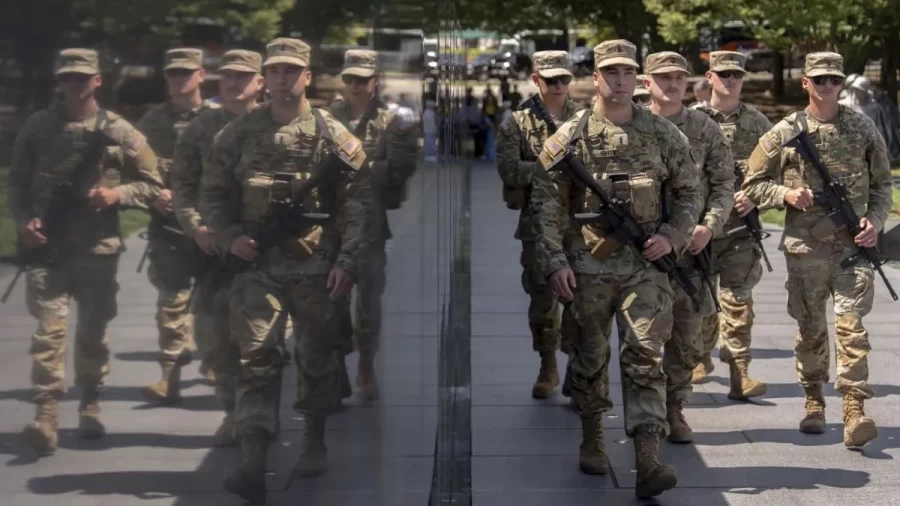
According to reports citing US officials, the Pentagon is developing options that could involve the deployment of more than 17,000 troops. These plans, while falling short of a full-scale invasion, describe high-intensity operations that could last for several weeks or even months. The proposed force would likely consist of a combination of Special Operations Forces and regular infantry units, while the primary objective of such a deployment would be to conduct targeted raids and establish temporary control over key military installations. Officials emphasize that while these plans are being finalized, they remain part of a broader menu of options provided to the Commander-in-Chief.
Strategic Focus on the Strait of Hormuz
A central component of the proposed ground strategy involves the coastal regions and islands situated near the Strait of Hormuz. Military strategists believe that seizing and holding strategic islands controlled by the Islamic Republic is crucial for ensuring maritime security and exerting pressure on Tehran’s naval capabilities. The plan includes extended raids in these coastal areas to disrupt the IRGC's ability to launch asymmetric attacks on international shipping. However, experts have noted that maintaining a physical presence on these islands would expose US personnel to significant risks, potentially leading to higher casualty rates than those seen in the conflict thus far.
Official Response from the White House
The White House has maintained a cautious stance regarding these reports, stating that President Donald Trump has not yet signed off on any specific ground operation. A spokesperson clarified that the Pentagon’s role is to provide the President with 'maximum options' for any given scenario, and the existence of a plan doesn't equate to an imminent order for execution. The administration continues to weigh the geopolitical consequences of a ground incursion against the military necessity of degrading Iran's capabilities. Internal discussions are reportedly focused on the duration of such operations and the potential for regional escalation.
IRGC Threats and Regional Security Warnings
In response to reports of US military preparations, the Islamic Revolutionary Guard Corps (IRGC) has issued stern warnings to US interests across the Middle East. 0 kilometer away from campuses. This includes prominent institutions in Qatar and the United Arab Emirates. The Iranian leadership has signaled that any ground-based aggression by US forces would be met with a comprehensive regional response, potentially involving its network of allied militias and direct missile strikes against US bases in neighboring countries.
Current Conflict Status and Casualty Toll
The conflict, which has now spanned over a month, has already resulted in significant losses. Official reports indicate that 13 US service members have been killed and over 300 have been injured since the hostilities began. On the Iranian side, strikes have hit various locations, including the University of Science and Technology northeast of Tehran, causing structural damage. As the US considers escalating to ground operations, the humanitarian and military costs remain a primary concern for international observers. The situation remains fluid, with both sides reinforcing their positions as diplomatic channels remain largely inactive.
