
- India,
- 28-Jun-2026 08:11 AM IST



The United States military has intensified its operations in the Middle East, launching a series of air strikes against multiple Iranian targets in the Strait of Hormuz. This significant military action, ordered by President Donald Trump, comes as a direct response to what Washington describes as a blatant violation of a fragile interim ceasefire agreement by Tehran. The escalation follows an attack on a commercial oil tanker, which has pushed the already strained relations between the two nations to a breaking point.
The Catalyst: Attack on M/T Kiku
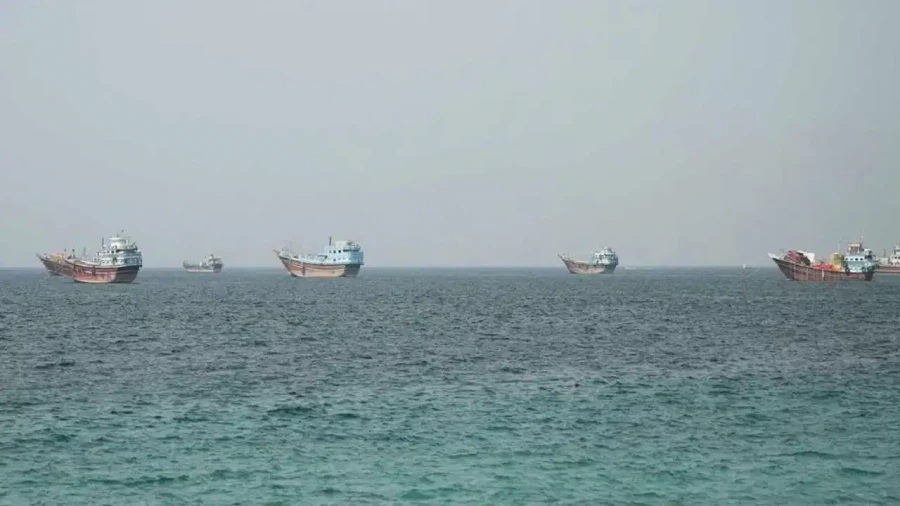
According to the United States Central Command (CENTCOM), the latest round of hostilities was triggered by an Iranian one-way attack drone that struck the M/T Kiku, a Panama-flagged oil tanker, early Saturday morning. The vessel was navigating through the strategic Strait of Hormuz, carrying a massive cargo of more than 2 million barrels of crude oil. The incident occurred at approximately 4:30 AM ET, marking a direct challenge to the maritime security of one of the world's most vital trade routes.
CENTCOM emphasized that Iran had been given an opportunity to respect the ceasefire agreement following previous US strikes on Friday. However, the drone attack on the M/T Kiku demonstrated Tehran's choice to escalate tensions rather than de-escalate, while the US military stated that the Iranian forces failed to honor the peace deal, leading to the immediate authorization of retaliatory measures by the White House. Reports from Axios indicate that this was the second consecutive day of military action against Iranian positions despite the recent truce.
Strategic Targets and Military Response
In a swift and calculated response, the US military targeted several key Iranian military assets. The strikes were aimed at degrading Iran's ability to monitor and disrupt commercial shipping. Specifically, the targets included military surveillance infrastructure, communication systems, air defense sites, drone storage facilities, and mine-laying capabilities. By neutralizing these assets, the US aims to ensure that commercial vessels can continue to pass through the Strait of Hormuz without interference.
A statement from CENTCOM reaffirmed the military's stance, saying, "Commercial shipping continues to transit the Strait of Hormuz. " Meanwhile, Iranian state broadcaster IRIB reported hearing explosions near the southern city of Sirik. Military sources in Iran suggested that these blasts were linked to projectiles hitting a telecommunications tower, though detailed information regarding casualties or the full extent of the damage wasn't immediately available.
A Pattern of Escalation
This latest military engagement is part of a broader cycle of violence that began earlier in the week. On Friday, the US had already conducted strikes against Iranian missile and drone storage sites, as well as coastal radar installations. Those actions were a response to an alleged Iranian drone attack on June 25 involving the M/V Ever Lovely, a Singapore-flagged cargo ship, also in the Strait of Hormuz. Washington has characterized these operations as a firm response to unprovoked Iranian aggression against international commerce.
The interim ceasefire, which was intended to provide a cooling-off period, now appears to be in jeopardy. The US has accused Tehran of repeatedly violating the terms of the Memorandum of Understanding (MOU) signed earlier this month. The situation has reached a critical juncture where diplomatic efforts are being overshadowed by military maneuvers. The command stated that the unprovoked aggression by Iranian forces against commercial shipping clearly violated the ceasefire, and the US will continue monitoring the trade route to ensure compliance.
Political Warnings and Future Outlook
The political leadership in Washington has taken a hardline stance. Vice President JD Vance issued a stern warning to Tehran via a post on X. He stated, "Iran signed a ceasefire agreement. We've honored it. If they've a disagreement on how the MOU is being implemented, they can call. " This sentiment reflects the administration's approach, indicating that any further provocations will be met with significant force.
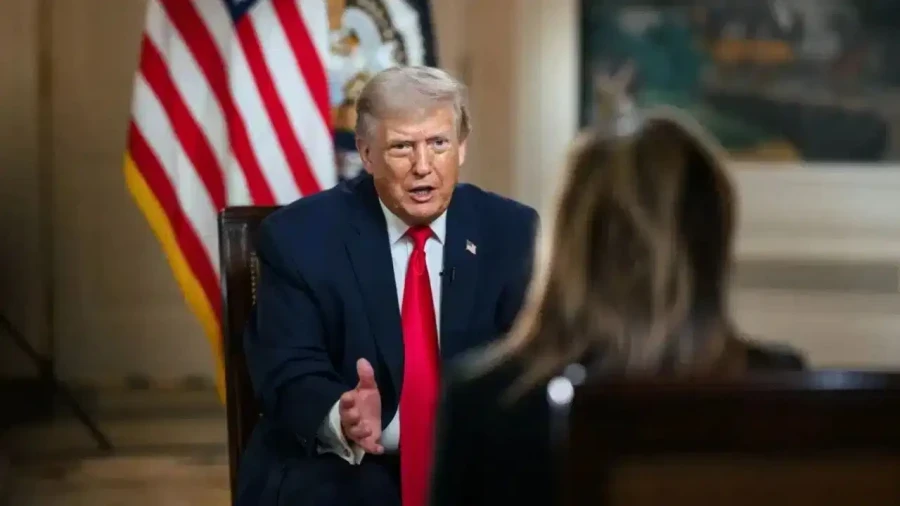
President Donald Trump himself had hinted at the possibility of such actions. " The subsequent strikes confirm that the US is prepared to use its military might to protect its interests and international shipping lanes. As the situation develops, the international community remains on high alert, fearing that the collapse of the ceasefire could lead to further regional instability.