

- India,
- 14-Apr-2026 09:03 AM IST


Tensions between the United States and Iran have reached a critical point following the collapse of diplomatic negotiations in Islamabad. In a direct military response, the United States has commenced a naval blockade of Iranian vessels attempting to navigate through the Strait of Hormuz, while this strategic move follows the expiration of a deadline regarding maritime access in the region, marking a significant escalation in the Middle East conflict.
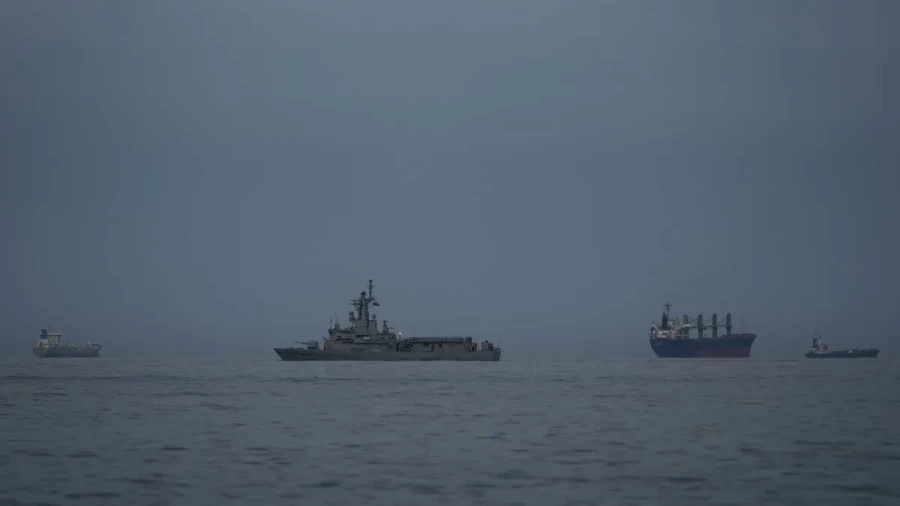
Deployment of 15 US Navy Warships
Under the direct orders of President Donald Trump, the US Navy has positioned 15 warships in the eastern sector of the Strait of Hormuz. The primary objective of this deployment is to intercept and prevent oil tankers departing from Iran from reaching international waters. President Trump has explicitly stated that the American Navy will enforce this blockade strictly, targeting Iran's primary economic lifeline—its oil exports.
JD Vance Labels Iran's Actions as Economic Terrorism
US Vice President JD Vance has accused Iran of engaging in 'economic terrorism' by attempting to disrupt global maritime traffic in the Strait of Hormuz, while speaking to Fox News, Vance emphasized that President Trump has made it clear that the US will match Iran's provocations. He warned that if Iran continues its current course of action, the United States will ensure that no Iranian vessel is permitted to exit the strategic waterway, effectively sealing their maritime borders.
Trump Claims Success Amid Iranian Warnings
Following the initiation of the blockade, President Trump claimed that 34 ships successfully transited the Strait of Hormuz yesterday under the protection of the US Navy. ' Conversely, Mohammad Bagher Ghalibaf, the Speaker of the Iranian Parliament, warned that any blockade of the Strait would have repercussions far beyond oil supplies, potentially destabilizing global markets on a massive scale.
Pakistan Proposes Second Round of Mediation
Despite the failure of the initial talks, Pakistan has formally offered to host a second round of negotiations between the US and Iran in Islamabad. Pakistani officials, speaking on condition of anonymity, stated that the offer remains open should both parties agree to resume dialogue. They characterized the first round not as a failure, but as a component of an ongoing diplomatic process aimed at de-escalation. Meanwhile, UN Secretary-General Antonio Guterres has called for the immediate restoration of the freedom of navigation for all vessels.
Global Diplomatic Response from Russia and China
The international community is closely monitoring the situation, with Russia and China engaging in high-level discussions. Russian Foreign Minister Sergey Lavrov held a telephonic conversation with Iranian Foreign Minister Abbas Araghchi to emphasize the importance of preventing a full-scale armed conflict. Simultaneously, Pakistani Foreign Minister Ishaq Dar consulted with Chinese Foreign Minister Wang Yi to share insights from the Islamabad talks, highlighting the shared concern of regional powers regarding the potential for further military escalation.
