

- India,
- 11-Jul-2025 08:40 PM IST


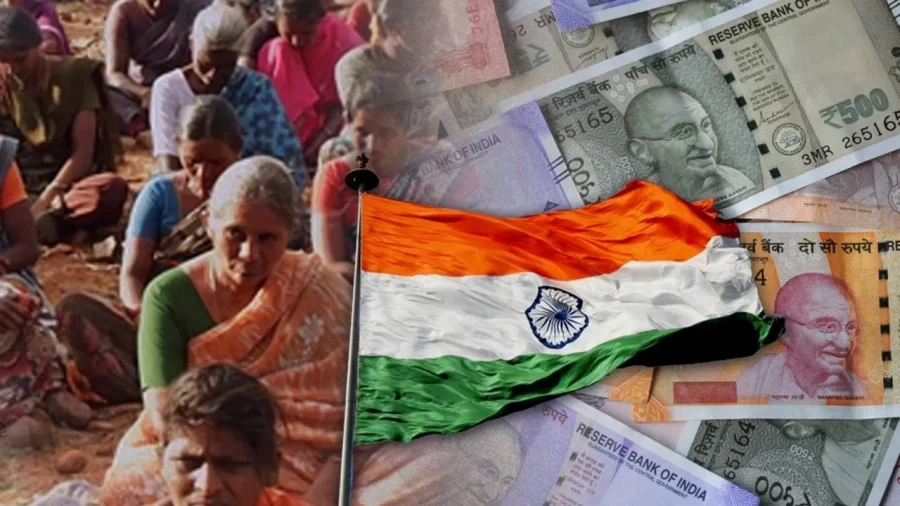
Indian Population: Once considered India's biggest strength, its young population is now slowly becoming a new challenge. The country that was proud of being a "young nation" is now facing the question: Will India grow old before it becomes rich? The figures of declining fertility rate, increasing average age and rapidly increasing elderly population tell the story of this change. This change is ringing alarm bells not only on the social but also on the economic front. The question is, will India be able to prepare for this change in time, or will increasing age put a brake on its economic pace?
India's changing demography: In the words of figures
For a long time, India presented its young population as its strength. With 65% of the population being below 35 years, the country was expected to benefit from "demographic dividend" i.e. more working population, higher production and faster economic growth. But recent figures paint a new and worrying picture:
The birth rate (births per 1,000 population) is set to fall from 21.4 in 2013 to 19.1 in 2022.
The birth rate in urban India has fallen from 17.3 to 15.5.
The average age is now 69.9 years, 20 years higher than in 1970-75.
By 2050, India's population over 60 years of age could be around 350 million, equal to the current total population of the US.
These figures show that India is rapidly becoming an ageing country. The pace of population growth is slowing, while life expectancy is increasing. This change is a major challenge for India's economic and social policies.
Economic impact: challenges and threats
The increase in elderly population and declining birth rate can affect India's economy in several ways:
1. Decrease in workforce, increase in expenditure
Low birth rate means that the working population will decrease in the future, while the dependent population will increase. This will have a direct impact on productivity and GDP growth. Fewer people will work, which may slow down the pace of economic growth.
2. Increasing pressure on healthcare
According to a report by NITI Aayog, 75% of the elderly are suffering from some disease, and 70% are dependent on others for their basic needs. As the elderly population increases, the pressure on healthcare infrastructure will increase. The government and private sector will have to invest heavily due to increased demand for hospitals, doctors and medical facilities.
3. Burden on pension and social security system
Currently only 18% of the elderly in India have health insurance, and 78% do not get any pension. If the government increases pension and social welfare schemes in the future, there is a risk of increasing the fiscal deficit. This can be a major risk to economic stability.
4. Changes in infrastructure and housing
Keeping in mind the needs of the elderly, investment in areas such as senior-friendly homes, better medical facilities, and public transport systems adapted for the elderly will be necessary. These new expenditures will become a part of the government's economic policies.
What will India have to do?
- News agency Bloomberg has given some important suggestions to make India's demography the basis of economic progress. These include:
- Urbanisation: Promote rapid urbanisation, so that better employment and facilities are available in cities.
- Infrastructure: Invest in infrastructure like roads, electricity, and digital connectivity.
- Up-skilling: Equip the youth with the skills needed for the future.
- Broadening Labour Force: Include women and rural population in the workforce.
- Boosting Manufacturing: Further strengthening campaigns like Make in India.
Abhishek Gupta, Senior India Economist at Bloomberg Economics, says, "India is young, English-speaking, and its growing labor force is giving impetus to campaigns like Make in India. Global political-economic conditions are also in India's favor." If India makes the expected progress in these areas, it can capitalize on its population advantage and give a new shape to the global economy.
Opportunity in Challenge: Rise of Silver Economy
A new market is emerging even in this demographic crisis, which is being called Silver Economy. According to NITI Aayog, India's home healthcare market can reach $21.3 billion by 2027. Sectors like senior care technology, medical devices, pension fund management, and retirement homes are likely to grow rapidly. The elderly population can also become a new target market for health insurance companies.
Need to take timely steps
India faces a unique challenge. On the one hand, its young population is still the engine of economic growth, but on the other, a rapidly growing elderly population is affecting future plans. If India invests in time in healthcare, pension systems, and infrastructure, as well as promotes urbanization, skill development, and manufacturing, it can turn this challenge into an opportunity. But if these issues are ignored, aging can slow down India's economic growth. The question is, is India ready for this change? The answer will depend on the country's policies and action plans in the coming decades.
