
- भारत,
- 23-Aug-2026 07:45 PM IST



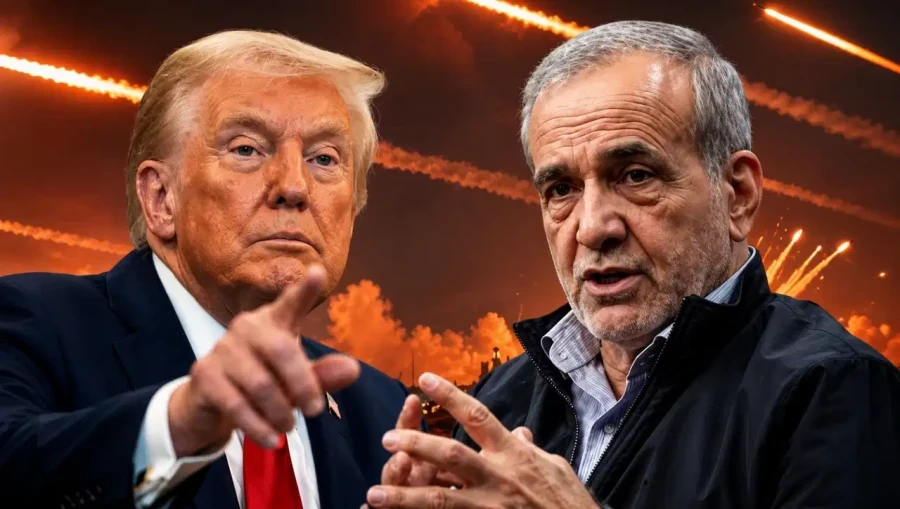
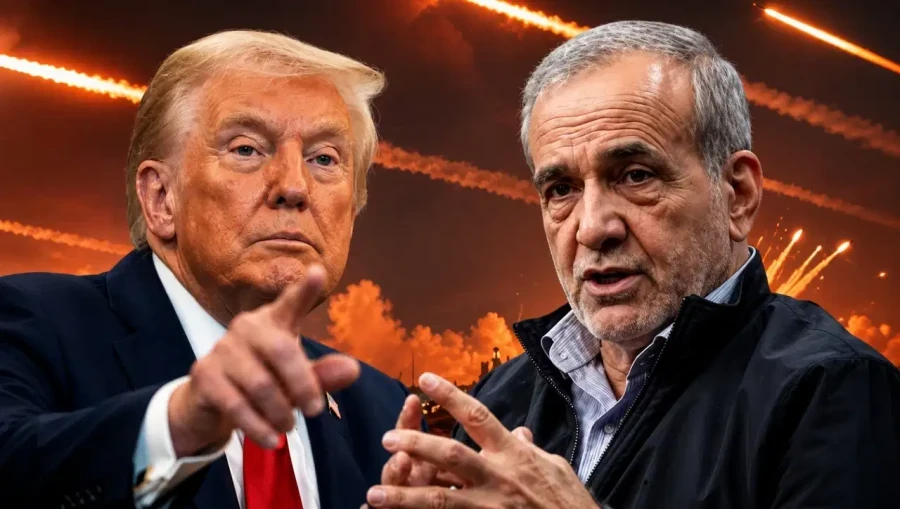
Iranian President Masoud Pezeshkian has lauded the courage and strength of the Iranian people amidst the ongoing and intensifying conflict with the United States. During a significant address marking the beginning of Government Week, the President emphasized that while the United States had anticipated outcomes for Iran similar to those seen in Venezuela, the nation instead stood firm and faced the onslaught with bravery. Pezeshkian highlighted that the resilience shown by the citizens has transformed the country into a formidable force that has surprised the global community through its resistance, solidarity, and unity, while he noted that the people of Iran have achieved something truly remarkable by maintaining their integrity in the face of immense external pressure.
The Resilience Against Economic Warfare
The Iranian President's speech, which was broadcast by the state-run Press TV on Sunday, underscored the failure of foreign attempts to destabilize the nation's core. Pezeshkian stated that the intention of the US was to turn Iran into a second Venezuela, but the reality turned out to be quite different. This sentiment was echoed by the Iranian Foreign Ministry spokesperson, Esmaeil Baghaei, who remarked that war and sanctions aren't unique or new experiences for Iran. Baghaei pointed out that the country has been navigating the complexities of international sanctions for over 2 decades, suggesting a level of national endurance that remains unshaken despite the prolonged economic challenges.
A Call for National Unity
In his address, President Pezeshkian issued a strong call for national solidarity. He urged the citizens and the leadership to stand together in the face of what he described as the enemy's total economic war. Drawing parallels to the cooperation seen during previous conflicts involving the US and Israel, he stressed the importance of mutual support and assistance. The President emphasized that if the nation acts with wisdom and maintains empathy, no power can force them into submission or leave them helpless. He reiterated the necessity of following the path laid out by the country's leadership to ensure that Iran remains on its intended trajectory despite the hostilities currently prevailing in West Asia.
Escalating Tensions Over the Strait of Hormuz
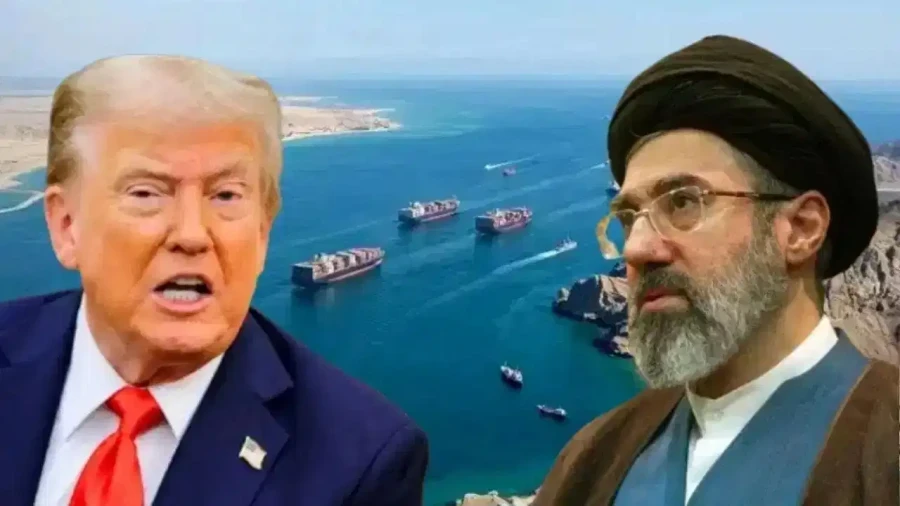
The friction between Washington and Tehran reached a new high on Sunday following provocative claims made by US President Donald Trump. Trump shared an image on his Truth Social platform that depicted the strategically vital Strait of Hormuz as a NEW US Territory. This follows a series of similar assertions, including a graphic shared on August 18 and a speech delivered on August 14 at a police academy meeting in Long Island. During that meeting, Trump explicitly stated his intention to declare the Strait of Hormuz as United States territory in the near future. Iran has responded by reiterating its stance that this critical maritime corridor will remain closed to those who don't respect its sovereignty, emphasizing that the United States must change its approach before any normalization can occur.
Tehran Rejects Washington's Territorial Claims
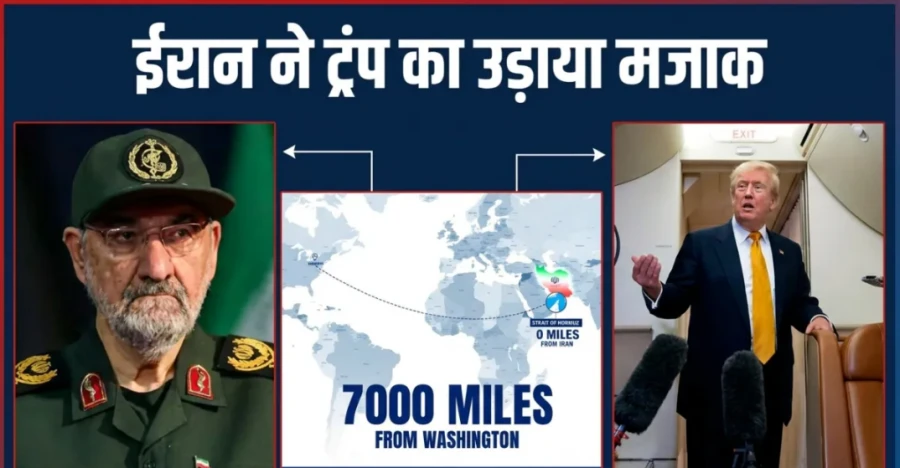
The claims made by the US administration regarding jurisdiction over the waterway have been met with sharp criticism from high-ranking Iranian officials, while mohsen Rezaei, the Secretary of Iran's Supreme National Security Council, dismissed the territorial claims as baseless. Rezaei pointed out the absurdity of the situation, noting that the gap between the US's inability to reopen the Strait and its claims of ownership is even wider than the 7000 mile distance separating Washington from the waterway. He further remarked on the changing geopolitical landscape, welcoming the US to what he termed the post-US order in the Persian Gulf. This rhetorical exchange occurs as the US prepares further economic measures targeting Tehran, which are expected to deepen the financial confrontation between the two nations.
Economic Implications and Global Trade
Iran has condemned the upcoming punitive measures from Washington, warning that such steps threaten to inflict further damage on its economy. The Iranian government highlighted that these sanctions could also impact its key trading partners, while specifically, the focus remains on China, which continues to be the primary importer of Iranian crude oil. The potential for these financial clashes to disrupt global trade routes and energy markets remains a point of concern, as both nations continue to hold their ground in this long-standing geopolitical struggle, while the Iranian leadership remains firm that their economic resilience will continue to thwart the objectives of the sanctions regime.