

- India,
- 25-Jan-2026 09:27 AM IST


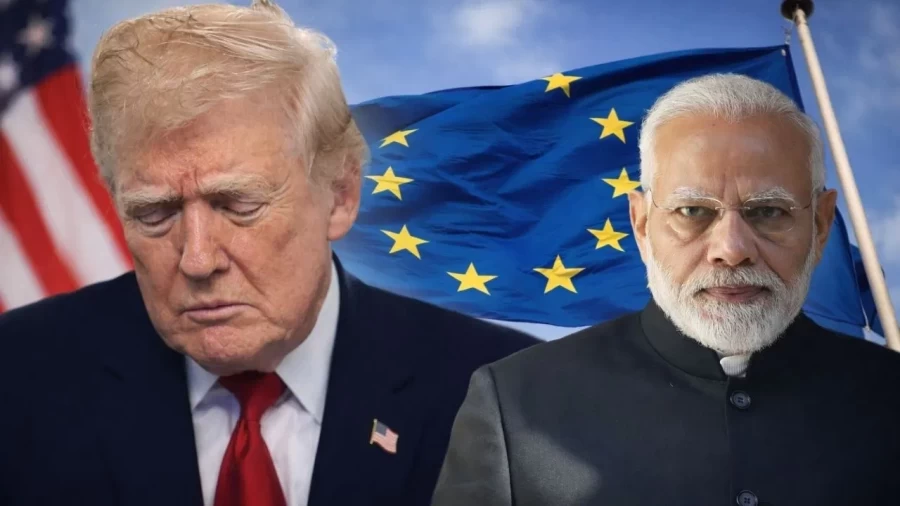
A significant shift in global geopolitics has emerged as 27 European nations have stood firmly by India, defying pressure from the United States. The U. S. administration had planned to impose strict sanctions and joint tariffs on India for its continued purchase of Russian oil. However, the European Union (EU) has flatly refused to cooperate, prioritizing a landmark trade deal with New Delhi over Washington's geopolitical agenda.
Europe's Strategic Defiance
The conflict centers on India's import of Russian crude oil, which the U. S. has been trying to curb to weaken Russia's economy. U. S. Treasury Secretary Scott Bessent recently revealed that the U. S, while urged European allies to impose joint tariffs on India. To Washington's surprise, the EU countries declined. Bessent criticized this move, labeling it an act of 'hypocrisy,' but for the EU, the stakes are purely economic. The upcoming Free Trade Agreement (FTA) between India and the EU is considered a. 'deal of a lifetime,' and European leaders are unwilling to jeopardize it for American interests.
The Russian Oil Loophole
The U, while s. has accused Europe of a double standard. While Europe supports Ukraine and sanctions Russia, it continues to buy refined petroleum products from India. India imports raw Russian crude, processes it in domestic refineries, and exports the finished products to Europe. Bessent argued that by purchasing this oil, Europe is indirectly funding the very conflict it seeks to end, while despite these accusations, the EU remains committed to its partnership with India, recognizing the country as a vital economic counterweight in Asia.
U.S. Softens Stance on Tariffs
Following the EU's refusal and a observed decline in India's Russian oil imports in early 2025, the U. S, while has signaled a potential softening of its position. Currently, India faces a total of 50% tariffs in certain sectors, including a 25% penalty specifically linked to Russian oil purchases. Bessent indicated that since major Indian refiners like Reliance Industries have reduced their intake of Russian crude, the U. S. is now considering rolling back these additional tariffs. This move is seen as a tactical retreat by Washington to maintain its own strategic ties with India.
Future Challenges and India's Sovereignty
While the immediate threat of joint sanctions has subsided, challenges remain. Republican Senator Lindsey Graham has proposed a staggering 500% tariff on the resale of Russian oil products. However, India has consistently maintained that its energy policy is dictated by national security and the needs of its 1. 4 billion citizens, not by external pressure, while the support from 27 EU nations marks a significant victory for Indian diplomacy, proving that India's economic importance is now a shield against superpower pressure.
