
- India,
- 25-May-2026 11:24 PM IST



India is a land of diverse climates, which allows for the cultivation of various exotic fruits that many people might assume are only found in East Asian countries. While most Indians are familiar with seasonal staples like mangoes and bananas, there is a whole world of tropical flavors originating from East Asia that are now being grown right here in India. These fruits aren't only unique in their appearance and taste but are also packed with essential nutrients that make them a fantastic addition to any diet. If you're someone who loves exploring new culinary experiences or has a penchant for international produce, these four exotic fruits are a must-try for their distinct flavors and health-boosting properties.
Durian: The King of Fruits with a Unique Aroma
When discussing East Asian fruits, the Durian is often the first to come to mind. Originally from Thailand, the Durian is famously known as the King of Fruits across Southeast Asia. It's easily recognizable by its large size and thorn-covered husk, while while it's notorious for its pungent and unusual smell, which some find off-putting, its nutritional profile is incredibly impressive. Durian is a powerhouse of various vitamins and healthy fats, making it a highly valued fruit for those seeking a nutrient-dense snack. In India, this exotic fruit is cultivated in the southern regions, particularly in states like Tamil Nadu and Kerala. On top of that, it can also be found in some northeastern states such as Tripura and Assam, where the climate is conducive to its growth.
Rambutan: The Exotic Cousin of Lychee
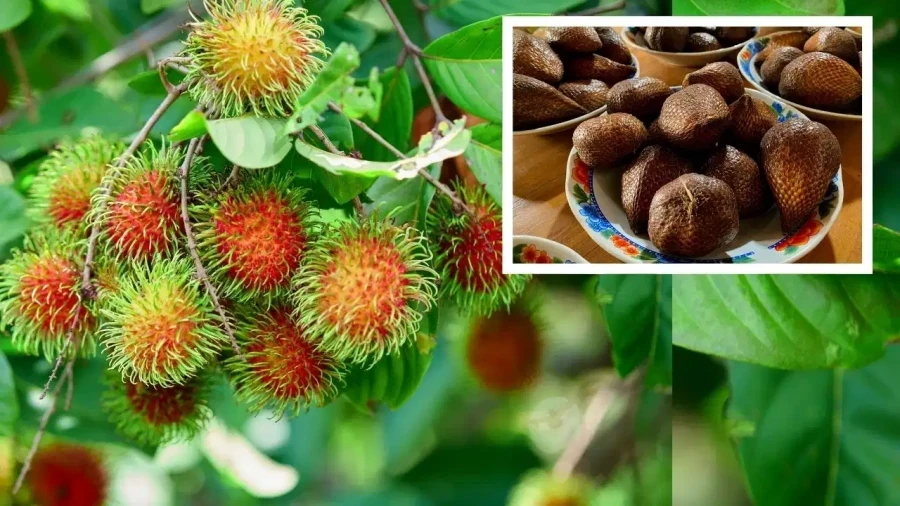
Another fascinating fruit that bears a striking resemblance to the Indian seasonal favorite, lychee, is the Rambutan. Its name is derived from the Malay word for hair, referring to the soft, hair-like spines that cover its red skin. Once peeled, the Rambutan reveals a juicy, pulpy white flesh that's very similar to lychee in both texture and taste, while this fruit is highly regarded for its high Vitamin C content, which is essential for immune health. Also, Rambutan is considered a very hydrating fruit, making it an excellent choice for staying refreshed during warmer months. Its sweet and slightly acidic flavor profile makes it a popular choice for those who enjoy tropical fruits and are looking for a nutritious alternative to common local varieties.
Yuzu: The Japanese Citrus Wonder
Yuzu is a bright yellow citrus fruit that looks very much like a lemon but hails from Japan. While it might seem like a rare find, Yuzu is increasingly becoming available in Indian supermarkets and through various online platforms. The fruit is celebrated for its fresh aroma and flavor, which sits somewhere between a lemon and an orange. Beyond its culinary uses, Yuzu is packed with antioxidants that are beneficial for boosting the immune system and improving skin health. Its refreshing scent is often used in aromatherapy, but as a fruit, it provides a unique citrusy punch that can elevate various dishes and beverages. Its presence in the Indian market highlights the growing demand for international citrus varieties.
Snake Fruit: A Crunchy Tropical Delight
The Snake Fruit, or Salak, gets its name from its distinctive outer skin, which looks remarkably like the scales of a snake. This scaly brown peel protects a fruit that has a surprisingly crunchy texture and a complex tropical taste that's both sweet and sour. Nutritionally, Snake Fruit is a good source of essential minerals such as potassium and calcium, along with various vitamins. In India, the cultivation of Snake Fruit is primarily concentrated in certain parts of Kerala, specifically in districts like Thrissur and Ernakulam. Its unique appearance and nutritional benefits make it a standout choice for fruit enthusiasts looking to try something beyond the ordinary. Exploring these East Asian fruits provides a glimpse into the botanical diversity that India supports, offering a wealth of health benefits and unique taste experiences.