
- India,
- 14-May-2026 05:39 PM IST



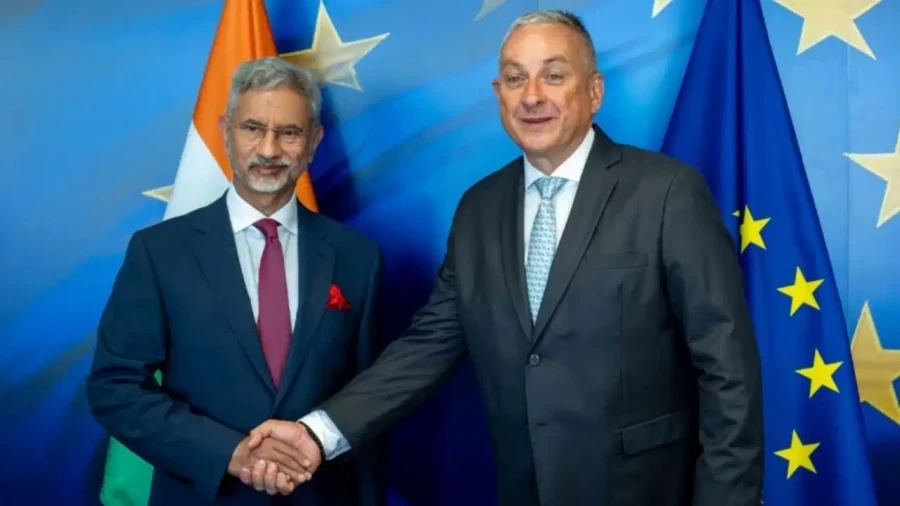
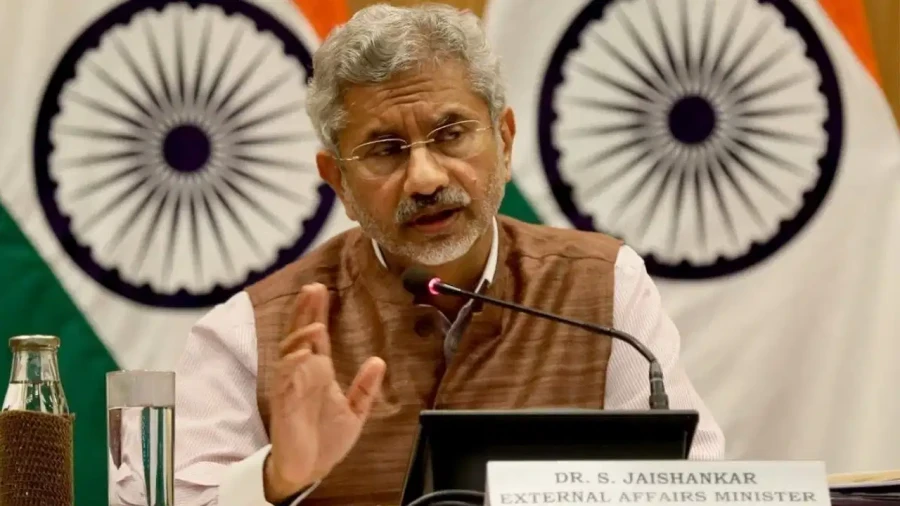
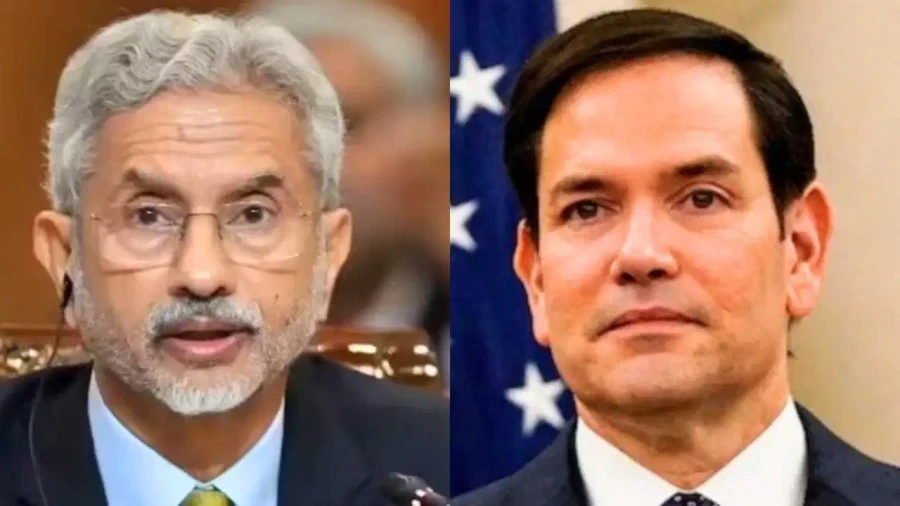
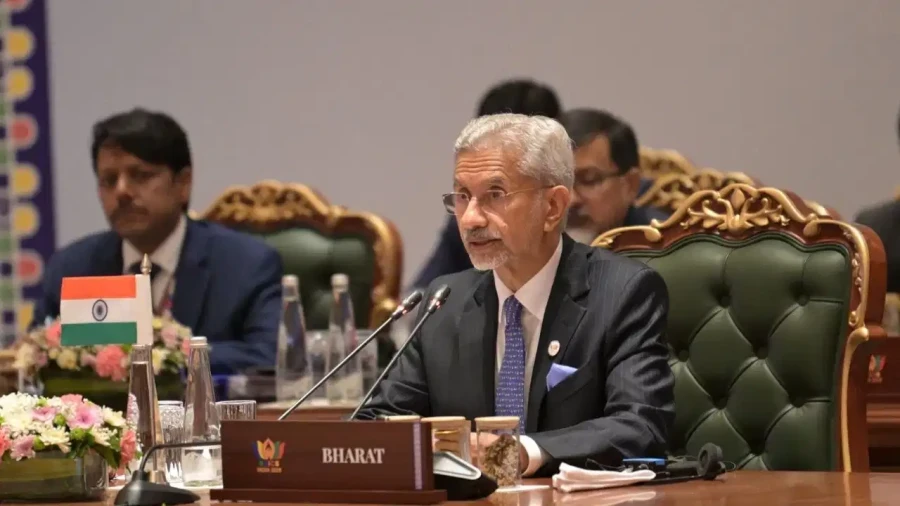
Inaugurating the BRICS Foreign Ministers' meeting in New Delhi, External Affairs Minister S, while jaishankar highlighted that the world is currently navigating through a period of profound geopolitical and economic flux. He emphasized that in such turbulent times, the expectations of emerging economies and developing nations from the BRICS bloc have intensified Importantly, while india sent a clear signal during the meeting on Thursday that military might or the imposition of sanctions can't be the sole solutions to the instability the world is facing today. The minister's address covered a wide array of global and regional issues, delivering several critical messages ranging from West Asia and terrorism to maritime security, the politics of sanctions, and United Nations reforms.
Maritime Security and the Crisis in West Asia
A primary focus of Jaishankar's statement was the volatile situation in West Asia, while he specifically mentioned the Strait of Hormuz and the Red Sea, pointing out that any disruption in these vital maritime corridors or threats to energy infrastructure could have a cascading effect on global economic stability. He stressed that ensuring a safe and unimpeded maritime flow is essential for the world at large, while this statement is particularly significant given the ongoing tensions in the Gulf region and the crisis involving Iran, which continue to be major points of international concern. India’s stance underscores the critical interconnectedness of regional security and global trade stability.
Humanitarian Concerns and Regional Instability
India also brought the issue of Gaza to the forefront of the BRICS discussion, asserting that the humanitarian crisis there can't be overlooked. Minister Jaishankar reiterated India's consistent support for a ceasefire, the provision of humanitarian access, and the long-standing two-state solution. Plus, by referencing the situations in Lebanon, Syria, Sudan, Yemen, and Libya, India aimed to convey that regional instability is no longer a localized geographical concern. Instead, these conflicts are exerting a tangible impact on both the global economy and international security frameworks, necessitating a more comprehensive and inclusive global response to prevent further escalation.
Opposition to Unilateral Sanctions and Terrorism
In a notable part of his address, Jaishankar delivered an indirect yet sharp critique of unilateral sanctions. He stated that punitive measures imposed in violation of international law and the United Nations Charter often end up causing the most harm to developing nations, while he argued that the politics of pressure can't serve as a substitute for genuine dialogue. This statement reflects India's ongoing discomfort with the policy of Western sanctions, while on the front of counter-terrorism, India maintained its firm and traditional stance. Jaishankar declared that cross-border terrorism is a fundamental violation of the core principles of international relations and insisted that 'zero tolerance' towards terrorism must become a universal standard in global governance.
The Urgency of United Nations Reforms
The External Affairs Minister made a strong case for the long-overdue reforms of the United Nations, particularly the Security Council (UNSC). He noted that the current global challenges are a clear indication that the existing multilateral system is weakening, making UNSC reform an unavoidable necessity. India has been a persistent advocate for permanent membership in the Security Council and continues to push this agenda on platforms like BRICS, while the central theme of the entire speech was that the world has entered an era of fragmented geopolitics, where conflict, energy security, economic pressures, technological inequality, and the climate crisis are deeply intertwined. India positioned itself as a nation advocating for dialogue, diplomacy, and an inclusive global order over confrontation.