
- India,
- 31-Aug-2026 05:44 PM IST



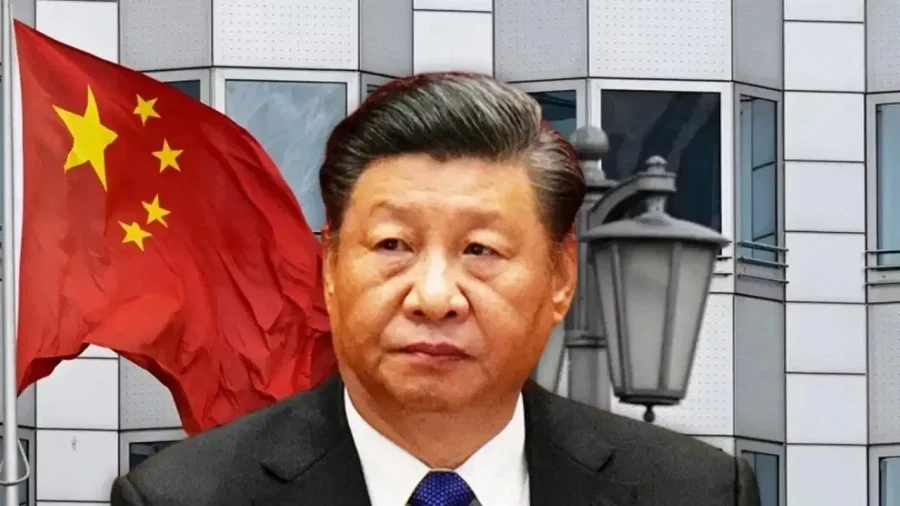
China has implemented a significant overhaul of its military regulations, marking a major shift in its defense policy and command structure. Under the newly issued rules, the Chinese military is now authorized to take retaliatory action against foreign entities without seeking prior approval from the President. This change grants the armed forces the power to take control of the entire nation during times of conflict, reflecting a more aggressive and streamlined stance in its military operations. The move is seen as a strategic preparation for potential escalations in regional conflicts.
New Deployment Rules and Strategic Autonomy
The Chinese government has issued updated guidelines regarding the deployment of its troops, fundamentally changing how the nation responds to external threats. According to these new regulations, the military no longer requires the President's explicit permission to launch retaliatory strikes against any country. Military officers at various levels are now empowered to make decisions regarding attacks based on their own assessment of the situation on the ground. This major policy shift comes amidst escalating tensions and the possibility of conflict with regional neighbors including Taiwan, Japan, and the Philippines, while state media reports indicate that these new laws will officially come into effect on October 1.
This marks the first time in 16 years that China has revised its laws concerning troop deployment. The new legal framework consists of 82 articles that provide a detailed breakdown of the roles and responsibilities of the President, the military chief, and the soldiers stationed on the front lines. The comprehensive nature of these articles suggests a deep restructuring of the command chain to ensure rapid response capabilities in an increasingly volatile geopolitical environment.
Bypassing Presidential Permission for Retaliation
The core of the new military deployment law is the removal of the requirement for presidential consent for retaliatory measures. Previously, the military was mandated to submit a detailed plan to the President for review. Only after receiving formal approval could the armed forces proceed with a counter-attack. Under the revised system, the military will initiate action on its own initiative and subsequently submit a report to the President and the legislature. However, the law specifies that for major issues, the Central Military Commission must still be kept in confidence to ensure strategic alignment and oversight.
Control Over Social Media and Information
The new regulations also extend the military's authority into the digital and social spheres, recognizing the importance of information warfare. During times of war, the Chinese government and the military will have the power to impose a total ban on social media platforms. Citizens will be prohibited from sharing any controversial or disputed posts that could undermine the military effort. The military has been granted the authority to label such posts as fake news and take direct action against the individuals involved. Also, the army will have the freedom to ban other social media platforms to prevent the spread of misinformation and maintain absolute control over the narrative during a conflict.
National Control and Recruitment Policies
While the military's powers have expanded Notably, China has decided not to change the age requirements for military recruitment at this time. However, the new rules introduce specific exemptions and mandates for national resources during periods of retaliation. The law states that individuals who are actively engaged in war relief and rescue operations can't be drafted into the military, ensuring that humanitarian and recovery efforts continue. On the other hand, when the military is engaged in retaliatory actions, it will have the legal right to enforce control over critical sectors across the entire country. This includes authority over:
- Transportation systems and logistics
- Telecommunications and information networks
- Energy production and distribution
- Healthcare services and medical facilities
- Food supplies and commercial trade
This total control mechanism is designed to streamline all national resources for the war effort and ensure national stability under direct military oversight during a crisis.