
- India,
- 12-Oct-2026 02:02 PM IST



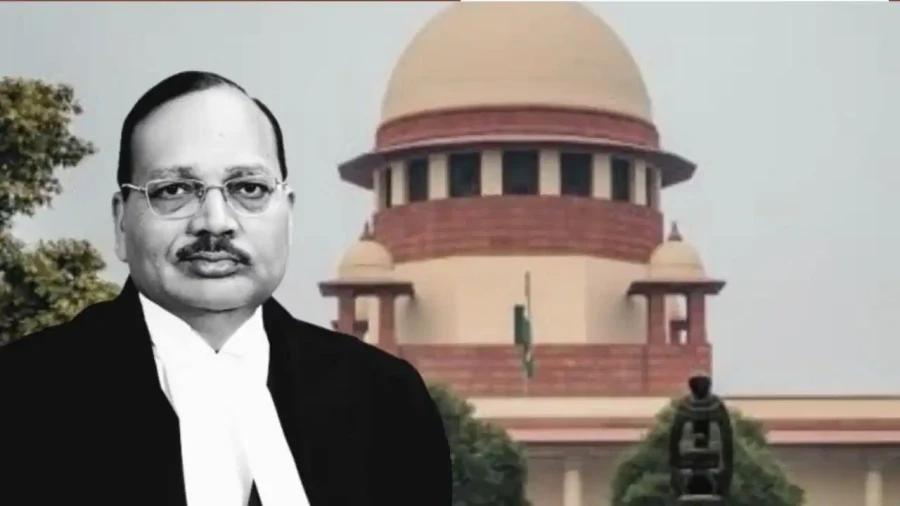
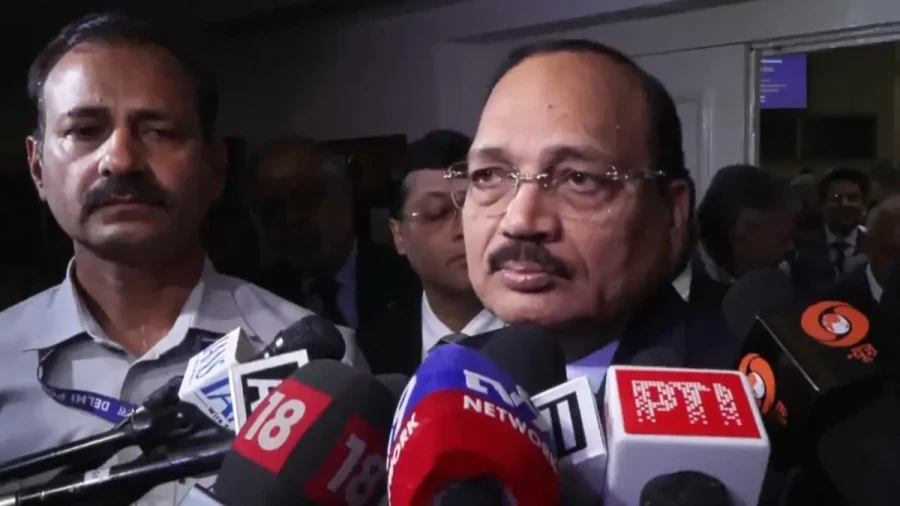
Chief Justice of India (CJI) Justice Suryakant addressed the media today ahead of the planned march by the Leader of the Opposition in the Lok Sabha, Rahul Gandhi, and other prominent leaders of the INDIA bloc towards the Supreme Court. The Chief Justice clarified that he had already provided a formal response to Rahul Gandhi regarding the specific reasons why a meeting couldn't take place at this juncture. Emphasizing the accessibility and transparency of the judiciary, CJI Suryakant stated that the doors of the Supreme Court remain open for every individual, highlighting the inclusive nature of the highest court in the country for all citizens and elected representatives alike.
CJI Clarifies Response to Meeting Request
The Chief Justice of India explained to the media that he had received a formal letter requesting a meeting yesterday. He noted that he had issued a detailed reply to this request on Sunday night itself, while in his response, Justice Suryakant outlined the specific reasons that prevented him from meeting the delegation led by the opposition leaders. The CJI was firm in his assertion that the Supreme Court is an institution where any citizen or member of an elected body is welcome to present their grievances through the proper legal channels. He stated, "I received a letter regarding the request for a meeting yesterday.
Judiciary Open to All Citizens
CJI Suryakant further elaborated on the role of the court, stating that the Supreme Court's doors are open to everyone. He emphasized that any petition from a common citizen or a member of an elected body is welcome. According to the Chief Justice, every Indian citizen possesses the fundamental right to knock on the doors of the court. He assured that the judiciary would listen to their concerns and take whatever action is appropriate under the law. This statement comes at a time when the opposition has been vocal about seeking judicial intervention in matters related to the electoral process.
Clarification on One Nation One Election JPC Meeting
Regarding the cancellation of the Supreme Court visit by the Joint Parliamentary Committee (JPC) on 'One Nation One Election', CJI Justice Suryakant provided a detailed explanation. He mentioned that there were comparatively more reasons involved in this particular matter. He explained that in the issue of the 'One Nation One Election' JPC meeting, there was a potential for a conflict of interest within the court. Due to this possibility, the court had to discuss the administrative aspects of the visit. The Chief Justice stated that it was the collective opinion of his senior judicial colleagues and himself that they should avoid any situation that could lead to a conflict of interest, thereby maintaining the neutrality of the judicial institution.
Reasons for Refusal to Meet Rahul Gandhi
Prior to the CJI's public statement, information from sources on late Sunday night indicated that CJI Suryakant had declined the meeting with Congress leader Rahul Gandhi regarding allegations of 'vote theft'. The refusal was reportedly based on the fact that such issues are already sub-judice and pending before the Supreme Court. The judiciary maintains a strict protocol regarding meeting political delegations on matters that are currently being litigated or are under the court's consideration to ensure the integrity of the judicial process.
Details of the Meeting Request and Memorandum
The Leader of the Opposition in the Lok Sabha, Rahul Gandhi, and the Leader of the Opposition in the Rajya Sabha, Mallikarjun Kharge, had written a formal letter to the Chief Justice of India. In this letter, they had requested a time for a meeting on Monday between 4 and 5 PM. The opposition leaders intended to submit a memorandum to the CJI. The memorandum contained several significant demands, including measures to stop 'vote theft', the resignation of Chief Election Commissioner (CEC) Gyanesh Kumar, the cessation of the Special Intensive Revision (SIR) of the electoral rolls, and a demand to return to the paper ballot system for elections. Despite the planned march and the request for a personal meeting, the CJI has maintained that the legal route remains the appropriate way to address these concerns.