
- India,
- 13-Aug-2026 08:32 PM IST



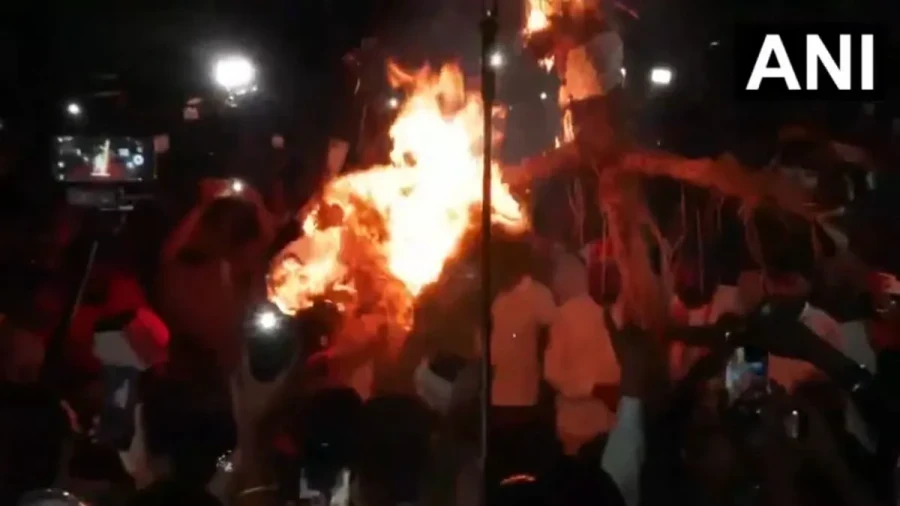
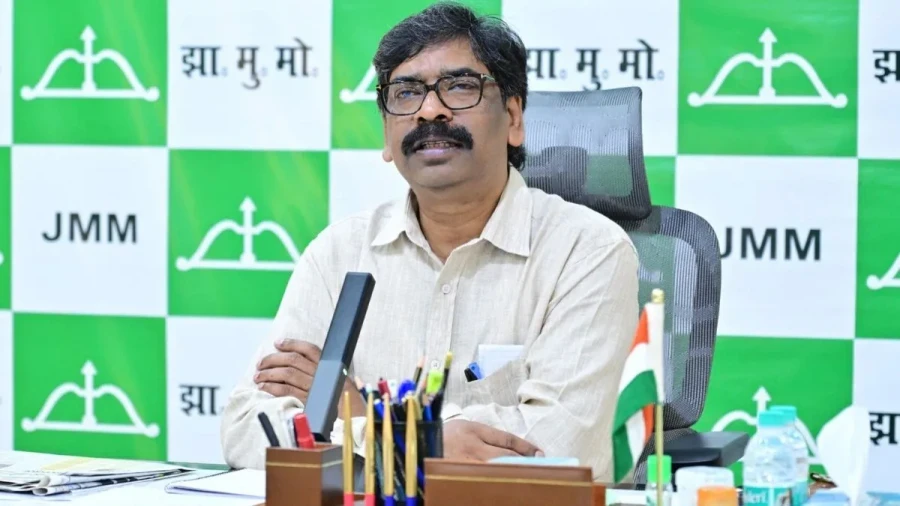
Jharkhand Chief Minister Hemant Soren has issued a stern warning to the Central Government regarding the Mines and Minerals (Development and Regulation) Amendment Bill, 2026. Amidst the ongoing controversies surrounding the JPSC-JSSC examinations in Ranchi, the Chief Minister has demanded the immediate withdrawal of this legislative amendment. Soren stated that if the bill isn't retracted, the people of Jharkhand will launch a protest of such magnitude that the entire nation will witness it. He emphasized that the state's resources and land belong to its people, questioning why decisions regarding their rights are being made in Delhi.
The Argument for State Rights
In a detailed post on the social media platform X, Chief Minister Hemant Soren expressed his deep concerns over the central government's actions. He questioned the authority of the central administration over the state's mineral wealth. Soren wrote that since the minerals and the land belong to Jharkhand, the decision-making power regarding these rights shouldn't reside in Delhi. He accused the central government of acting in haste by passing the Mines and Minerals (Development and Regulation) Amendment Bill, 2026, in both the Lok Sabha and the Rajya Sabha. According to the Chief Minister, this move is equivalent to cutting off the hands and feet of the state of Jharkhand, effectively paralyzing its ability to manage its own resources.
Impact on Social Welfare Schemes
The Chief Minister further elaborated on the potential negative consequences of what he termed a black bill. He described the legislation as an act of injustice against Jharkhand and its residents, calling it a major blow to their development and future, while soren highlighted that the state wouldn't tolerate this step-motherly treatment from the center. He warned that several critical social security schemes, which benefit millions of people in Jharkhand, are now on the verge of closure due to this bill. These include the Maiya Samman Yojana, the Abua Awas Yojana, various pension schemes, and essential services in the sectors of education and health. The Chief Minister suggested that the financial and administrative constraints imposed by the bill would make it impossible to sustain these welfare initiatives.
Threat of a Decisive Movement
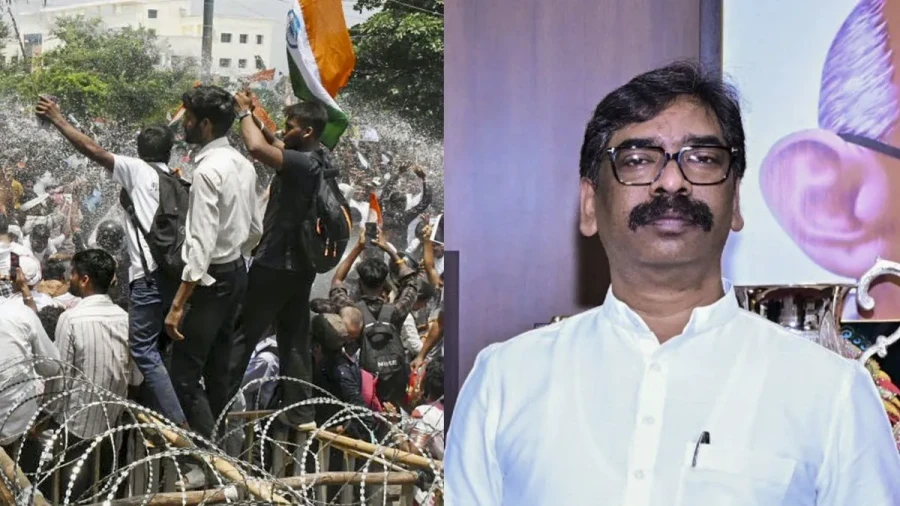
Hemant Soren made it clear that the Jharkhand Mukti Morcha (JMM) strongly opposes the amendment. He issued a direct ultimatum to the central government, stating that if the bill isn't withdrawn, a massive movement will be organized. This protest is planned to be comprehensive, reaching every corner of the state. Soren mentioned that the opposition would be visible in every district, every block, every panchayat, and every city. He warned that if the central government doesn't take heed and restore the rights of Jharkhand and its people, the state won't hesitate to take decisive and historical actions. He concluded his message with the slogans Hool Johar and Jai Jharkhand, signaling a call to action for the people.
Understanding the Amendment Bill 2026
The mining sector in India has traditionally been governed by the Mines and Minerals (Development and Regulation) Act, 1957. Under Section 2 of this original act, the central government maintained control over the regulation of mines and mineral development. The Mines and Minerals (Development and Regulation) Amendment Bill, 2026, seeks to modify this existing framework. The stated objective of the amendment is to create a uniform and balanced financial structure for the mineral sector across India. However, the bill includes provisions that prevent state governments from imposing any new taxes on mineral rights or mineral-bearing lands without adhering to the conditions or restrictions set by the central government. This specific provision was passed by both houses of Parliament in August, leading to the current friction between the state of Jharkhand and the central administration.