

- India,
- 17-Sep-2025 05:48 PM IST


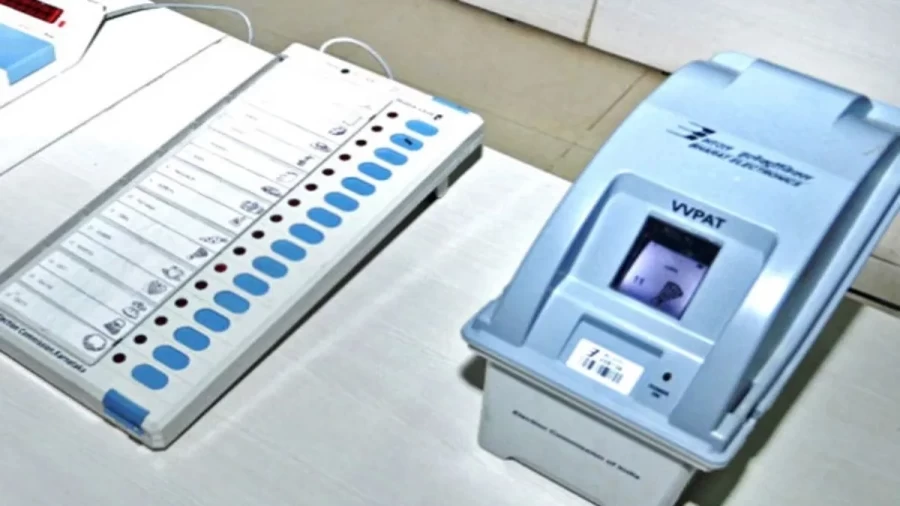
EC New Guidelines: With the upcoming assembly elections in Bihar in November 2025, the Election Commission of India (ECI) has made significant amendments to EVM ballot papers to make them clearer and more readable. Under this new guideline, color photographs of candidates will appear on the ballot papers for the first time, helping to simplify and make the election process more transparent for voters. This change will be implemented starting with the Bihar elections, serving as a pilot project and paving the way for other states.
This initiative by the ECI aims to further streamline the electoral process. Over the past six months, the Commission has implemented a total of 28 new initiatives to enhance voter convenience and ensure transparency in elections. The new guidelines, issued under Rule 49B of the Conduct of Elections Rules, 1961, include several technical changes to the design and printing of ballot papers.
What are the changes to ballot papers?
Election ballot papers will now feature color photographs of candidates, with each candidate's face covering three-quarters of the photo. This will allow voters to easily identify candidates, especially in areas with low literacy rates. Furthermore, serial numbers have been given greater prominence. Candidates and the 'NOTA' (None of the Above) option will now be printed in International Indian Numerals, with a font size of 30, and in bold.
The names of all candidates will be printed in the same font type and in a sufficiently large size to ensure readability. Ballot papers will be printed on 70 GSM quality paper. For the Assembly elections, specially designed pink paper with RGB values will be used to ensure uniformity.
These changes will not only enhance voter convenience but also reduce errors in the electoral process. Experts believe that color images and prominent serial numbers will increase voting speed and reduce the likelihood of incorrect votes being cast.
Starting with Bihar, then expanding nationwide
The ECI has clarified that these advanced EVM ballot papers will be used in the upcoming elections, beginning with the Bihar Assembly elections. Bihar, a politically sensitive state, will be an ideal platform for this experiment. If successful, it will be gradually implemented in other states.
A senior Election Commission official said, "These amendments are a step towards empowering voters. Our goal is to ensure every vote is cast correctly and elections are fair." Bihar has approximately 70 million voters, and this new system could transform the experience of millions in the November elections.
A Link in a Chain of Electoral Reforms
This initiative by the ECI is part of other initiatives over the past few months, such as digital voter ID, online enrollment process, and improved facilities at polling stations. These changes will not only speed up elections but also ensure the strengthening of democracy. Voters in Bihar are welcoming this new system, which modernizes the traditional ballot paper.
As the election dates approach, all parties are intensifying their strategies. However, this move by the ECI makes it clear that the Commission is emphasizing voter-centric reforms. The Bihar elections will not only impact the state's politics but also set a precedent for the entire country. # Bihar Assembly Elections 2025: EVM ballot papers to feature color photographs and prominent serial numbers, ECI's new initiative
New Delhi: The Election Commission of India (ECI) has taken a significant step to enhance voter convenience and transparency in the upcoming elections. The ECI has amended the guidelines related to the design and printing of EVM ballot papers under Rule 49B of the Conduct of Elections Rules, 1961. These changes will be implemented starting with the Bihar Assembly elections, likely to be held in October or November 2025. These amendments focus on making ballot papers more readable and clear, making it easier for voters to identify candidates.
What changes will be made to EVM ballot papers?
According to the new guidelines, color photographs of candidates will now be displayed on EVM ballot papers. Previously, the photographs were black and white, but now they will be in color, and the candidate's face will cover three-quarters of the photograph. This will help voters more easily identify candidates, especially in areas with low literacy rates.
Furthermore, the serial numbers of candidates and NOTA (None of the Above) will be given greater prominence. These numbers will be printed in international Indian numerals, with a font size of 30, and in bold. The names of all candidates will be printed in the same font type and in a sufficiently large size to ensure easy reading.
Attention has also been paid to the quality of the ballot papers. They will now be printed on 70 GSM paper, and pink paper with specified RGB values will be used for assembly elections. This change is an effort to make the electoral process more uniform and reliable.
Why start with Bihar?
The ECI has clarified that these advanced EVM ballots will be used first in the Bihar Assembly elections. Elections for the 243-seat Bihar Assembly are expected to be held in October or November, and political parties are already engaged in seat-sharing discussions. For example, Congress may contest 60 seats, while Tejashwi Yadav's RJD is claiming all 243. This initiative by the ECI is part of 28 initiatives taken over the past six months to improve the electoral process.
Electoral Transparency and Opposition Concerns
This change comes at a time when the credibility of EVMs is being debated. Opposition parties, such as the Congress, have been alleging EVM manipulation, and recently Congress President Mallikarjun Kharge even called the ECI "the BJP's back office." However, the ECI has conducted public demos to demonstrate the security and functionality of EVMs, and claims these new guidelines will further strengthen transparency.
Overall, this initiative by the ECI is a positive step toward empowering voters and making the electoral process more user-friendly. Following the Bihar elections, these changes will be implemented in other states, further strengthening Indian democracy.
