

- India,
- 27-Feb-2026 05:52 PM IST


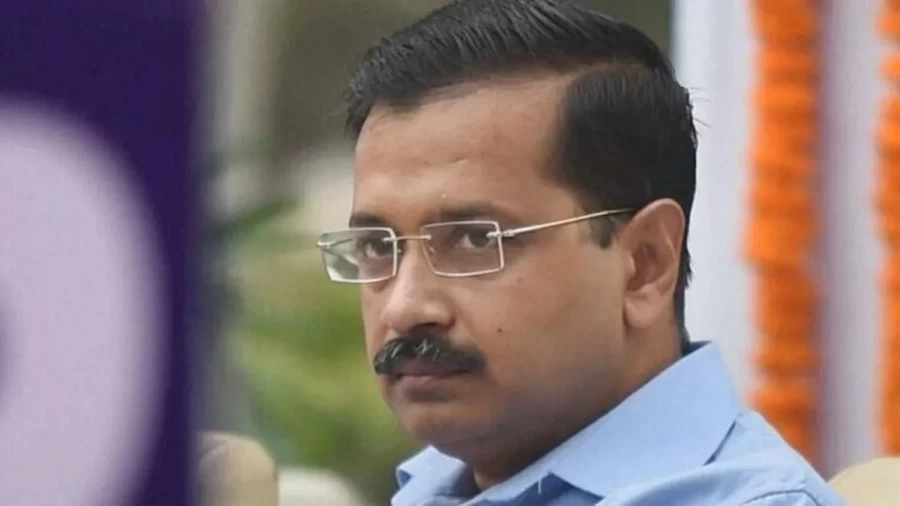
The Central Bureau of Investigation (CBI) has filed an appeal in the Delhi High Court challenging the acquittal of Delhi Chief Minister Arvind Kejriwal, former Deputy CM Manish Sisodia, and 21 others in the alleged excise policy corruption case. This legal move follows a recent order by the Rouse Avenue Court, which discharged all accused individuals, stating that the prosecution failed to provide sufficient evidence to establish a prima facie case. The CBI's petition seeks to set aside the lower court's judgment, arguing that the findings were erroneous and overlooked critical aspects of the investigation.
Lower Court's Observations and Reprimand to CBI
Special Judge Jitendra Singh of the Rouse Avenue Court had acquitted all 23 accused, including top leaders of the Aam Aadmi Party (AAP). In a detailed judgment, the court observed that there was no evidence of a broad conspiracy or criminal intent in the formulation and implementation of the now-scrapped Delhi Excise Policy 2021-22. During the proceedings, the judge criticized the CBI for its failure to produce essential documents, including confessional statements and a definitive list of star witnesses. The court remarked that despite repeated requests, the agency didn't provide the necessary materials alongside the chargesheet, leading to the conclusion that the case lacked merit for trial.
Judicial Scrutiny of Evidence and Agency Conduct
The Special Judge expressed significant displeasure over the CBI's handling of the case, noting that the court expects honesty and transparency from the investigating agency. The court highlighted that while the agency claimed to have provided information in sealed covers, the actual confessional statements weren't made available to the bench for review. The judge stated that after a thorough examination of the files, it appeared that the allegations of a criminal conspiracy didn't hold weight. The court emphasized that a trial can't proceed based on mere assertions without corroborative evidence, especially when the fundamental elements of a crime aren't demonstrated in the chargesheet.
Arvind Kejriwal's Allegations of Political Conspiracy
Following his acquittal by the lower court, Arvind Kejriwal held a press conference where he launched a scathing attack on the Central Government. Kejriwal alleged that the Enforcement Directorate (ED) and the CBI were being used as tools for political vendetta over the past four years. He characterized the entire liquor scam investigation as a "fake case" orchestrated by Prime Minister Narendra Modi and Home Minister Amit Shah. Kejriwal demanded an apology from the national leadership, asserting that the court's decision vindicated the AAP's stand on honesty. He maintained that the case was designed to damage the party's reputation as they couldn't be defeated electorally.
BJP's Stance and Reaction from Manoj Tiwari
The Bharatiya Janata Party (BJP) has reacted strongly to the development, supporting the CBI's decision to move the High Court. BJP MP Manoj Tiwari stated that the lower court's decision is part of a multi-layered legal process and isn't the final word, while he expressed confidence that the higher judiciary would take cognizance of the alleged irregularities in the excise policy. Tiwari dismissed Kejriwal's claims of a conspiracy as "emotional drama," asserting that those involved in corruption would eventually face justice. The BJP maintains that the policy changes led to significant losses for the state exchequer and benefited a specific group of liquor distributors.
Background and Timeline of the Excise Policy Case
K, while saxena recommended a CBI probe into alleged procedural lapses and financial irregularities. The policy was subsequently withdrawn by the Delhi government. The CBI and ED alleged that the policy was modified to grant undue favors to private liquor entities in exchange for kickbacks. Arvind Kejriwal was arrested in March 2024 and spent several months in custody before being granted bail and eventually acquitted by the trial court. The upcoming hearing in the Delhi High Court will determine the future course of this high-profile legal battle.
