

- India,
- 14-Dec-2025 09:24 AM IST


The national capital Delhi and its surrounding National Capital Region (NCR) are. Currently experiencing a relentless onslaught of air pollution, severely impacting daily life. Amidst biting cold and dense fog, the pollution levels have escalated Importantly, exacerbating an already critical situation. This dual challenge poses a formidable threat to the residents of Delhi-NCR, affecting everything from breathing to commuting, creating widespread discomfort and health concerns across the region.
Alarming Air Quality Levels
According to data released by the Central Pollution Control Board (CPCB), the average Air Quality Index (AQI) in Delhi reached an alarming 464 on Sunday morning, categorizing it as 'severe+', while this level is considered extremely hazardous to health, with prolonged exposure potentially leading to serious respiratory and other health complications. Several areas within Delhi reported even worse conditions, with AQI readings soaring past 480-490. For instance, localities such as Anand Vihar, Bawana, and Chandni Chowk recorded alarming figures, with Anand Vihar's AQI hitting 491, firmly placing it in the 'severe' category. These areas have been enveloped in a toxic haze since morning, underscoring the pervasive and intense nature of the pollution crisis.
Immediate GRAP-4 Measures Implemented
In response to the rapid deterioration of air quality, the Commission for Air Quality Management (CAQM) has immediately implemented all necessary actions under Stage-IV of the Graded Response Action Plan (GRAP) across Delhi-NCR. These stringent restrictions are aimed at curbing pollution levels and safeguarding citizens from its severe health impacts. Under GRAP-4, offices have been encouraged to adopt a work-from-home policy to reduce vehicular traffic and consequently, air pollution. Also, a complete ban has been imposed on all construction activities, as dust and particulate matter generated from such operations Notably contribute to air pollution. While these measures are expected to impact daily routines and economic activities, they're deemed crucial given the escalating air quality crisis.
Roads Choked by Fog and Smog
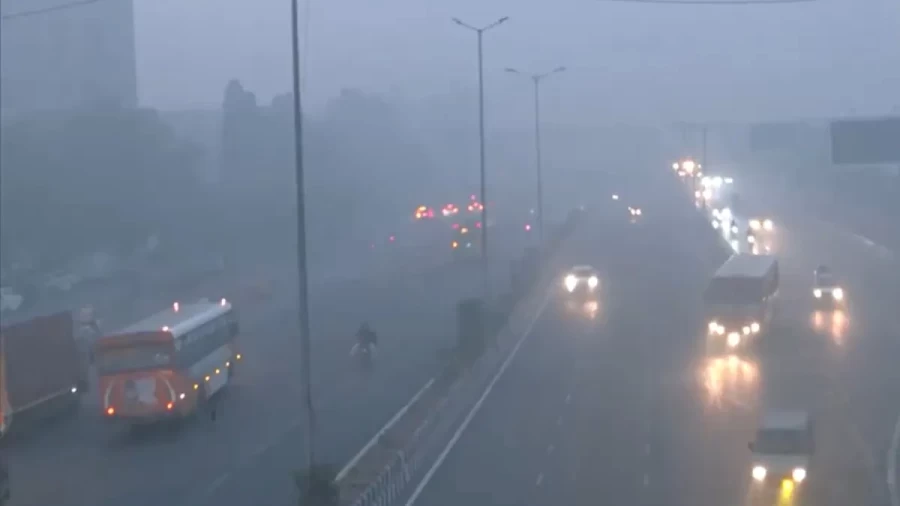
Dense fog in Delhi during the early morning hours has created extremely hazardous conditions. Visibility has been severely reduced, causing vehicles to crawl on the roads, while the Delhi-Meerut Highway, for example, witnessed slow-moving traffic, leading to significant congestion and delays. The combination of dense fog and severe pollution has created an invisible barrier on the roads, making driving exceedingly difficult and increasing the risk of accidents. This situation not only causes inconvenience for commuters but also results in wasted time and economic losses due to prolonged travel durations and disrupted schedules.
The CAQM implemented Stage-4 of the Graded Response Action Plan (GRAP) on Saturday evening with immediate effect, while this decision followed an unexpected and rapid decline in air quality. Notably, GRAP-4 was enforced just hours after GRAP-3 had been implemented on the same day, highlighting the extreme urgency and severity of the situation, while on Saturday, the AQI rapidly jumped from 431 to 441 and then to 460, prompting authorities to take immediate and decisive action. The primary reasons cited for this sharp increase include slow wind speeds, a stable atmospheric condition, and adverse weather patterns that. Prevent the dispersion of dust particles and pollutants, leading to their accumulation and a continuous rise in smog and pollution levels.
Widespread Impact on Public Life
The double assault of pollution and fog in Delhi-NCR is causing significant difficulties for residents. Breathing difficulties, eye irritation, and other health-related issues have become common, especially for children, the elderly, and individuals with pre-existing respiratory conditions, for whom the situation is even more challenging, while while the work-from-home directive and the ban on construction activities aim to mitigate pollution, they simultaneously disrupt normal daily life and economic activities. Slow-moving traffic and poor visibility on roads have extended commute times, forcing people to spend more time reaching their destinations. This situation presents a severe health and social crisis for the residents of Delhi-NCR, necessitating immediate and effective measures to address the deteriorating environmental conditions and protect public well-being.
