

- India,
- 31-Dec-2025 05:39 PM IST


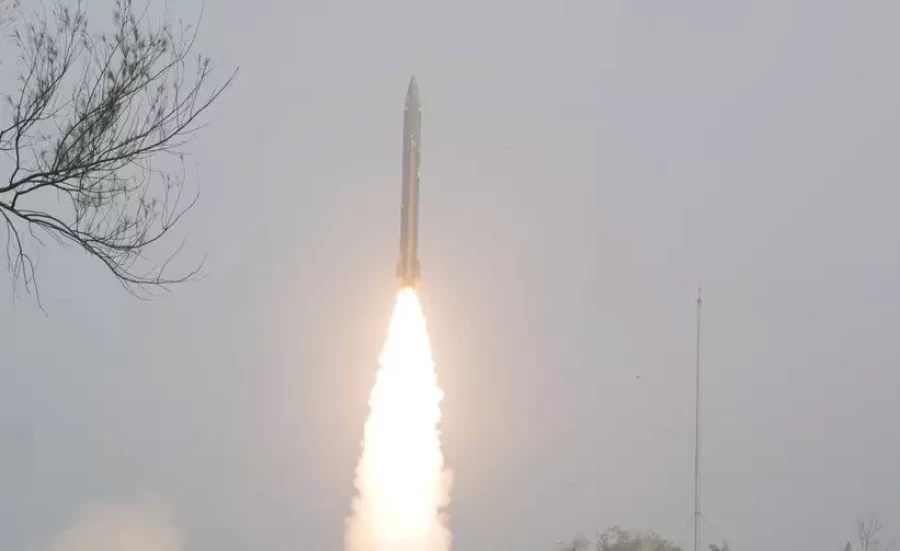
The Defence Research and Development Organisation (DRDO) achieved a significant strategic milestone on the last day. Of the year, December 31, by successfully conducting a salvo test of the indigenously developed 'Pralay' missile. This test, carried out from the Integrated Test Range (ITR) off the coast of Odisha, has added a new dimension to India's defense capabilities, potentially causing apprehension among adversary nations. This successful trial marks a crucial achievement for the Indian Army, symbolizing the nation's self-reliance and growing military prowess. This wasn't a routine launch but a 'salvo launch,' which means firing two or more missiles in quick succession from the same launcher. On Wednesday morning, at approximately 10:30 AM, two 'Pralay' missiles were successfully launched one after the other, while this successful salvo test has unequivocally demonstrated India's capability to effectively destroy multiple targets simultaneously in a combat scenario. This capability poses a serious challenge to any potential adversary, as it would compel them to react on multiple fronts concurrently, complicating their defensive strategies and resource allocation.
Successful Completion and Confirmation of Trial
During the test, both missiles meticulously followed their predetermined trajectories and successfully met all flight objectives. This precision and reliability stand as a testament to the advanced technology and engineering embedded within the 'Pralay' missile system, while the trial was a critical component of the Indian Army's 'User Evaluation Trial,' which serves to confirm the missile's operational readiness and its effectiveness in a wartime situation. Tracking sensors located at Chandipur and telemetry systems installed on ships positioned near the impact point confirmed the precise strike capability of the missiles, ensuring that they're capable of accurately hitting their intended targets with high confidence.
Unique Features of the 'Pralay' Missile
The 'Pralay' missile is entirely indigenous, representing a significant stride towards India's defense self-reliance and reducing dependence on foreign suppliers. It operates on solid fuel, which enables rapid deployment and quick launch capabilities, crucial for swift response in dynamic combat environments, while with the aid of advanced navigation systems, it's capable of extremely accurate targeting, allowing for the precise destruction of critical enemy installations. This missile is India's first indigenous tactical quasi-ballistic missile, specifically designed for deployment along the Line of Actual Control (LAC) and the Line of Control (LoC). This particular characteristic makes it a potent instrument for responding. To any aggressive actions in border regions, providing a strong deterrent.
Strike Range and Strategic Importance
The 'Pralay' missile can destroy enemy targets at a range of 150 to 500 kilometers, enabling it to target objectives located deep within strategic territories. This missile is capable of carrying a warhead weighing between 500 kg and 1000 kg, making it versatile for various types of missions, from conventional strikes to specialized operations. Its most significant feature is its ability to change its trajectory mid-air. This unique capability makes it almost impossible for enemy air defense systems to intercept and counter, thereby making 'Pralay' an extremely effective and lethal weapon, while this maneuverability provides India with a significant tactical advantage in any potential conflict, enhancing its offensive and deterrent capabilities.
India's Growing Military Strength
The successful salvo test of the 'Pralay' missile is a clear demonstration of India's burgeoning military strength and technological prowess. It not only fortifies the nation's defense capabilities but also strengthens India's position on the global stage as a formidable military power. By emphasizing indigenous development, India is reducing its external dependence for defense needs and emerging as a strong, self-reliant nation. This achievement at the close of 2025 is a significant success for India, which will further. Bolster the country's defense strategy in the years to come, ensuring national security and regional stability.
