
- India,
- 19-Jun-2026 05:10 PM IST



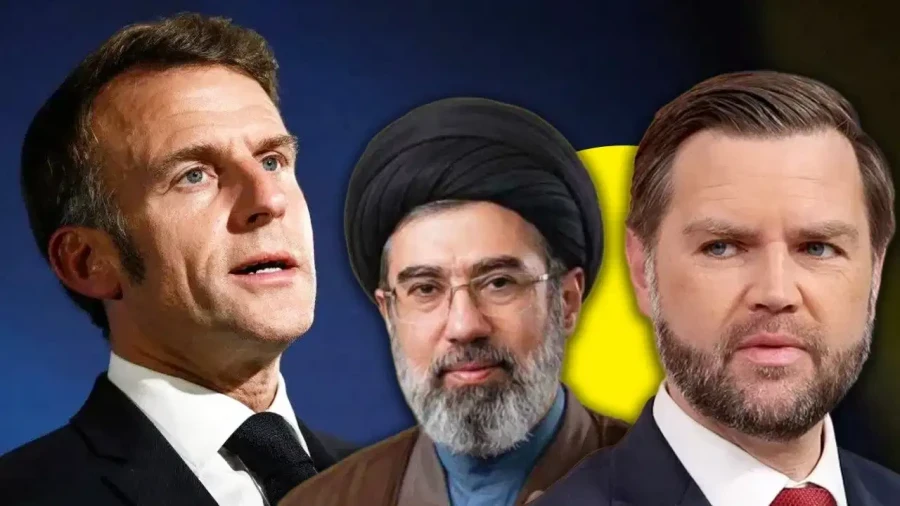
The diplomatic landscape surrounding the potential agreement between Iran and the United States has encountered a significant new obstacle as France joins Israel in expressing strong reservations. French Foreign Minister Jean-Noël Barrot has formally stated that France will oppose the deal unless critical issues regarding Iran's proxy networks and missile manufacturing are integrated into the negotiations. This development adds a layer of complexity to the international efforts aimed at reaching a temporary settlement, as France holds a pivotal position as a permanent member of the United Nations Security Council.
France's Strategic Demands and Veto Threat
Foreign Minister Jean-Noël Barrot emphasized that for any deal to be considered valid, it must meet the satisfaction of the French government. In a bold assertion of France's influence, Barrot remarked that not even a leaf can move within the United Nations without France's involvement. He insisted that France must be an active participant in the deal-making process to ensure that its specific concerns aren't overlooked. The minister warned that if a proposal is brought before the UN to lift sanctions against Iran as a form of relief, France will actively oppose it unless their conditions are met.
The core of France's demand lies in the scope of the discussions. Speaking to the news agency Fransco, Barrot argued that large-scale negotiations are essential for achieving lasting peace in the Middle East. According to the French perspective, regional stability can't be attained as long as the issues of Iran's ballistic missile program and its support for various proxy organizations are excluded from the dialogue between the United States and Iran. Barrot stated that France's inclusion is necessary to ensure the talks are conducted in a fair and comprehensive manner.
The Significance of the French Opposition
The weight of France's opposition is particularly significant due to its status as a permanent member of the UN Security Council. Under the proposed deal, the United States had reportedly assured Iran that existing UN sanctions would be lifted, allowing Iran to engage in open trade and regain access to international banking systems. However, Barrot has made it clear that France is prepared to exercise its veto power. Since the use of a veto by any single permanent member can block a resolution, France's stance creates a formidable barrier to the removal of sanctions, which is a primary incentive for Iran in these negotiations.
This diplomatic friction comes at a sensitive time, while peace talks that were scheduled to take place in Switzerland between US and Iranian officials have already been canceled. The cancellation was a direct result of Israeli attacks on Lebanon, which had already strained the atmosphere. With Israel already acting as a major hurdle, France's new conditions further jeopardize the possibility of a breakthrough.
The American Perspective and Trump's Stance
Amidst these rising tensions, US President Donald Trump has offered a different perspective on the matter of Iran's military capabilities. When questioned about why restrictions weren't being placed on Iran's missile construction, Trump defended the decision by framing it as a matter of regional balance and national sovereignty, while he stated, "It would be unfair. Iran's neighboring countries, such as Saudi Arabia and Turkey, also possess weapons.
President Trump further elaborated on his view by suggesting that Iran doesn't currently possess ballistic missiles in the way some fear. He remarked, "As of now, Iran doesn't have any ballistic missiles. If they want to build them, let them, while I've no problem with that. " This stance highlights a significant divergence in priorities between the US administration and its European ally, France, regarding how to handle Iran's regional influence and military development.