
- India,
- 15-May-2026 09:46 AM IST



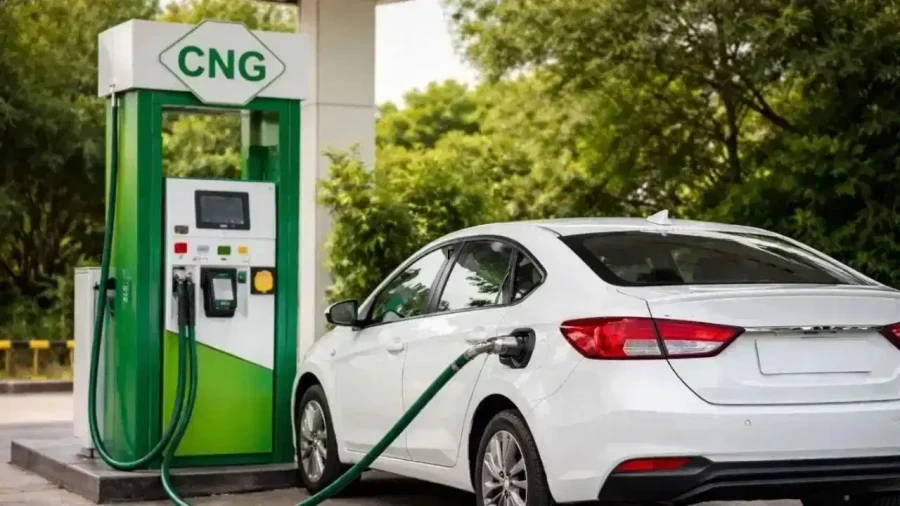
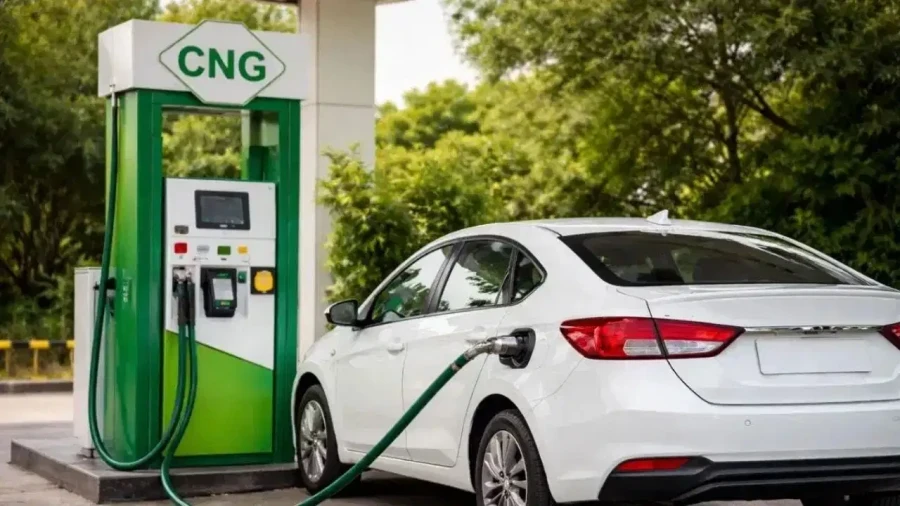
Amidst the escalating tensions in the Middle East, the common man has been dealt another significant blow as fuel prices continue to surge, while following a recent hike in petrol and diesel prices, the cost of Compressed Natural Gas (CNG) has also been increased. According to the latest updates, CNG prices have seen a rise of ₹2 per kilogram. This development comes shortly after petrol and diesel prices were hiked by ₹3 per liter, further straining the household budgets of citizens across the country. 09 per kilogram following this latest revision.
New CNG Rates in the National Capital and Mumbai
In the national capital, Delhi, the impact of this price hike is now visible at the fuel stations. 09 per kilogram. Prior to the price revision in Delhi, Mumbai had already witnessed an increase in CNG rates on Thursday. Mahanagar Gas Limited (MGL), the primary supplier in the region, announced a hike of ₹2 per kilogram in the price of CNG. With the implementation of these new rates, CNG is now being sold at ₹84 per kilogram in Mumbai, Thane, Navi Mumbai, and other parts of the Mumbai Metropolitan Region (MMR). Previously, consumers in these areas were paying ₹82 per kilogram for the fuel.
Demands for Fare Hikes by Transport Unions
The increase in CNG prices has triggered immediate reactions from transport unions, particularly in Mumbai, while following the ₹2 per kg hike, various auto-rickshaw organizations have approached the administration with demands for a fare revision. These unions are seeking an increase of at least ₹1 in the minimum fare for auto-rickshaws. Union leaders have expressed that operating vehicles under the current fare structure has become economically unviable due to the rising costs of fuel and maintenance. Now that CNG prices have increased in Delhi as well, it's expected to directly impact cab drivers and other commercial vehicle operators.
Broader Economic Impact and Transport Costs
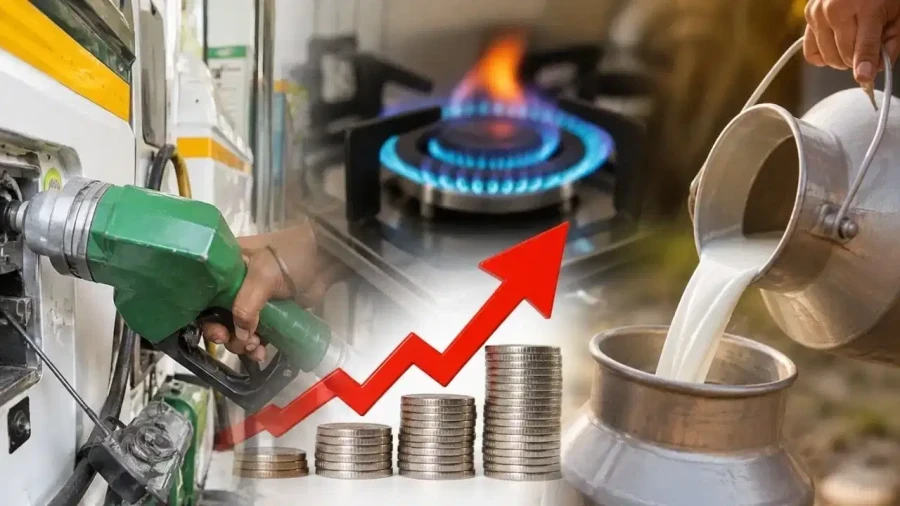
The ripple effect of the CNG price hike is expected to be felt in Delhi as well, where cab drivers and auto operators are likely to face the brunt of the increased costs, while there is a strong possibility of an upward revision in auto and taxi fares in the capital. On top of that, since CNG is extensively used in delivery services and the transportation of goods, the overall cost of logistics and transport is expected to rise. This could lead to a direct impact on the prices of essential commodities for the general public, hitting the pockets of the common man directly.
The cumulative effect of rising petrol, diesel, and now CNG prices is set to increase the financial burden on the common man. As delivery and transport costs climb, the inflationary pressure is likely to manifest in various sectors of the economy. The situation remains critical as the Middle East tensions continue to influence global energy markets, leading to these domestic price adjustments.